

Introduction to Indonesia’s Logistics Landscape
As the world’s largest archipelago, comprising over 17,000 islands, Indonesia faces a unique set of logistical challenges and opportunities. The nation’s logistics infrastructure and shipping ports are the critical arteries that keep its economy pulsating, facilitating both domestic trade and massive international exports. Over the past decade, the Indonesian government has recognized the urgent need to modernize its logistical framework to reduce high supply chain costs, improve connectivity, and boost global competitiveness.
Historically, Indonesia’s logistics costs have been among the highest in Southeast Asia, often accounting for nearly a quarter of the country’s Gross Domestic Product (GDP). However, ambitious government programs, such as the Global Maritime Fulcrum and the Sea Toll Road (Tol Laut) initiative, have been implemented to transform the maritime infrastructure. These programs aim to establish highly efficient shipping routes and upgrade major ports across the archipelago, ensuring that goods can move swiftly from the industrialized western islands to the resource-rich, yet less developed, eastern regions.
The Core of Indonesia’s Logistics Infrastructure
Indonesia’s logistics infrastructure is heavily reliant on maritime transport, though road and rail networks on major islands like Java and Sumatra play an indispensable supporting role. The integration of these networks is vital for a seamless multimodal logistics system.
The Sea Toll Road Initiative
The Sea Toll Road (Tol Laut) is not a physical road, but rather a conceptual network of scheduled, subsidized shipping routes designed to connect the western and eastern parts of Indonesia. By guaranteeing regular vessel schedules and subsidizing freight costs, the government aims to reduce price disparities of essential goods across different islands. This initiative has spurred the development of numerous smaller feeder ports, integrating them into the national and international supply chain.
Inland Connectivity
While the ports are the gateways, inland connectivity remains a significant focus. The construction of the Trans-Java and Trans-Sumatra toll roads has drastically reduced inland transit times, allowing container trucks to move cargo from factories to ports with unprecedented speed. Furthermore, rail links connecting dry ports (such as the Cikarang Dry Port in West Java) directly to major seaports are helping to alleviate the severe traffic congestion that historically plagued port access roads.
Major Shipping Ports in Indonesia
Indonesia’s international trade is anchored by several mega-ports, each serving as a crucial hub for different geographic regions and commodity types. Below is an overview of the primary shipping ports driving the country’s economy.
1. Port of Tanjung Priok (Jakarta)
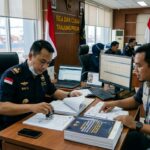
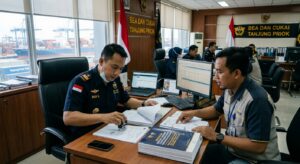
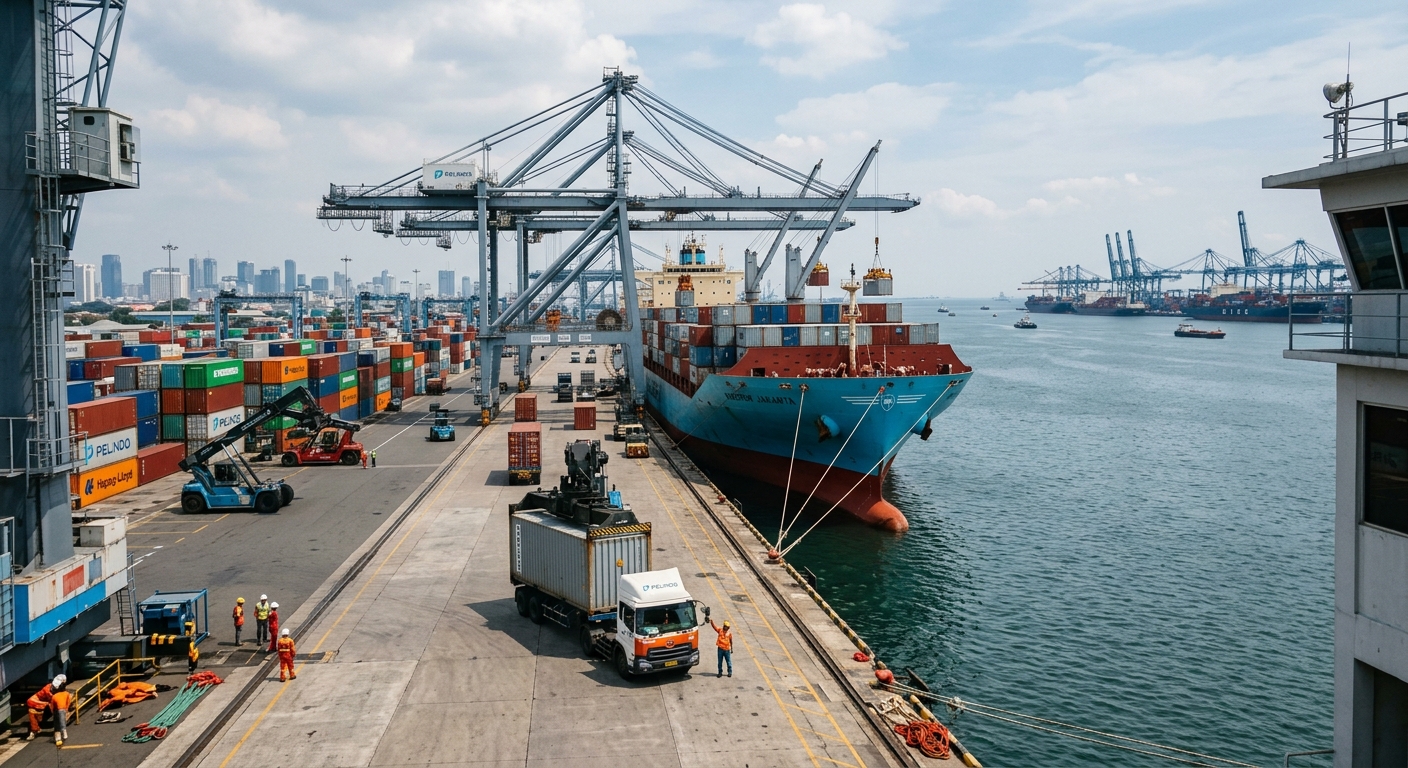
Located in the nation’s capital, Tanjung Priok is Indonesia’s busiest and most advanced seaport, handling over 50% of the country’s international cargo. The port has undergone massive expansions, most notably the Kalibaru Terminal (New Priok Port) project, which significantly increased its container handling capacity and allows it to accommodate massive New Panamax vessels. Tanjung Priok serves as the primary gateway for manufactured goods, electronics, and automotive exports.
2. Port of Tanjung Perak (Surabaya)
Situated in East Java, Tanjung Perak is the second-largest port in Indonesia and the central hub for inter-island shipping, connecting Java to Kalimantan, Sulawesi, and the eastern archipelago. The development of the automated Teluk Lamong Terminal has modernized Tanjung Perak, focusing on eco-friendly operations and high-efficiency container handling. It is a vital exit point for agricultural products, timber, and consumer goods.
3. Port of Belawan (Medan)
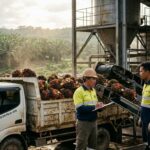
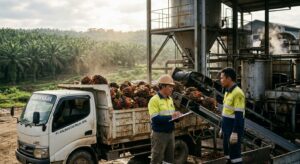
As the largest seaport in Sumatra, Belawan is strategically positioned on the Strait of Malacca, one of the world’s busiest shipping lanes. Belawan is the premier export hub for Indonesia’s vast plantation commodities, particularly palm oil and rubber. When dealing with agricultural exports, logistics costs must be carefully calculated alongside local regulations. For exporters navigating these waters, Understanding the Indonesia Palm Oil Export Tax Structure is crucial to maintaining profitability amidst shifting infrastructure costs and government policies.
4. Port of Makassar (South Sulawesi)
The Port of Makassar is the primary gateway to Eastern Indonesia. Its expansion, particularly the Makassar New Port project, aims to consolidate cargo from the eastern islands—such as spices, cocoa, and mining products—and route them directly to international markets without needing to transit through Java. This direct routing drastically cuts down logistical costs and transit times.
Comparing the Major Ports
To better understand the scale and focus of these ports, the following table highlights their primary functions and regional importance:
| Port Name | Location | Primary Function | Key Exports |
|---|---|---|---|
| Tanjung Priok | Jakarta, Java | Main International Hub | Manufactured goods, automotive, electronics |
| Tanjung Perak | Surabaya, Java | Domestic Hub & Eastern Gateway | Agriculture, timber, consumer goods |
| Belawan | Medan, Sumatra | Western Gateway | Palm oil, rubber, coffee |
| Makassar | Makassar, Sulawesi | Eastern Hub | Cocoa, spices, mining commodities |
The Intersection of Logistics and Niche Export Commodities
Indonesia is a global leader in various niche agricultural and manufactured exports, and the efficiency of its logistics infrastructure directly impacts the viability of these industries. Specialized commodities require tailored logistical handling, from the factory floor to the shipping container.
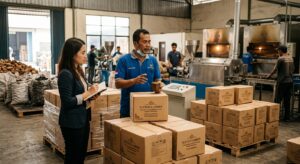
For instance, the export of coconut charcoal briquettes requires careful attention to packaging to optimize container space and ensure the product survives long sea voyages. Exporters of briquettes often need specialized solutions before their goods even reach the port. If you are operating within this lucrative niche, reviewing Custom Packaging Coconut Charcoal OEM: A Comprehensive Guide will help you understand how strategic packaging directly impacts container loading efficiency and overall logistics costs.
Similarly, bulk agricultural shipments like growing mediums necessitate streamlined port processes to prevent moisture damage and contamination. Delays at the port can degrade the quality of sensitive agricultural products. Buyers and distributors interested in this sector should consult The Ultimate Guide to Cocopeat Low EC Bulk Orders for Commercial Agriculture to see how efficient domestic logistics and fast port clearance tie directly into final product quality.
Future Outlook: Trade Agreements and Infrastructure Growth
The ongoing development of Indonesia’s logistics infrastructure is deeply intertwined with its international trade ambitions. As the country secures new free trade agreements, the volume of cargo passing through its ports is expected to surge, demanding even greater efficiency and expansion.
A prime example of this is the impending impact of comprehensive economic partnership agreements with major global markets. These policies are set to enhance shipping volumes significantly. For instance, Maximizing Your Supply Chain: IEU CEPA Trade Agreement Benefits for Buyers details how European and international buyers can leverage reduced tariffs. To support this anticipated increase in trade volume, Indonesian ports are rapidly adopting digital port management systems, automated cranes, and blockchain-based customs clearance to prevent bottlenecks.
Furthermore, the integration of the National Logistics Ecosystem (NLE) platform aims to synchronize the flow of goods and documents among government agencies, port operators, and shipping lines. This digital transformation is expected to slash dwelling times—the amount of time a container sits in the port before being cleared—bringing Indonesia’s port efficiency on par with its regional neighbors like Singapore and Malaysia.
Conclusion
Indonesia’s logistics infrastructure and shipping ports are undergoing a monumental transformation. From the bustling, high-tech terminals of Tanjung Priok to the strategic eastern gateway of Makassar, the archipelago is systematically dismantling the logistical barriers that once hindered its economic potential. By investing heavily in maritime connectivity, inland toll roads, and digital ecosystems, Indonesia is positioning itself as a formidable hub in the global supply chain. For international buyers and domestic exporters alike, understanding the nuances of these infrastructural developments—and how they intersect with local policies and trade agreements—is essential for successfully navigating the dynamic Indonesian market.
Frequently Asked Questions (FAQ)
What is the Sea Toll Road program in Indonesia?
The Sea Toll Road (Tol Laut) is a government-subsidized maritime logistics program designed to establish scheduled shipping routes across the Indonesian archipelago. Its primary goal is to reduce the price disparity of essential goods between the heavily developed western islands and the more remote eastern islands.
Which is the largest and busiest shipping port in Indonesia?
The Port of Tanjung Priok, located in Jakarta, is the largest and busiest seaport in Indonesia. It handles over 50% of the country’s international cargo traffic and serves as the primary gateway for manufactured and industrial goods.
How is Indonesia improving its port efficiency?
Indonesia is improving port efficiency through infrastructure expansions, such as building deep-water terminals to accommodate larger vessels, and through digitalization. The implementation of the National Logistics Ecosystem (NLE) is helping to streamline customs clearance and reduce port dwelling times.
How do logistics impact specific agricultural exports like palm oil?
Logistics directly impact the profitability and quality of agricultural exports. For commodities like palm oil, efficient transport from plantations in Sumatra or Kalimantan to ports like Belawan is crucial. Additionally, exporters must factor in port handling fees and government export policies into their supply chain calculations to remain competitive.