

Introduction to International Shipping from Indonesia to the USA
International trade between Indonesia and the United States has grown significantly over the past few decades. With Indonesia emerging as a manufacturing hub and a rich source of raw materials, businesses in the US are increasingly importing a wide array of goods ranging from textiles and furniture to agricultural products. However, international shipping from Indonesia to the USA involves navigating complex logistics, choosing the right freight methods, and complying with stringent customs regulations.
Understanding the intricacies of this shipping route is vital for importers aiming to maintain a cost-effective and efficient supply chain. This guide will walk you through the essential aspects of shipping goods from Indonesia to the US, ensuring your cargo arrives safely and on time.
Choosing the Right Shipping Method
When transporting goods across the Pacific Ocean, businesses primarily choose between ocean freight and air freight. The decision depends heavily on your budget, the urgency of the shipment, and the nature of the goods being transported.
Ocean Freight
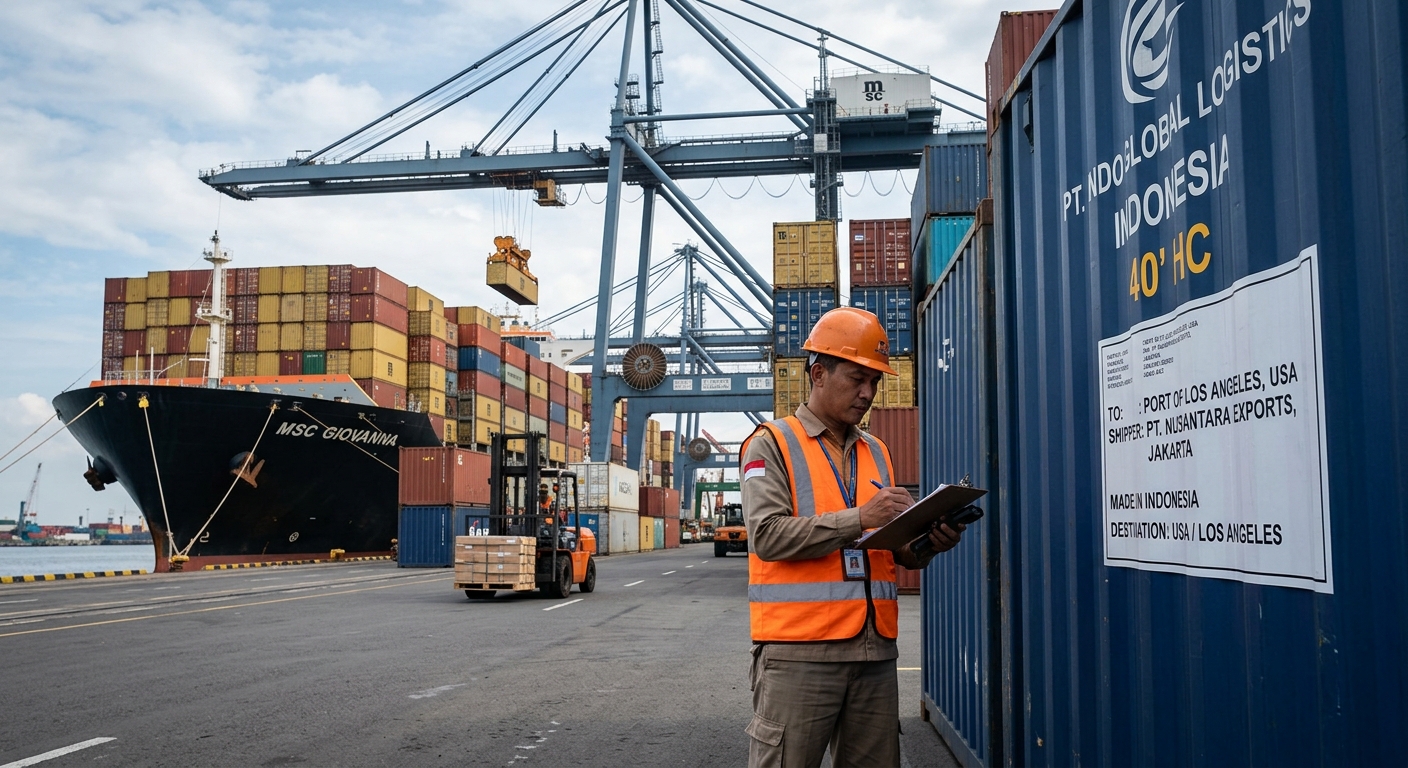
Ocean freight is the most common and cost-effective method for shipping large volumes of goods from Indonesia to the USA. Importers can choose between Full Container Load (FCL) and Less than Container Load (LCL). FCL is ideal for large shipments that can fill a 20-foot or 40-foot container, offering better security and faster transit times compared to LCL. LCL, on the other hand, is suitable for smaller shipments where you share container space with other importers.
Air Freight
For high-value, perishable, or time-sensitive goods, air freight is the preferred option. While it is significantly more expensive than ocean freight, air shipping reduces transit time from weeks to just a few days. This method is often utilized by businesses importing electronics, fashion items, or specific raw materials that require immediate delivery.
Below is a comparison of typical shipping methods from Indonesia to the USA based on transit time and cost factors.
| Shipping Method | Typical Transit Time | Cost Profile | Best For |
|---|---|---|---|
| Ocean Freight (FCL) | 30-45 Days | Low to Medium | High volume, non-urgent goods |
| Ocean Freight (LCL) | 35-50 Days | Medium | Small to medium volume goods |
| Air Freight | 3-7 Days | High | Time-sensitive, high-value goods |
Understanding Customs and Duties
Clearing customs in both Indonesia and the United States is a critical step in the shipping process. The US Customs and Border Protection (CBP) enforces strict regulations to ensure all imported goods meet federal safety and regulatory standards.
To avoid costly delays, importers must be well-versed in the Harmonized System (HS) codes applicable to their products. These codes determine the tariff rates and any special trade agreements that might apply. For a detailed breakdown of tariffs and taxes, you can consult the Comprehensive Guide to US Customs Duty Rates for Imports from Indonesia.
Essential Export Documentation
Proper documentation is the backbone of seamless international shipping. Missing or incorrect paperwork can lead to cargo being held at the port, incurring demurrage and detention charges. Key documents required for shipping from Indonesia to the USA include:
- Commercial Invoice: Details the transaction between the buyer and seller, including the value of the goods.
- Packing List: Provides specifics on the cargo, including weight, dimensions, and packaging type.
- Bill of Lading (B/L) or Airway Bill: The official contract of carriage between the shipper and the carrier.
- Certificate of Origin: Proves that the goods were manufactured in Indonesia.
For businesses looking to streamline this administrative burden, leveraging a Comprehensive Guide to Export Document Preparation Service in Indonesia can be highly beneficial in ensuring all paperwork is accurate and compliant with both Indonesian export laws and US import regulations.
Sourcing and Shipping Specific Commodities
Indonesia is famous for exporting specific commodities that require specialized handling and sourcing strategies. For instance, the agricultural sector is a massive contributor to Indonesian exports. If you are involved in the edible oils market, ensuring your supply chain is environmentally responsible is crucial. To find reputable sources, you might review A Guide to Sustainable Crude Palm Oil Suppliers in Sumatra.
Another popular export from Indonesia is charcoal briquettes, heavily used in the US for barbecue and hookah. When shipping these items, packaging is critical to prevent breakage and moisture damage during transit. Importers can learn more about this specific niche by reading the OEM Charcoal Briquettes Custom Packaging: A Comprehensive Guide, which highlights how tailored packaging solutions can protect your goods and enhance brand identity upon arrival in the US.
Working with Freight Forwarders
Given the complexities of international shipping from Indonesia to the USA, partnering with a reliable freight forwarder is highly recommended. A freight forwarder acts as an intermediary between the shipper and transportation services, handling logistics, negotiating freight rates, and managing customs clearance.
When selecting a freight forwarder, look for a company with a strong network in both Indonesia and the United States. They should offer transparent pricing, tracking capabilities, and expertise in handling your specific type of cargo.
Conclusion
International shipping from Indonesia to the USA offers immense opportunities for American businesses to access high-quality goods at competitive prices. By understanding the differences between ocean and air freight, preparing the necessary documentation, and navigating customs regulations effectively, importers can build a resilient and profitable supply chain. Whether you are importing sustainable agricultural products, custom-packaged charcoal, or consumer goods, thorough preparation and the right logistical partners are the keys to successful international trade.
Frequently Asked Questions
How long does it take to ship goods from Indonesia to the USA?
Transit times vary significantly based on the shipping method. Ocean freight typically takes between 30 to 50 days, while air freight can deliver goods within 3 to 7 days.
What is the difference between FCL and LCL in ocean shipping?
FCL (Full Container Load) means you rent the entire container for your goods, which is faster and more secure. LCL (Less than Container Load) means your goods share container space with other shipments, which is cost-effective for smaller volumes but may take longer due to consolidation and deconsolidation processes.
Do I need a customs broker to import goods from Indonesia to the US?
While it is not legally required for all shipments, hiring a licensed US customs broker is highly recommended. They ensure that your shipment complies with all CBP regulations, properly classify your goods, and help avoid costly delays at the port of entry.