

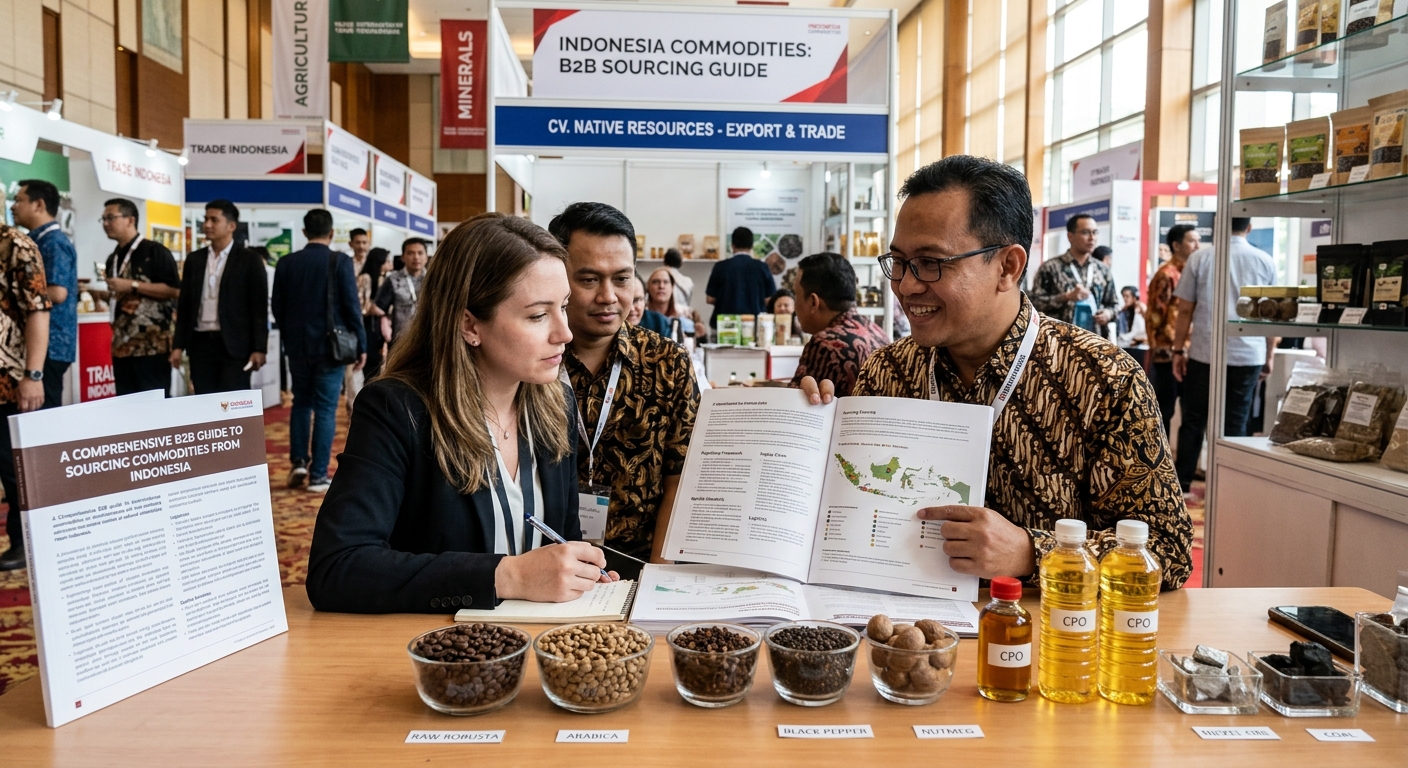
Introduction to B2B Sourcing in Indonesia
Indonesia has rapidly positioned itself as a global powerhouse for commodity exports. With a rich landscape of natural resources, a growing manufacturing base, and strategic proximity to major global shipping routes, sourcing commodities from Indonesia B2B offers immense opportunities for international buyers. Whether you are looking for agricultural products, natural resources, or manufactured goods, the Indonesian market provides competitive pricing and high-quality outputs. Navigating this vast archipelago requires a deep understanding of the local business culture, regulatory environment, and logistics infrastructure.
For business-to-business (B2B) buyers, successfully importing goods from Indonesia means moving beyond simple transactional relationships and building long-term partnerships with reliable suppliers. This comprehensive guide explores the top commodities available, the sourcing process, logistical considerations, and how to effectively manage supplier relationships to ensure a smooth and profitable supply chain.
Top Commodities to Source from Indonesia
Indonesia’s diverse ecosystem supports the production of a wide variety of globally demanded commodities. The country is a leading exporter in several key sectors, offering B2B buyers a wealth of options. Some of the most prominent commodities include palm oil, coal, natural rubber, coffee, spices, and increasingly, specialized products like coconut charcoal.
Agricultural and Natural Resources
Agricultural products remain a cornerstone of Indonesian exports. Palm oil is arguably the most dominant, used extensively worldwide in food products, cosmetics, and biofuels. Beyond palm oil, Indonesia is a premier source of high-quality Arabica and Robusta coffee, spices like nutmeg, clove, and cinnamon, and natural rubber. In the energy and minerals sector, the country is one of the top exporters of thermal coal, nickel, and copper, which are essential for global energy generation and the burgeoning electric vehicle market.
Niche and High-Demand Products
In recent years, niche commodities such as coconut shell charcoal have seen a massive surge in global demand, particularly for use in shisha (hookah) and barbecue briquettes. Indonesian coconut charcoal is highly prized for its low ash content, high heat retention, and lack of odor. Buyers looking to enter this specific market often seek specialized suppliers who can provide customized packaging and formulations.
The following table compares four major Indonesian commodities across key B2B sourcing metrics, illustrating their primary applications, typical shipping methods, and average production lead times.
| Commodity | Primary Application | Standard Shipping Method | Average Lead Time |
|---|---|---|---|
| Palm Oil | Food Processing & Biofuels | Bulk Liquid Tankers | 2-4 Weeks |
| Thermal Coal | Power Generation | Dry Bulk Carriers | 3-6 Weeks |
| Coffee Beans | Beverage Industry | Ventilated Containers | 4-8 Weeks |
| Coconut Charcoal | Shisha & Barbecue | Standard 20ft/40ft Containers | 2-5 Weeks |
The B2B Sourcing Process: Finding and Vetting Suppliers
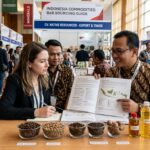
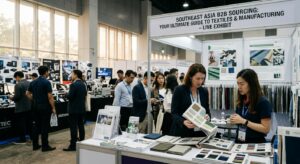
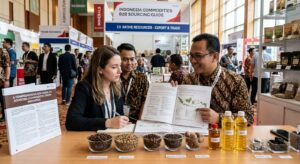
Finding the right supplier is the most critical step in the B2B sourcing journey. The Indonesian market is vast, and while there are many reputable manufacturers, buyers must conduct thorough due diligence to avoid intermediaries who simply mark up prices without adding value. Attending international trade fairs, utilizing government-sponsored export directories, and partnering with local sourcing agents are effective ways to connect with genuine producers.
Evaluating Supplier Credentials
Once potential suppliers are identified, it is essential to verify their business licenses (such as the NIB – Nomor Induk Berusaha), export track record, and quality certifications. For commodities like food products or agricultural goods, certifications like ISO, HACCP, or specific organic labels are crucial. Visiting the production facilities, either in person or via third-party inspection agencies, provides invaluable insights into the supplier’s operational capacity and quality control processes. Working with leading export companies ensures that you are dealing with professionals who understand international compliance and quality standards.
Understanding Minimum Order Quantities (MOQs) and Customization
In the B2B landscape, navigating Minimum Order Quantities (MOQs) is a standard part of negotiations. Suppliers set MOQs to ensure economies of scale during production. For buyers, especially those testing a new market or launching a new product line, understanding these requirements is vital for cash flow and inventory management. If you are specifically interested in the charcoal sector, reading Understanding Minimum Order Quantity for Coconut Charcoal: A Comprehensive Guide can provide deep insights into how these minimums are calculated and negotiated.
White Labeling and Private Label Solutions
Many Indonesian manufacturers offer comprehensive white-labeling services, allowing global brands to source high-quality commodities and sell them under their own branding. This is particularly prevalent in the coffee and charcoal industries. For instance, buyers looking to source premium shisha charcoal can specify ash color, burning time, and briquette shape. To navigate this specialized niche successfully, reviewing The Ultimate Guide to White Label Shisha Charcoal in Indonesia is highly recommended, as it covers everything from formulation specs to packaging design.
Logistics, Shipping, and Import Duties
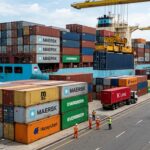
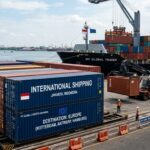
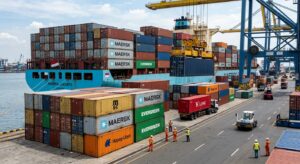
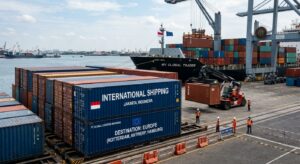
Transporting commodities from an archipelago like Indonesia involves a complex logistical network. Goods are typically moved from plantations or mines to major export hubs like the Port of Tanjung Priok in Jakarta, Tanjung Perak in Surabaya, or Belawan in Sumatra. Selecting the right freight forwarder who has strong local connections can significantly reduce transit times and inland transportation costs.
Navigating Customs and International Trade Laws
Exporting from Indonesia requires the supplier to handle local customs clearance, while the buyer is responsible for import duties and taxes at the destination port. Depending on the commodity and the destination country, import duties can vary significantly. Trade agreements, such as the Generalized System of Preferences (GSP) or bilateral treaties, can sometimes offer tariff reductions. For buyers operating in North America, understanding the specific tariff codes and regulatory requirements is essential. A great resource for this is A Complete Guide to Import Duties from Indonesia to North America, which breaks down the financial and legal obligations of importing Indonesian goods into the US and Canada markets.
Quality Control and Risk Management
Quality control (QC) is paramount when sourcing commodities from a developing market. Discrepancies in product quality can lead to rejected shipments and significant financial losses. Implementing a strict QC protocol is non-negotiable. This usually involves pre-production sample approvals, in-line inspections during manufacturing, and pre-shipment inspections (PSI) conducted by reputable third-party agencies like SGS or Intertek.
Furthermore, risk management extends beyond product quality. Fluctuating currency exchange rates, changes in Indonesian export regulations (such as periodic bans on raw mineral exports to encourage domestic processing), and volatile shipping costs must all be factored into your long-term sourcing strategy. Structuring contracts clearly with defined Incoterms (e.g., FOB, CIF) helps delineate the transfer of risk and responsibility between the buyer and the seller.
Conclusion
Sourcing commodities from Indonesia offers a strategic advantage for global B2B buyers seeking high-quality products at competitive prices. From agricultural staples like palm oil and coffee to specialized goods like coconut charcoal, the Indonesian market is rich with potential. However, success in this arena requires meticulous planning, stringent supplier vetting, and a thorough understanding of international logistics and import duties. By building strong relationships with verified suppliers and staying informed about market dynamics, businesses can establish a resilient and highly profitable supply chain rooted in Indonesia.
Frequently Asked Questions (FAQ)
What are the most popular commodities to source from Indonesia?
The most popular commodities include palm oil, thermal coal, rubber, coffee, spices, and coconut shell charcoal. These products benefit from Indonesia’s rich natural resources and established agricultural and mining sectors.
How can I verify a B2B supplier in Indonesia?
You can verify a supplier by requesting their business registration documents (NIB), checking their export history, asking for international quality certifications (like ISO or HACCP), and hiring a third-party inspection agency to audit their facilities before placing an order.
What are Incoterms, and which should I use when buying from Indonesia?
Incoterms are international commercial terms that define the responsibilities of buyers and sellers. FOB (Free on Board) is highly popular when sourcing from Indonesia, as the supplier handles local logistics and customs clearance, while the buyer controls the international freight and insurance.
Do I need a special license to import commodities from Indonesia?
In Indonesia, the exporter needs an export license. As a buyer, your licensing requirements depend entirely on your home country’s import regulations for that specific commodity. For example, importing food products typically requires registration with local health or food safety authorities.