

Introduction to Southeast Asia B2B Sourcing
In recent years, global supply chains have undergone a significant transformation. As businesses look to diversify their manufacturing bases and mitigate risks associated with relying on a single market, Southeast Asia has emerged as a powerhouse for B2B sourcing. This comprehensive Southeast Asia B2B sourcing guide explores the strategic advantages of the region, the distinct capabilities of individual countries, and the essential steps businesses must take to establish reliable, cost-effective, and resilient supply chains.
Southeast Asia boasts a young, dynamic workforce, improving infrastructure, and favorable trade agreements. From textiles and electronics to agricultural commodities and niche manufactured goods, the Association of Southeast Asian Nations (ASEAN) offers a compelling alternative to traditional manufacturing hubs. For procurement professionals and supply chain managers, understanding the nuances of sourcing from this diverse region is critical to maintaining a competitive edge in today’s global market.
Why Source from Southeast Asia?
The shift towards Southeast Asia is driven by several macroeconomic and strategic factors. First and foremost is the concept of supply chain resilience. By adopting a “China Plus One” strategy, companies are spreading their operational risks across multiple jurisdictions. Southeast Asia naturally fits into this equation due to its geographic proximity to major Asian supply chains, allowing for seamless integration of raw materials and sub-assemblies.
Cost competitiveness remains a significant draw. While labor costs in established manufacturing giants have steadily risen, countries like Vietnam, Indonesia, and the Philippines offer highly competitive labor rates without compromising on productivity. Furthermore, regional governments are actively incentivizing foreign direct investment (FDI) through tax holidays, special economic zones, and streamlined regulatory frameworks tailored for export-oriented businesses.
Another vital factor is the abundance of natural resources. Southeast Asia is not just a hub for assembly; it is a primary source for critical raw materials. Understanding how to navigate these raw material markets is crucial. For those interested in the robust Indonesian market, reading The Ultimate Guide to Exporting Commodities from Indonesia B2B provides invaluable insights into agricultural and mineral procurement.
Key Sourcing Hubs in Southeast Asia
Southeast Asia is not a monolith; each country possesses unique strengths, industrial specializations, and regulatory environments. To make informed sourcing decisions, businesses must align their product requirements with the comparative advantages of specific nations.
Vietnam: The Electronics and Apparel Powerhouse
Vietnam has positioned itself as a premier destination for electronics manufacturing and textile production. Its close proximity to China allows for the easy import of specialized components, which are then assembled by a skilled and cost-effective workforce. Major multinational corporations have established massive facilities here, elevating the country’s manufacturing standards and logistics infrastructure.
Indonesia: Rich Commodities and Growing Manufacturing
As the largest economy in Southeast Asia, Indonesia offers immense potential both as a consumer market and a sourcing hub. The country is exceptionally rich in natural resources, making it a top destination for agricultural products, timber, rubber, and specialized commodities. For example, the booming global demand for sustainable heating and cooking fuels has highlighted specialized markets. Procurement teams looking into this sector should consult the Premium BBQ Charcoal Supplier from Indonesia: A Sourcing Guide to understand quality grading and export logistics.
Thailand: The Automotive and Medical Hub
Thailand is widely recognized as the “Detroit of Asia” due to its highly developed automotive manufacturing and assembly ecosystem. Additionally, Thailand has a robust food processing industry and is rapidly growing its medical device manufacturing sector, supported by excellent infrastructure and skilled engineering talent.
Malaysia: High-Tech Electronics and Palm Oil
Malaysia bridges the gap between developing sourcing hubs and advanced manufacturing centers. It is a critical node in the global semiconductor supply chain and excels in high-tech electronics, electrical machinery, and petrochemicals.
The following table compares three major Southeast Asian sourcing hubs based on their primary export industries, corporate tax rates, and average monthly minimum wage (in USD) to help you evaluate which market aligns with your sourcing needs.
| Country | Primary Export Industries | Standard Corporate Tax Rate | Estimated Min. Wage (USD/Month) |
|---|---|---|---|
| Vietnam | Electronics, Apparel, Footwear | 20% | $140 – $200 |
| Indonesia | Commodities, Textiles, Automotive | 22% | $130 – $330 |
| Thailand | Automotive, Electronics, Food Processing | 20% | $270 – $290 |
Navigating Trade Agreements and Tariffs
One of the most significant advantages of sourcing from Southeast Asia is the region’s extensive network of Free Trade Agreements (FTAs). The ASEAN Free Trade Area (AFTA) eliminates tariffs on the vast majority of goods traded between member states, creating a deeply integrated regional supply chain.
Moreover, Southeast Asian nations are signatories to mega-regional agreements like the Regional Comprehensive Economic Partnership (RCEP) and the Comprehensive and Progressive Agreement for Trans-Pacific Partnership (CPTPP). These agreements drastically reduce trade barriers, lower export costs, and streamline customs procedures.
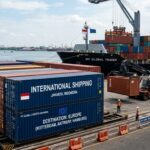
Bilateral agreements also play a pivotal role. For businesses looking to import into Europe from Indonesia, understanding the evolving regulatory landscape is essential. A deep dive into the IEU-CEPA Impact on Indonesia Trade: A Comprehensive Analysis reveals how the Indonesia-European Union Comprehensive Economic Partnership Agreement is set to reshape tariff structures and compliance requirements, opening up lucrative B2B channels.
Leveraging B2B Platforms and Supplier Directories
Finding reliable suppliers in a foreign market can be daunting. Language barriers, cultural differences, and distance make the initial vetting process challenging. Fortunately, the digitalization of global trade has spawned numerous B2B platforms specifically tailored to Southeast Asian markets.
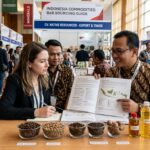
These platforms allow buyers to filter suppliers by production capacity, certifications (such as ISO, HACCP, or FSC), and export history. When sourcing from Indonesia, utilizing localized digital directories can significantly shorten the procurement cycle. To explore how to effectively navigate these platforms, review the B2B Portal Indonesian Suppliers Directory: Unlocking Global Trade Opportunities, which outlines the best practices for connecting with verified local manufacturers.
Best Practices for Southeast Asia B2B Sourcing
To ensure a successful sourcing strategy in Southeast Asia, companies should adhere to a rigorous set of best practices:
- Comprehensive Due Diligence: Never rely solely on a digital profile. Conduct background checks, request company registration documents, and review financial statements. Engaging a third-party auditing firm to conduct factory inspections before signing contracts is highly recommended.
- Sample Validation: Always request product samples to verify quality, material specifications, and craftsmanship. Ensure that the “golden sample” is kept on hand for future quality control comparisons during mass production.
- Clear Communication and Contracts: Draft detailed purchase orders and manufacturing agreements. Clearly define quality standards, lead times, payment terms (often using Letters of Credit or TT), and penalties for delays. Keep in mind that English proficiency varies across the region, so simplified, explicit language is essential.
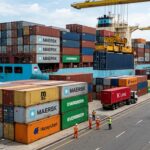
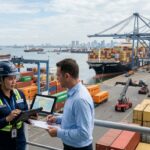
- Logistics and Freight Planning: Southeast Asia’s infrastructure is developing rapidly, but port congestion and inland transportation delays can occur. Partner with experienced freight forwarders who have a strong local presence to navigate customs clearance and secure favorable shipping rates.
- Relationship Building: Business in Southeast Asia is heavily relationship-oriented. Taking the time to visit suppliers, understand their culture, and build personal rapport will result in better pricing, priority production scheduling, and smoother conflict resolution.
Overcoming Common Challenges
While the benefits are substantial, B2B sourcing in Southeast Asia is not without its hurdles. Infrastructure bottlenecks can sometimes delay inland transport, particularly in archipelagic nations like Indonesia and the Philippines. Regulatory compliance, specifically regarding labor laws and environmental standards, requires strict oversight to protect your brand’s reputation.
Furthermore, intellectual property (IP) protection varies by jurisdiction. Companies must register their patents and trademarks in the local country before sharing sensitive blueprints or proprietary designs with regional manufacturers. Utilizing Non-Disclosure Agreements (NDAs) and Non-Compete Agreements (NCAs) enforceable under local law is a critical defensive measure.
Conclusion
Southeast Asia represents a dynamic, competitive, and highly rewarding frontier for B2B sourcing. By understanding the unique industrial strengths of each country, leveraging modern digital directories, and mastering regional trade agreements, businesses can build a resilient and cost-effective global supply chain. While challenges such as infrastructure constraints and cross-cultural communication exist, rigorous due diligence and a commitment to relationship-building will ensure long-term procurement success in the ASEAN region.
Frequently Asked Questions (FAQ)
What is the “China Plus One” strategy?
The “China Plus One” strategy is a business approach where companies avoid investing entirely in China and diversify their business operations by expanding into other countries, commonly in Southeast Asia, to mitigate risks, lower labor costs, and ensure supply chain resilience.
Which Southeast Asian country is best for electronics manufacturing?
Vietnam and Malaysia are currently the top destinations for electronics sourcing in Southeast Asia. Malaysia excels in high-tech semiconductors, while Vietnam is highly favored for consumer electronics assembly and component manufacturing.
How can I verify a supplier in Southeast Asia?
Supplier verification should involve multiple steps: checking their registration via government databases, utilizing trusted B2B directories, requesting compliance certificates (e.g., ISO), ordering product samples, and ideally, conducting a physical factory audit either personally or through a trusted third-party inspection agency.
Do I need to pay tariffs when importing from Southeast Asia?
Tariffs depend on your destination country and the specific product classification (HS code). However, Southeast Asian nations participate in numerous Free Trade Agreements (FTAs) like RCEP and various bilateral agreements, which often reduce or eliminate import duties for member nations.