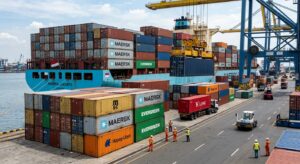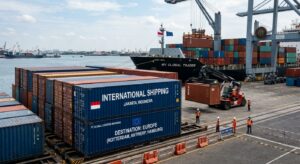


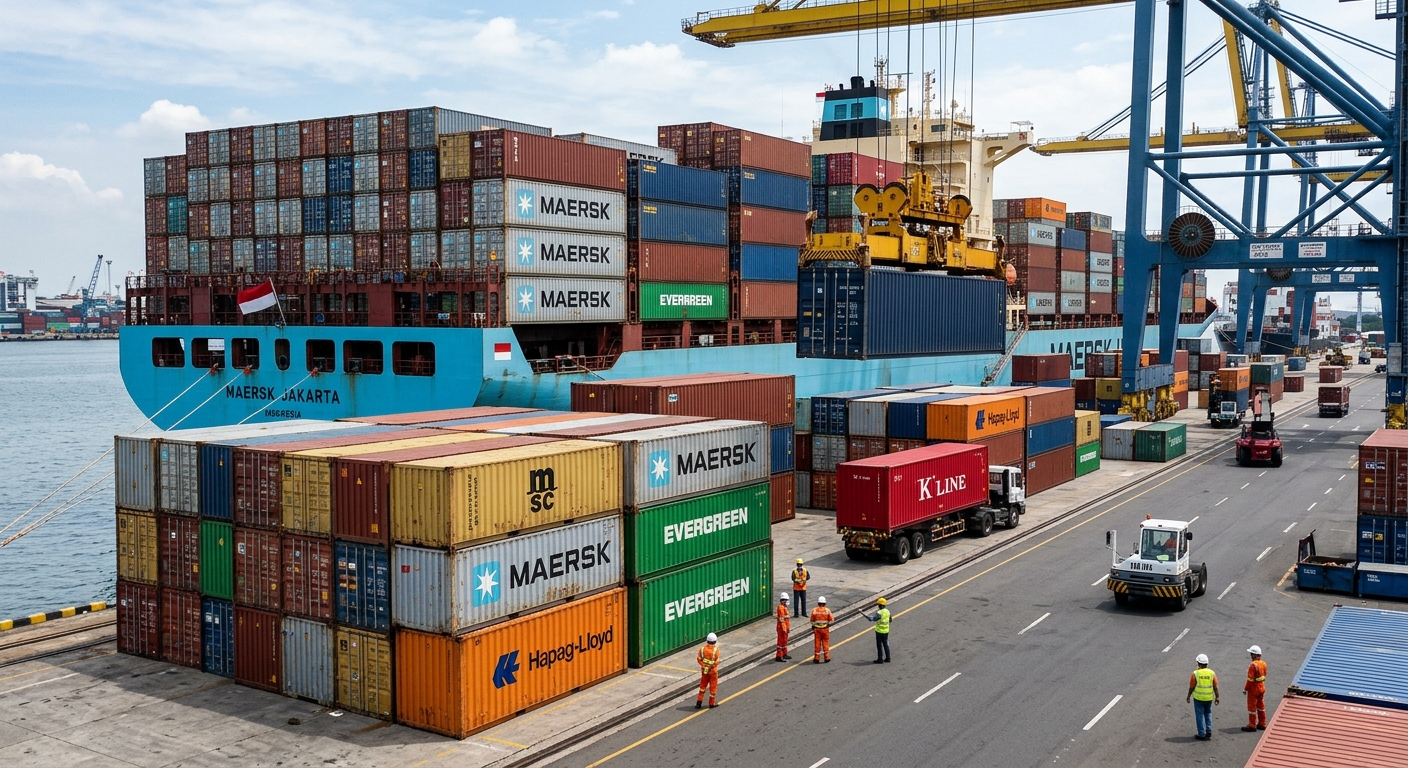
When planning to export goods from Southeast Asia, understanding the logistics of FCL container shipping from Jakarta is essential for businesses worldwide. Jakarta, particularly through the Port of Tanjung Priok, serves as Indonesia’s primary gateway for international trade. Full Container Load (FCL) shipping offers a secure, cost-effective, and efficient method for transporting large volumes of cargo. This comprehensive guide will walk you through the intricacies of FCL shipping from Jakarta, covering everything from operational processes to compliance and strategic considerations.
Understanding FCL Shipping
FCL, or Full Container Load, is an ocean shipping mode where a single consignee utilizes an entire shipping container. Unlike Less than Container Load (LCL), where multiple shipments share a container, FCL provides exclusive use. This exclusivity reduces the risk of damage, loss, or contamination from other goods, making it ideal for high-volume or sensitive shipments.
When shipping from Jakarta, businesses typically choose between 20-foot, 40-foot, and 40-foot High Cube containers based on their cargo volume and weight. The choice of container directly impacts shipping costs, loading efficiency, and overall logistics strategy.
Why Choose Jakarta for FCL Shipping?
Jakarta’s Port of Tanjung Priok is the busiest and most advanced seaport in Indonesia. It handles a massive portion of the country’s export and import activities. The port’s infrastructure has seen continuous upgrades, allowing it to accommodate larger vessels and streamline cargo handling processes.
For international buyers sourcing products like agriculture, textiles, or manufactured goods, Jakarta offers robust connectivity to global shipping lanes. If you are exploring the agricultural sector, Finding a Reliable Indonesian Coconut Product Exporter: A Guide can be incredibly beneficial before arranging your FCL shipments.
The FCL Shipping Process from Jakarta
The process of FCL shipping involves several critical steps to ensure your cargo reaches its destination safely and on time.
1. Booking the Container
The first step is booking the container through a freight forwarder or shipping line. You must provide details such as cargo type, weight, volume, preferred sailing dates, and the destination port. Early booking is crucial, especially during peak seasons when container availability in Jakarta might be limited.
2. Container Stuffing
Once booked, the empty container is delivered to the supplier’s warehouse for stuffing (loading). In FCL shipping, the supplier is usually responsible for loading the goods securely to prevent shifting during transit. Proper packaging and securing are vital for maritime transport.
3. Inland Transportation
After stuffing, the loaded and sealed container is transported by truck to the Port of Tanjung Priok. Coordinating reliable trucking services in Jakarta is essential due to heavy traffic conditions that can cause delays.
4. Customs Clearance
Before the container can be loaded onto the vessel, it must clear Indonesian customs. This requires meticulous documentation. To avoid delays, it is imperative to refer to the Comprehensive Guide to Indonesia Export Compliance Documents. Ensuring all permits, invoices, and certificates are in order is non-negotiable.
5. Loading and Ocean Freight
Once cleared, the container is loaded onto the cargo ship. The transit time depends on the destination, shipping route, and the specific shipping line chosen.
Common Export Goods from Jakarta
Jakarta serves as a central hub for various Indonesian exports. Understanding what is commonly shipped can help optimize your supply chain. For instance, many businesses utilize FCL shipping for bulk commodities. If you are dealing in specific fuel commodities, A Complete Guide to Shisha Charcoal Briquette Wholesale in Indonesia provides excellent insights into sourcing and shipping these high-demand products.
Other common FCL exports from Jakarta include:
- Textiles and Garments: Indonesia is a major player in global apparel manufacturing.
- Furniture: High-quality teak and rattan furniture are frequently exported in 40-foot containers.
- Agricultural Products: Spices, coffee, rubber, and palm oil derivatives.
- Electronics and Automotive Parts: Growing sectors in Indonesian manufacturing.
When looking for high-quality export products and seamless trading experiences, many international buyers choose to partner with a trusted trading company to navigate the local market effectively.
Comparing Standard Container Types for FCL
Selecting the right container is vital for optimizing FCL shipping costs and logistics. The table below compares the standard container types used in FCL shipping from Jakarta based on their dimensions and typical maximum payload.
| Container Type | Internal Volume (CBM) | Max Payload (approx. kg) | Best Suited For |
|---|---|---|---|
| 20-Foot Standard | 33.2 | 28,000 | Heavy, dense cargo (e.g., metals, machinery) |
| 40-Foot Standard | 67.7 | 27,600 | Voluminous, lighter cargo (e.g., furniture, textiles) |
| 40-Foot High Cube | 76.3 | 28,600 | Extra voluminous cargo, over-height items |
Cost Factors in FCL Shipping
Calculating the cost of FCL container shipping from Jakarta involves several variables. It is not just about the ocean freight rate; various surcharges and local fees apply.
Ocean Freight Rates
The base rate charged by the shipping line. This fluctuates based on global market conditions, fuel prices (Bunker Adjustment Factor), and seasonal demand.
Terminal Handling Charges (THC)
Fees applied by the Port of Tanjung Priok for lifting the container from the truck and loading it onto the vessel.
Customs and Documentation Fees
Costs associated with processing export declarations and issuing the Bill of Lading. Ensuring your compliance documents are perfect will save you from costly customs penalties.
Inland Haulage
The cost of trucking the container from the supplier’s location to the port. The distance and traffic conditions in and around Jakarta significantly impact this cost.
Best Practices for FCL Shipping from Jakarta
To ensure a smooth shipping experience, consider the following best practices:
- Plan Ahead: Book containers well in advance, especially during the weeks leading up to major holidays like Eid al-Fitr or Chinese New Year.
- Optimize Loading: Use palletization and proper dunnage to maximize space utilization and protect cargo.
- Partner with Experts: Work with reputable freight forwarders who have a strong presence in Jakarta and understand local customs regulations.
- Insure Your Cargo: Marine insurance is essential to protect your investment against unforeseen events during transit.
Conclusion
FCL container shipping from Jakarta is a highly efficient way to move large volumes of goods from Indonesia to the global market. By understanding the processes, selecting the right container types, and ensuring strict adherence to export compliance, businesses can optimize their supply chains and reduce logistics costs. Leveraging the infrastructure at the Port of Tanjung Priok and partnering with experienced local forwarders and exporters will ensure your cargo reaches its destination safely and on schedule.
Frequently Asked Questions (FAQ)
What is the difference between FCL and LCL shipping?
FCL (Full Container Load) means you rent the entire container for your goods, regardless of whether you fill it completely. LCL (Less than Container Load) means your goods share a container with shipments from other companies. FCL is generally faster and safer, while LCL is more cost-effective for small volumes.
How long does it take to ship an FCL container from Jakarta to the US or Europe?
Transit times vary significantly based on the exact destination and shipping route. Generally, shipping from Jakarta to the US West Coast takes about 25-35 days, while shipping to major European ports like Rotterdam or Hamburg takes approximately 30-40 days.
What documents are required for FCL export from Jakarta?
Standard documents include the Commercial Invoice, Packing List, Bill of Lading, and Export Declaration (PEB). Depending on the product, you may also need a Certificate of Origin, Phytosanitary Certificate, or specific fumigation certificates.
Can I track my FCL container once it leaves Jakarta?
Yes, most modern shipping lines and freight forwarders provide a tracking number (usually the container number or Bill of Lading number) that allows you to monitor the vessel’s progress online in real-time.