

The global marketplace is shifting, and exciting new horizons are opening up for businesses based in Southeast Asia. As the UAE continues to diversify its economy, it is actively seeking high-quality imports from partners like Indonesia.
This creates a unique climate for local companies to expand their reach. By understanding the specific needs of the Gulf region, your brand can thrive in this vibrant environment.
Recent government initiatives have simplified the path toward successful cross-border commerce. We are here to provide a friendly roadmap to help you navigate these complexities with confidence.
Key Takeaways
- The UAE is increasingly looking toward Southeast Asia for premium goods.
- Economic shifts are creating a favorable environment for new business entries.
- Indonesian brands enjoy a strong reputation for quality in the Gulf.
- Strategic planning helps companies navigate international commerce regulations.
- Government support is making it easier to scale your brand internationally.
The Strategic Importance of the UAE for Indonesian Exporters
For Indonesian companies, the UAE represents more than just a market; it is a strategic bridge to global commerce. By positioning goods in this region, businesses can effectively streamline their indonesian products export to the middle east through world-class infrastructure and a business-friendly climate.
Understanding the UAE as a Gateway to the Middle East
The UAE serves as a vital commercial hub that offers unparalleled access to broader markets across the Middle East and Africa. Its advanced logistics networks and free trade zones allow companies to move goods with remarkable efficiency.
Many firms have already utilized venues like the Dubai World Trade Center to showcase their offerings to international buyers. This physical presence acts as a foundational step for any exporter looking to scale their operations internationally.
Current Economic Ties Between Indonesia and the UAE
The relationship between these two nations continues to strengthen through targeted trade initiatives and high-level cooperation. Recent events highlight the growing demand for indonesian exports to middle east markets, particularly in specialized sectors like healthcare.
For instance, Indonesia’s participation in Arab Health 2023 in Dubai resulted in US$9.15 million in potential transactions. This success demonstrates the immense potential for growth when Indonesian businesses engage directly with local stakeholders.
| Advantage | Impact on Exporters | Strategic Value |
|---|---|---|
| Logistics Hub | Faster shipping times | High |
| Trade Events | Direct buyer access | High |
| Free Zones | Tax and ownership benefits | Medium |
| Market Reach | Access to Africa/MENA | High |
Key Middle East Trade Opportunities for Indonesian Products
With Saudi-Indonesia non-oil trade reaching over $3.9 billion in 2025, a 12% increase from 2021, the region has become a vital hub for growth. This surge highlights the massive middle east trade opportunities for indonesian products that exist for businesses ready to scale. By understanding local preferences, companies can effectively tap into this expanding market.
High-Demand Consumer Goods and Retail Potential
The retail sector is currently undergoing a transformation driven by initiatives like Saudi Arabia’s Vision 2030. There is a strong appetite for high-quality imports, particularly in the modest fashion and lifestyle segments. Retailers who prioritize premium quality and cultural relevance often find the most success in these competitive markets.
Opportunities in the Halal Food and Beverage Sector
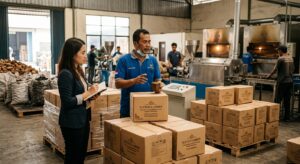
Food security and quality remain top priorities for consumers across the Gulf. Indonesian exporters have a natural advantage in the halal food and beverage sector due to established production standards. Leveraging these trade opportunities in the middle east requires a focus on consistent supply chains and authentic flavors that resonate with local households.
Growth Prospects for Indonesian Furniture and Home Decor
Modern interior design trends in the region are shifting toward sustainable and artisanal materials. Indonesian furniture makers are uniquely positioned to provide high-end, handcrafted pieces that blend traditional aesthetics with contemporary needs. This niche offers significant potential for brands that emphasize craftsmanship and durability in their marketing.
| Sector | Market Driver | Growth Potential |
|---|---|---|
| Consumer Goods | Vision 2030 Initiatives | High |
| Halal Food | Rising Demand for Quality | Very High |
| Home Decor | Sustainable Design Trends | Moderate |
By focusing on these specific areas, Indonesian businesses can align their offerings with the evolving needs of the region. Exploring these trade opportunities in the middle east is a strategic move for any company looking to diversify its international footprint.
Navigating the Middle East Market for Indonesian Goods
Success for indonesian exports to the Middle East often hinges on how well a brand adapts to local customs. Entering this vibrant region requires more than just a high-quality product; it demands a deep respect for the values that drive purchasing decisions. By aligning your business strategy with regional expectations, you can build the trust necessary for long-term growth.
Cultural Nuances and Consumer Preferences
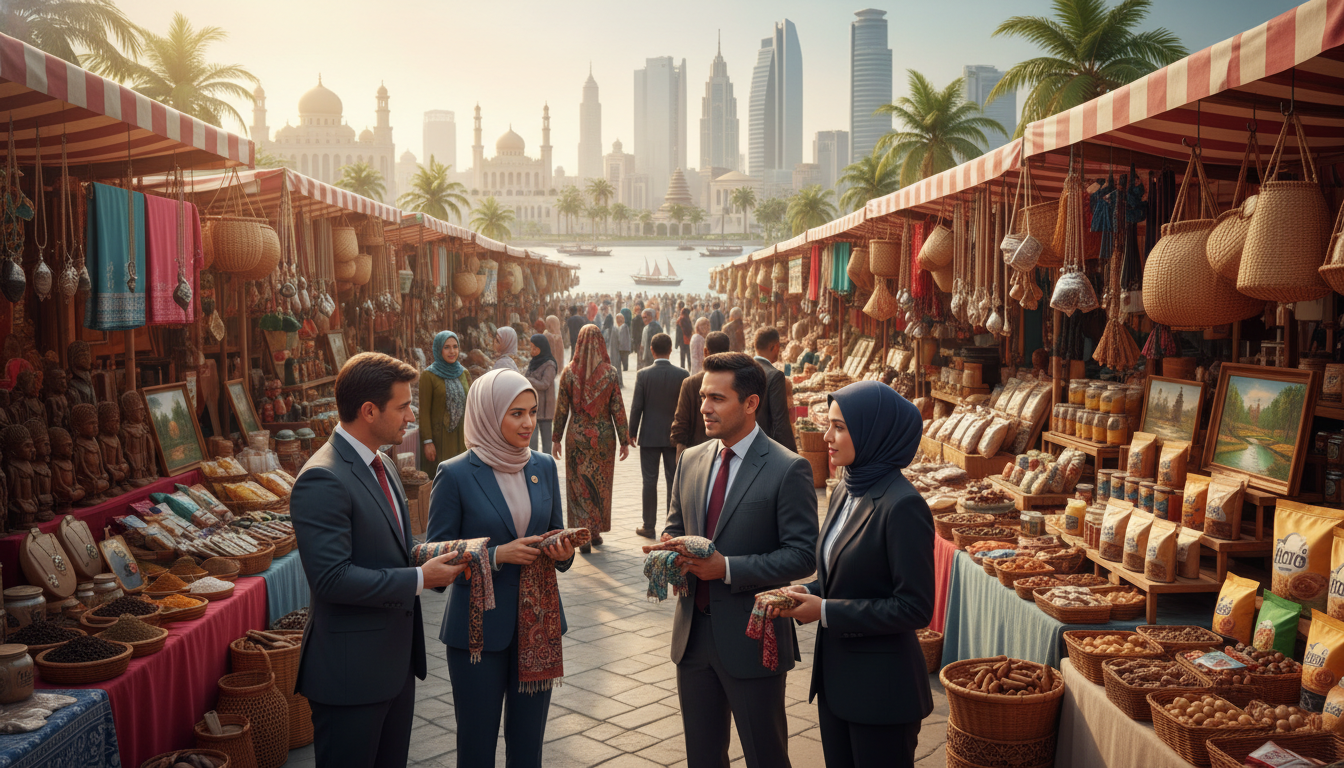
The middle east market for indonesian goods is deeply rooted in traditions of hospitality and personal relationships. Consumers in the UAE often prioritize brands that demonstrate a genuine understanding of their lifestyle and social values. Building a strong reputation starts with showing consistency and reliability in every interaction.
It is helpful to remember that many buyers value face-to-face communication and long-term partnerships over quick, transactional deals. Taking the time to engage with local stakeholders can provide you with invaluable insights into what truly resonates with the community. This human-centric approach is a cornerstone of success in the region.
Adapting Product Packaging for Local Markets
Your product presentation serves as the first point of contact with potential customers. To effectively boost indonesian exports to the Middle East, your packaging must reflect both local aesthetic standards and regulatory requirements. Clear, accurate labeling in Arabic is not just a legal necessity; it is a sign of respect for the consumer.
Consider the visual elements of your design to ensure they align with local cultural sensitivities. Using colors, imagery, and symbols that are culturally appropriate will help your brand stand out in a positive way. By tailoring your packaging, you demonstrate a commitment to the middle east market for indonesian goods, which ultimately fosters greater brand loyalty and market acceptance.
Regulatory Framework and Trade Agreements
Navigating the legal landscape is a vital step for any business looking to expand into the UAE. If you want to boost your indonesian products export to the middle east, you must first master the local trade laws and agreements that govern these transactions.
A clear understanding of these rules helps you avoid costly delays. It also ensures that your goods reach the middle east import market for indonesian products with minimal friction.

Leveraging the Indonesia-UAE Comprehensive Economic Partnership Agreement
The Indonesia-UAE Comprehensive Economic Partnership Agreement (IUAE-CEPA) serves as a powerful tool for exporters. This landmark deal is designed to significantly reduce trade barriers between the two nations.
By lowering tariffs and simplifying administrative procedures, the agreement makes it much easier to move goods across borders. Exporters who utilize these provisions gain a competitive edge in the region.
Understanding Customs and Import Regulations in the UAE
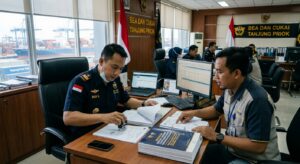
Compliance with local customs is the backbone of a successful trade strategy. The UAE maintains specific standards for imported goods that every business must follow to ensure a smooth entry.
You should prioritize obtaining the necessary certifications and documentation before shipping your items. Proper preparation prevents shipments from being held at the border, which is essential for maintaining a reliable middle east import market for indonesian products.
Staying updated on regulatory changes will keep your operations running smoothly. When you respect the local legal framework, you build long-term trust with your partners and customers in the UAE.
Logistics and Supply Chain Considerations
Your success in the middle east import market for indonesian products depends heavily on how you move your goods. Efficient logistics act as the backbone of international trade, especially when navigating the unique geography of the region. By planning your routes carefully, you can significantly reduce transit times and operational costs.
Optimizing Shipping Routes from Indonesia to Dubai
Dubai serves as a primary gateway for goods entering the region. To maintain a competitive edge, exporters should prioritize direct shipping lanes that connect major Indonesian ports to Jebel Ali or Port Rashid. Consistency is key when managing your supply chain to ensure that your inventory remains stable for local buyers.
Many businesses find that combining sea freight for bulk items with air freight for time-sensitive goods offers the best balance. This hybrid approach helps you stay agile while keeping your overhead expenses manageable. Always verify the latest schedules to avoid unexpected delays at busy transit hubs.
“A resilient supply chain is not just about speed; it is about the ability to adapt to the shifting demands of the global marketplace while maintaining quality.”
Warehousing and Distribution Strategies in Free Trade Zones
Utilizing warehousing solutions within Free Trade Zones provides Indonesian exporters with greater flexibility and significant tax advantages. These zones allow you to store goods without immediate customs duties, which improves your cash flow. The Dubai World Trade Center also serves as a major hub for regional exhibitions, making it an ideal location to showcase your products to potential partners.
Strategic distribution from these zones ensures that your products reach retailers across the region quickly. By keeping stock closer to your customers, you minimize the risk of stockouts and improve overall service levels. Consider the following comparison of logistics options to help refine your strategy:
| Logistics Method | Primary Benefit | Best For |
|---|---|---|
| Sea Freight | Cost-Effective | Bulk Commodities |
| Air Freight | High Speed | Perishable Goods |
| Free Zone Storage | Tax Efficiency | Inventory Management |
By leveraging these logistics strategies, you can effectively penetrate the middle east import market for indonesian products. A well-planned supply chain ensures that your business remains reliable and ready to meet the growing demands of the region.
Building Successful Trade Connections Between Indonesia and Middle East
Establishing a bridge between Indonesia and the Middle East starts with strategic networking and finding the right allies. Building strong, long-term relationships is the primary key to unlocking sustained growth in this competitive region. In fact, over 58% of surveyed Indonesian economic experts believe the country should prioritize strengthening these vital ties to maximize future potential.
Networking Through Trade Shows and Exhibitions
Participating in major industry events is one of the most effective ways to explore trade opportunities in the middle east. Events like Gulfood or The Big 5 in Dubai provide a platform to meet potential buyers and industry leaders face-to-face. These exhibitions allow you to showcase your products while gaining firsthand insight into local market trends.
When attending these shows, focus on quality interactions rather than just collecting business cards. Engaging with attendees helps you understand the specific needs of consumers in the United Arab Emirates. This proactive approach builds the foundation for lasting professional bonds.
Finding Reliable Local Partners and Distributors
Securing a trustworthy local partner is often the fastest way to gain immediate credibility in a new market. A local distributor understands the regulatory landscape and cultural nuances that might otherwise be difficult to navigate. You should look for partners who share your commitment to business excellence and quality standards.
Before signing any agreements, conduct a thorough vetting process to ensure your goals align. Ask for references and verify their track record within the industry to protect your brand reputation. Establishing these trade connections between indonesia and middle east will provide the stability needed for long-term success.
| Strategy | Primary Benefit | Effort Level |
|---|---|---|
| Trade Exhibitions | Brand Visibility | High |
| Local Distributors | Market Access | Medium |
| Direct Networking | Relationship Depth | High |
| Chamber of Commerce | Market Intelligence | Low |
By combining these strategies, you can effectively capitalize on the growing trade opportunities in the middle east. Consistency and patience remain your best tools as you expand your footprint in the region.
Digital Marketing Strategies for Expanding Trade in the Middle East
If you want to unlock new business prospects in the middle east, your digital strategy must be your top priority. The rapid growth of the digital economy in the UAE offers a unique window for Indonesian exporters to scale their operations effectively. By embracing modern tools, your brand can bridge the distance and build lasting trust with local consumers.
Expanding trade in the middle east requires a modern approach that blends traditional values with digital innovation. Whether you are selling modest fashion or premium food products, a localized online presence is essential for success.
Utilizing E-commerce Platforms in the Gulf Region
The Gulf region boasts some of the most advanced e-commerce ecosystems in the world. Platforms like Amazon.ae and Noon serve as the primary gateways for reaching millions of shoppers across the UAE and Saudi Arabia. Listing your products on these marketplaces provides immediate visibility and access to established logistics networks.
To maximize your reach, consider how your offerings align with regional initiatives like Saudi Arabia’s Vision 2030. This roadmap creates massive demand for high-quality Indonesian modest fashion, cosmetics, and specialty food items. Aligning your product descriptions and imagery with these cultural trends will significantly boost your conversion rates.
Engaging Local Audiences Through Social Media
Social media is the heartbeat of consumer interaction in the Middle East. Platforms such as Instagram and TikTok are vital for showcasing your brand story and building a loyal community. Engaging with local influencers can help you navigate cultural nuances while establishing credibility with your target demographic.
Consistency is key when building your digital footprint. Use the following table to understand which channels best support your specific product categories:
| Channel Type | Primary Benefit | Best For |
|---|---|---|
| E-commerce Marketplaces | High Traffic | Food & Consumer Goods |
| Visual Storytelling | Modest Fashion | |
| TikTok | Viral Engagement | Cosmetics & Lifestyle |
| B2B Networking | Trade Partnerships |
By leveraging these digital tools, you can effectively manage your business prospects in the middle east while ensuring your brand remains competitive. Start small, monitor your analytics, and adapt your messaging to resonate with the unique preferences of the local market.
Overcoming Common Challenges in Exporting
Successfully expanding trade in the Middle East often depends on how well a business manages financial and quality risks. While the potential for growth is significant, exporters must remain vigilant to ensure their operations stay smooth and profitable.
Managing Financial Transactions and Currency Fluctuations
Financial stability is the backbone of any international venture. When dealing with the middle east market for indonesian goods, companies should utilize secure payment instruments like Letters of Credit to minimize risk.
Currency volatility can impact profit margins significantly. Forward contracts and hedging strategies help businesses lock in exchange rates, providing much-needed predictability for long-term planning.
Real-world success proves that these strategies work. For instance, PT Mega Andalan Kalasan successfully secured six trade contracts worth US$850,000 with buyers across the region by maintaining transparent and secure financial practices.
Ensuring Quality Standards and Certification Compliance
Quality is a non-negotiable requirement for expanding trade in the Middle East. Buyers in the UAE prioritize products that meet strict international benchmarks and local regulatory standards.
Obtaining the correct certifications, such as Halal accreditation for food products or ISO standards for manufacturing, is essential. These documents act as a seal of trust, helping your brand stand out in a competitive landscape.
Consistent quality control ensures that your goods arrive in perfect condition, fostering long-term loyalty with local distributors. Below is a summary of key strategies to mitigate common export risks.
| Risk Category | Primary Strategy | Expected Outcome |
|---|---|---|
| Currency Risk | Forward Hedging | Stable Profit Margins |
| Payment Risk | Letters of Credit | Secure Transactions |
| Quality Risk | ISO Certification | Market Credibility |
| Regulatory Risk | Local Compliance Audit | Smooth Customs Entry |
Conclusion
The Middle East represents a vast and promising frontier for Indonesian products. You can tap into this potential by maintaining a strategic mindset and a clear vision for your brand.
Strong business prospects in the middle east await companies that prioritize quality and cultural awareness. Your commitment to these values will set your products apart in a competitive retail landscape.
Building lasting trade connections between indonesia and middle east requires patience and consistent effort. Focus on nurturing relationships with local distributors to ensure your goods reach the right consumers in the United Arab Emirates.
Take the first step today toward expanding your reach into these vibrant markets. The growing economic ties between these regions offer a unique path for your business to achieve long-term success.
Your journey toward international growth starts with preparation and a willingness to adapt. The opportunities for your products are truly limitless when you align your goals with the needs of this dynamic region.