

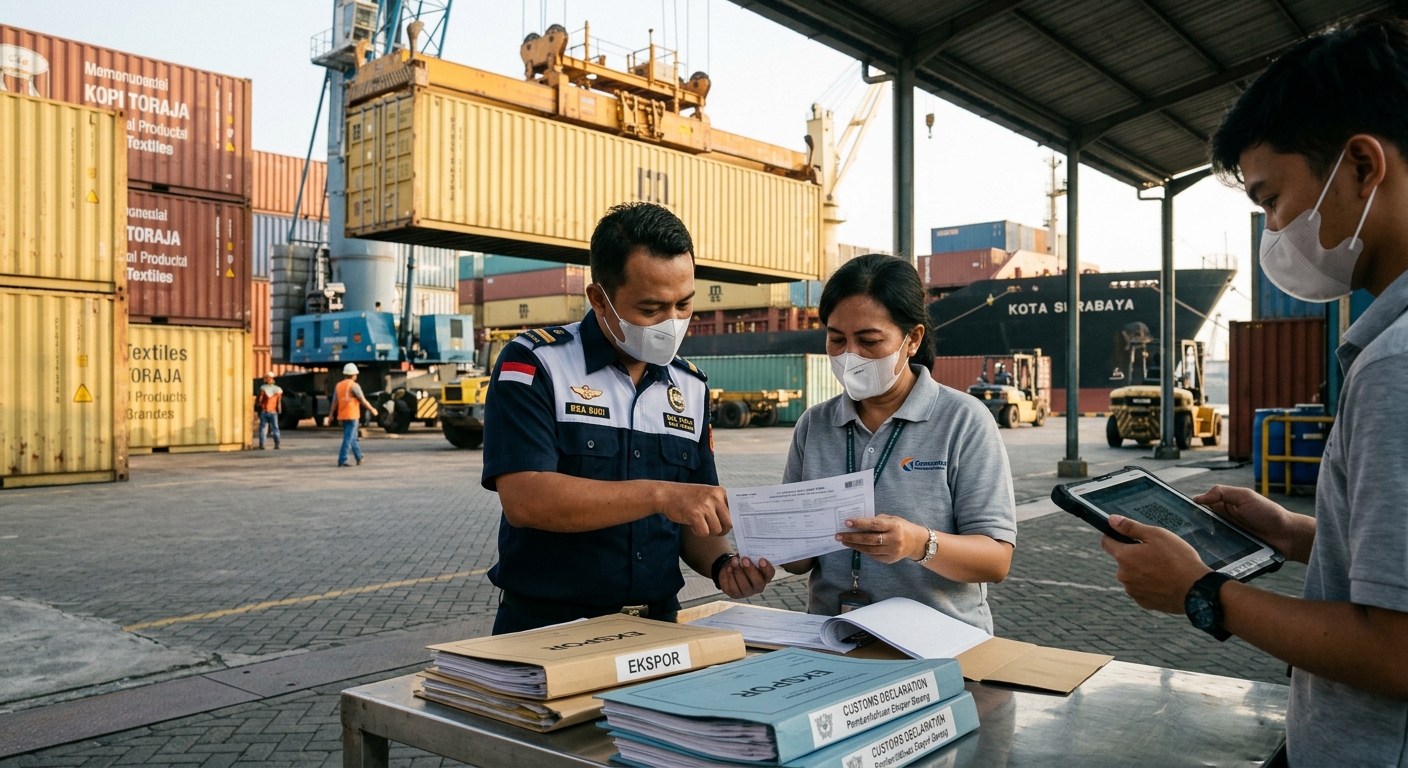
Indonesia, the largest economy in Southeast Asia, offers vast trade opportunities for global markets. From high-demand agricultural products like coconut derivatives to industrial goods and natural resources, the country is a powerhouse of production. However, navigating the bureaucratic landscape of Indonesian customs can be a daunting task for both novice and experienced exporters. To ensure compliance, avoid costly delays, and guarantee smooth operations, businesses must possess a thorough understanding of the country’s export customs clearance process.
This comprehensive guide details the essential steps, key regulatory bodies, required documentation, and strategic tips necessary to master the customs clearance process for Indonesian exports.
The Core Regulatory Framework of Indonesian Exports
In Indonesia, all export activities are overseen by the Directorate General of Customs and Excise (known locally as Direktorat Jenderal Bea dan Cukai), which operates under the Ministry of Finance. Customs officials are tasked with monitoring the flow of goods out of the country, collecting export duties (where applicable), and ensuring that all shipments comply with national and international laws.
Additionally, exporters must interact with the Indonesia National Single Window (INSW) system. The INSW is an electronic portal that integrates all regulatory agencies involved in trade. By standardizing administrative processes, the INSW streamlines document submission, inspection requests, and clearance approvals. For a reliable partnership in navigating these complex regulatory landscapes, many businesses work with experienced trade brokers and consultants like those at exportnusa.com to ensure their documentation is flawless from day one.
Step-by-Step Customs Clearance Workflow
The export customs clearance process in Indonesia is systematic. Following this chronological workflow helps minimize the risk of cargo being detained at the port of departure.
1. Registration and Business Licensing
Before any physical goods can be cleared for export, a company must establish its legal right to export from Indonesia. The business must obtain:
- A Business Identification Number (Nomor Induk Berusaha or NIB), which serves as the basic company registry and replaces the old export license (APE).
- A Taxpayer Identification Number (NPWP).
- Customs Registration (Registrasi Kepabeanan) obtained through the online customs portal.
2. Preparing and Submitting the Export Declaration (PEB)
The cornerstone of the export process is the Pemberitahuan Ekspor Barang (PEB), or Export Goods Declaration. The exporter must draft and submit the PEB electronically via EDI (Electronic Data Interchange) or the INSW portal. This declaration contains details regarding the exporter, consignee, customs broker (if applicable), means of transport, country of destination, and a detailed description of the cargo, including its HS Code (Harmonized System Code).
3. Payment of Export Duty and Taxes
While most goods exported from Indonesia are subject to zero export duty, specific commodities are taxed to protect domestic supply chains or encourage local downstream processing. These goods include raw leather, wood, cocoa beans, palm oil (CPO), and mineral products. Any applicable export duty must be paid to a designated state treasury bank before customs clearance can proceed.
4. Document Examination and Physical Inspection
Once the PEB is submitted, the customs computer system analyzes the data and assigns the shipment to one of three channels based on risk profile, commodity type, and exporter track record:
- Green Channel: The PEB is approved immediately without physical inspection or extensive document review. An Export Approval Letter (NPE) is issued.
- Yellow Channel: A document review is required to verify certificates of origin, licenses, or specific permits before the NPE is granted.
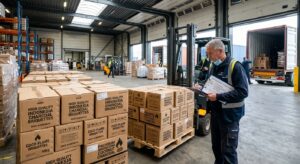
- Red Channel: Both a detailed document review and physical inspection of the cargo are mandatory. This channel is typically reserved for restricted goods, high-risk exporters, or random spot checks.
5. Issuance of the Export Approval Letter (NPE)
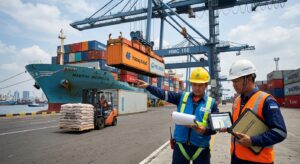
Once customs officials are satisfied that all regulations have been met, taxes paid, and inspections completed, they issue the Nota Pelayanan Ekspor (NPE). This document serves as the official clearance allowing the cargo to enter the customs area of the port and be loaded onto the outbound vessel or aircraft.
Essential Documentation Checklist for Indonesian Exports
Accurate paperwork is the most effective defense against customs delays. Indonesian customs requires a standard set of commercial and transport documents, alongside commodity-specific certificates.
| Document Name | Local/Technical Name | Purpose |
|---|---|---|
| Export Goods Declaration | Pemberitahuan Ekspor Barang (PEB) | Primary declaration submitted electronically to customs. |
| Commercial Invoice | Faktur Komersial | States the transaction value, description, and terms of sale (Incoterms). |
| Packing List | Daftar Kemasan | Details the quantity, weight, dimensions, and packaging type of the cargo. |
| Bill of Lading / Air Waybill | B/L or AWB | The transport contract issued by the carrier showing proof of shipment. |
| Certificate of Origin (Optional) | Surat Keterangan Asal (SKA) | Proves the goods were made in Indonesia, crucial for preferential tariff rates. |
| Taxpayer Identification Number | NPWP | Required for national tax identification and compliance. |
Commodity-Specific Requirements
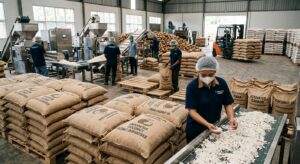
Depending on what you are exporting, additional permits, fumigation certificates, or sanitary approvals may be required. For example, exporting agricultural residues requires strict adherence to international shipping laws. Businesses looking to export organic growing mediums should consult How to Import Cocopeat from Indonesia: A Step-by-Step Guide to understand the phytosanitary certification and physical inspection protocols required for plant-based materials.
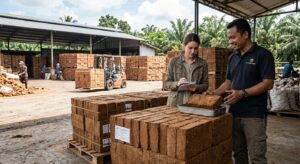
Similarly, high-risk shipments such as compressed materials and flammable items face stringent export evaluations. Exporters dealing in solid fuels must comply with specific safety standards. For a detailed breakdown of these requirements, refer to the Indonesia Charcoal Briquette Export Regulations: A Complete Guide.
Furthermore, sourcing and clearing high-grade materials requires choosing the right trade partners. Understanding the supply chain is critical, especially when dealing with premium goods like Coconut Charcoal Briquettes Wholesale Indonesia: The Premium Choice for Shisha and BBQ, which must be declared accurately under correct HS Codes to pass hazardous materials (HAZMAT) inspections during the customs clearance phase.
Common Pitfalls and How to Avoid Them
Delays in Indonesian customs can result in demurrage fees, spoiled goods, and damaged client relationships. To ensure a seamless process, avoid these common mistakes:
- Incorrect HS Code Classification: Misclassifying your goods can lead to charges of tax evasion, even if accidental. Always double-check the current Indonesian Customs Tariff Book (BTKI).
- Discrepancies in Weight or Quantity: Ensure that the net and gross weights listed on the Packing List match the Bill of Lading and the physical cargo exactly. Differences can trigger a Red Channel classification.
- Expired Permits: Many export permits issued by ministries (such as the Ministry of Trade or Ministry of Agriculture) have strict validity windows. Ensure all supplementary licenses are active at the time the PEB is submitted.
- Failing to Understand Restricted Goods: Indonesia maintains a list of prohibited and restricted exports (known as LARTAS). Attempting to export restricted items without prior ministerial approval can lead to cargo confiscation and legal prosecution.
Conclusion
Mastering the customs clearance process for Indonesian exports requires meticulous planning, precise documentation, and proactive compliance. By understanding the role of the INSW, preparing accurate PEBs, and securing commodity-specific certificates beforehand, exporters can streamline their logistics and maintain a competitive edge in international trade. Engaging professional customs brokers and trusted export partners is often the best strategy to navigate this intricate system and guarantee that your cargo reaches its destination safely and on schedule.
Frequently Asked Questions (FAQ)
What is the PEB in Indonesian exports?
The PEB stands for Pemberitahuan Ekspor Barang, which is the official Export Goods Declaration. It is an electronic document submitted by the exporter to Indonesian Customs detailing the cargo, value, HS code, exporter identity, and destination. It must be approved before goods can legally leave the country.
How long does the customs clearance process take in Indonesia?
For shipments assigned to the Green Channel, customs approval can be granted within a few hours. However, if a shipment is assigned to the Red Channel for physical inspection, the process can take anywhere from 3 to 7 working days, depending on the complexity of the cargo and the availability of customs officers.
Do I need a specific export license for every product I export from Indonesia?
While the basic Business Identification Number (NIB) acts as a general export license, many specific commodities (such as agricultural products, minerals, and wood) require additional specialized permits or recommendations from relevant ministries (e.g., the Ministry of Trade or Ministry of Agriculture) before they can be cleared for export.