

Introduction to the Jakarta to Rotterdam Trade Route
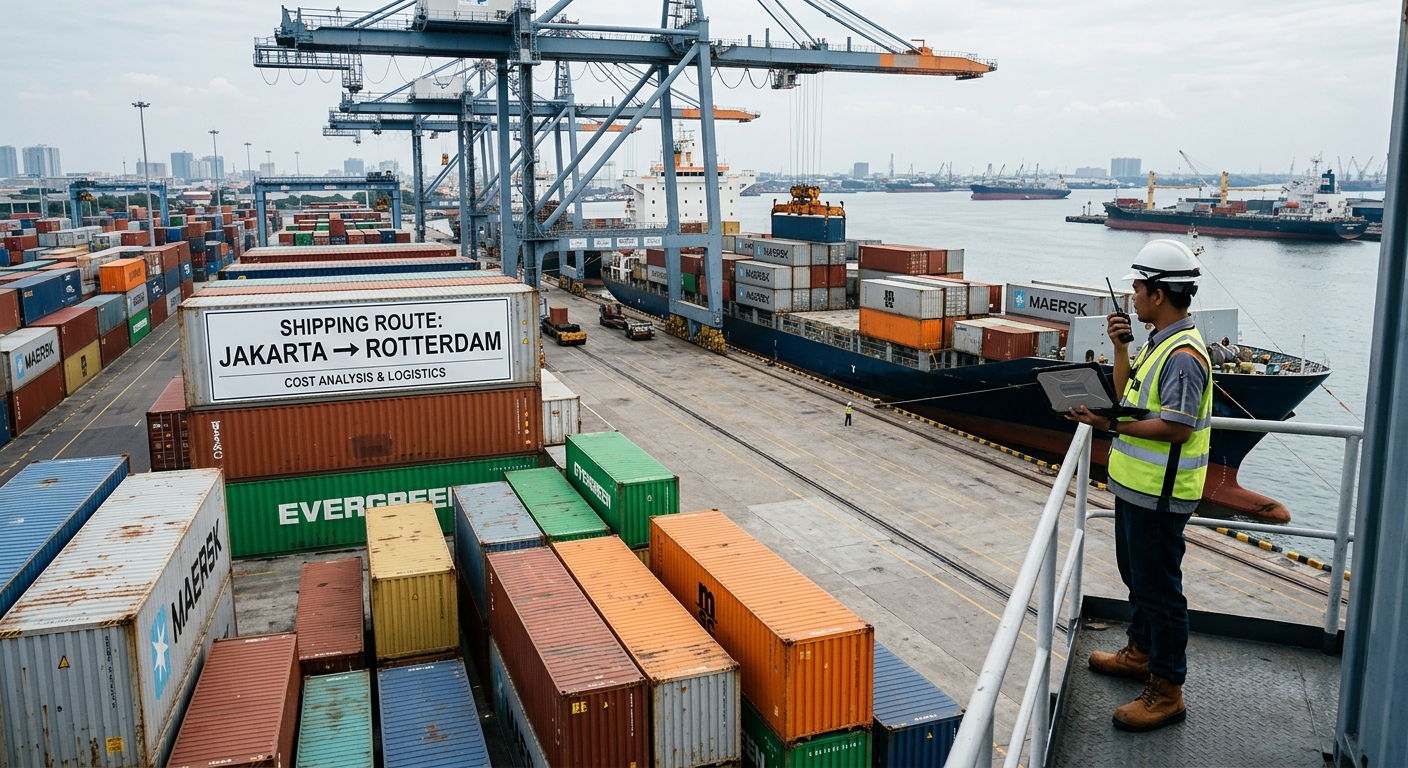
The trade route between Jakarta, Indonesia, and Rotterdam, the Netherlands, is one of the most vital maritime corridors connecting Southeast Asia to Europe. As the Port of Tanjung Priok in Jakarta serves as Indonesia’s busiest and most advanced seaport, and the Port of Rotterdam stands as Europe’s largest logistics hub, understanding the shipping cost from Jakarta to Rotterdam is crucial for global importers, exporters, and supply chain managers.
Whether you are importing raw agricultural materials, handcrafted furniture, or specialized energy products, navigating the complexities of international ocean freight requires a deep understanding of current market dynamics. This comprehensive guide will break down the various factors that influence freight rates, provide estimated costs, and offer strategic advice for optimizing your logistics budget when shipping between these two major economic centers.
Key Factors Influencing Shipping Costs
Shipping costs from Jakarta to Rotterdam are rarely static. They fluctuate based on a complex interplay of global economic conditions, seasonal demands, and operational variables. Understanding these factors can help you forecast your shipping expenses more accurately.
1. Container Type and Volume (FCL vs. LCL)
The most significant determinant of your shipping cost is whether you are shipping a Full Container Load (FCL) or Less than Container Load (LCL). FCL means you rent the entire 20-foot or 40-foot container, which is generally more cost-effective per cubic meter for large shipments. LCL is used for smaller shipments where your goods share container space with other importers. LCL rates are calculated based on volume (cubic meters) or weight, whichever is greater.
2. Fuel Surcharges (BAF)
The Bunker Adjustment Factor (BAF) is a fluctuating surcharge added to the base freight rate to account for the volatility in global oil prices. When crude oil prices spike, ocean carriers pass these costs onto shippers, which can significantly increase the total shipping cost from Jakarta to Rotterdam.
3. Port Surcharges and Handling Fees
Both Tanjung Priok and the Port of Rotterdam levy Terminal Handling Charges (THC) for loading and unloading containers. Additional fees may include documentation fees, customs clearance charges, security fees (ISPS), and port maintenance dues. These localized costs must be factored into your landed cost calculations.
4. Seasonal Demand and Peak Seasons
Ocean freight rates surge during peak shipping seasons. The period leading up to the European holiday season (August to November) typically sees the highest rates due to increased demand for retail goods. Conversely, shipping during the post-holiday slump or immediately after the Lunar New Year can result in more favorable pricing.
Average Sea Freight Costs: What to Expect
While exact prices vary by carrier and current market conditions, it is helpful to have a baseline understanding of standard freight costs. Below is an estimated breakdown of sea freight costs from Jakarta to Rotterdam for standard cargo.
| Shipping Method | Estimated Transit Time | Average Cost Range (USD) |
|---|---|---|
| 20ft Container (FCL) | 25 – 35 Days | $1,500 – $2,500 |
| 40ft Container (FCL) | 25 – 35 Days | $2,200 – $3,800 |
| 40ft High Cube (FCL) | 25 – 35 Days | $2,400 – $4,100 |
| LCL (Per Cubic Meter) | 30 – 40 Days | $80 – $150 per CBM |
Note: The prices listed above are estimates for base port-to-port ocean freight only and do not include inland transportation, customs duties, insurance, or origin/destination handling charges.
Optimizing Costs Based on Popular Import Commodities
The type of goods you are shipping often dictates your logistics strategy. Indonesia is renowned for exporting several high-demand commodities to the European market, each requiring specific considerations to keep shipping costs manageable.
Importing Indonesian Furniture
Indonesian teak and rattan furniture are highly prized in Europe. However, furniture is inherently bulky, meaning container space optimization is critical. Shippers often struggle with deciding between LCL and FCL for initial trial runs. Before you book a massive 40-foot container for your retail business, it is highly recommended to read Understanding Minimum Order Quantity for Indonesian Furniture: A Guide for Importers. Grasping MOQ requirements can help you consolidate shipments effectively, reducing dead space and lowering your per-unit shipping cost.
Shipping Coconut Charcoal Briquettes
Another massive export from Indonesia to Europe is coconut shell charcoal, used extensively for shisha and barbecues. Because this product is dense and heavy, shippers usually max out the weight limit of a 20ft container long before they fill the physical space. If you are planning to enter this lucrative market, thorough supplier vetting is just as important as freight booking. We suggest reviewing A Complete Guide to Choosing a Bulk Coconut Charcoal Supplier in Indonesia to ensure you are dealing with a legitimate factory that understands international shipping weight limits.
Furthermore, how your charcoal is packaged directly impacts how much you can fit into a container, which in turn affects your shipping cost per kilogram. Implementing a smart OEM packaging strategy allows you to palletize goods efficiently, expediting handling times at the Port of Rotterdam. For deep insights into maximizing container loads through clever boxing and branding, check out Custom Packaging Coconut Charcoal OEM: A Comprehensive Guide.
Agricultural Goods and Cocopeat
The Netherlands is an agricultural powerhouse, relying heavily on imported growing mediums to support its massive greenhouse industry. Cocopeat (coconut coir) shipped from Jakarta is a staple import. Since cocopeat is shipped in compressed blocks, it is highly efficient for sea freight. However, understanding the base cost of the material is essential to calculating your total landed cost in Rotterdam. To explore current market rates for this commodity, you can reference Indonesia Cocopeat Supplier Bulk Price: Your Guide to Premium Growing Mediums.
Air Freight vs. Sea Freight
While this guide focuses heavily on ocean freight due to the geographic distance between Jakarta and Rotterdam, air freight remains an option for highly time-sensitive or high-value cargo. Flights from Soekarno-Hatta International Airport (CGK) to Amsterdam Airport Schiphol (AMS)—which serves as the air gateway to Rotterdam—take only a few days.
However, air freight is exponentially more expensive, often costing between $5 to $10 per kilogram. This makes it financially unviable for heavy or bulky goods like furniture, charcoal, or agricultural products. Air freight should be reserved strictly for urgent samples, electronics, or crucial manufacturing components where transit speed outweighs the logistical expense.
Customs Clearance and Duties in Rotterdam
When your cargo arrives in Rotterdam, the shipping cost is only part of the financial equation. Importers must also navigate Dutch customs (Douane). Goods entering the European Union from Indonesia are subject to the Common Customs Tariff. You will need to present a commercial invoice, packing list, Bill of Lading, and a Certificate of Origin to clear your goods.
Additionally, Value Added Tax (VAT) is applicable on the CIF (Cost, Insurance, and Freight) value of the goods. Partnering with a reliable customs broker in Rotterdam is highly advisable to prevent costly demurrage and detention charges that can accrue if your container is held up due to improper documentation.
Conclusion
Calculating the exact shipping cost from Jakarta to Rotterdam involves analyzing multiple variables, including container type, seasonal demand, port fees, and the specific nature of your cargo. By understanding the nuances of FCL and LCL shipping, keeping an eye on fluctuating bunker adjustment factors, and optimizing your packaging for spatial efficiency, you can significantly reduce your logistics overhead. Always remember to partner with experienced freight forwarders and secure comprehensive marine insurance to protect your investment as it makes its way from the bustling ports of Indonesia to the massive logistical networks of the Netherlands.
Frequently Asked Questions (FAQ)
How long does it take to ship a container from Jakarta to Rotterdam?
The transit time for a container vessel traveling from the Port of Tanjung Priok in Jakarta to the Port of Rotterdam typically ranges between 25 to 35 days, depending on the carrier’s specific route, weather conditions, and port congestion along the way.
Are there direct shipping routes from Jakarta to Rotterdam?
While there are major shipping lines that offer direct services, many routes involve transshipment through mega-hubs like Singapore or Port Klang in Malaysia. A transshipment route might add a few days to the total transit time but can sometimes offer more competitive freight rates.
What are Demurrage and Detention charges?
Demurrage is a fee charged by the shipping line for leaving your imported container at the port in Rotterdam beyond the allotted free days. Detention is a fee charged for keeping the empty container outside the port longer than agreed before returning it. It is crucial to process customs and empty your cargo quickly to avoid these steep penalties.
Do I need a customs broker to import goods into Rotterdam?
While it is not legally mandated for an individual to use a customs broker, it is highly recommended for commercial imports. A licensed customs broker will ensure that your HS codes are accurate, duties are calculated correctly, and your goods pass through European Union customs without unnecessary delays or fines.