

Introduction to Shisha Charcoal Briquettes from Indonesia
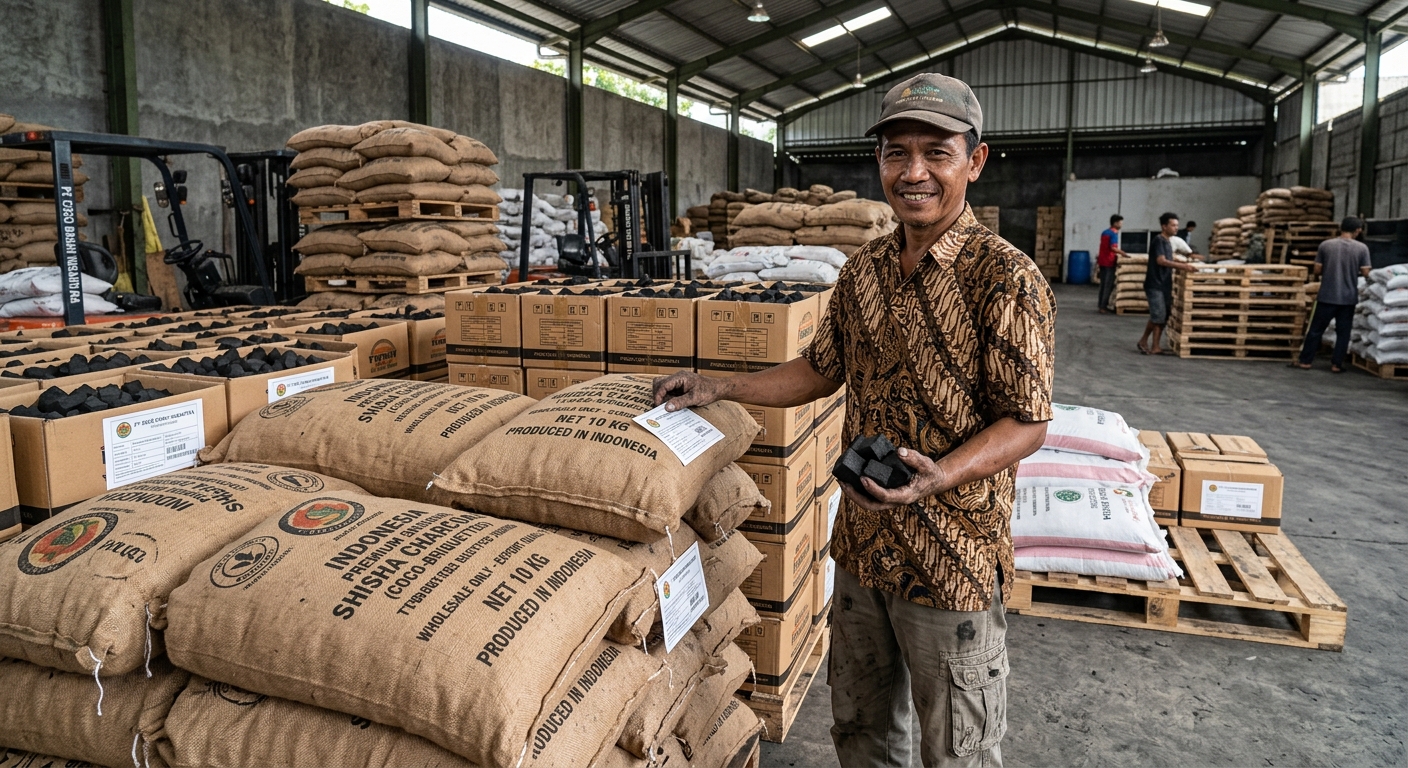
Indonesia is globally recognized as a powerhouse when it comes to producing high-quality shisha charcoal briquettes. The country’s abundant natural resources, particularly coconut shells, provide the perfect raw material for manufacturing these essential products. For businesses looking to source shisha charcoal briquettes wholesale indonesia, understanding the market, production processes, and logistics is crucial for success.
The demand for premium shisha charcoal has surged worldwide, driven by the growing popularity of hookah culture. Buyers are constantly seeking charcoal that offers long burn times, low ash content, and no foul odors. Indonesian manufacturers have risen to this challenge, producing some of the best briquettes available on the international market.
The Manufacturing Process of Premium Shisha Charcoal
The journey of creating top-tier shisha charcoal begins with the selection of raw materials. Most high-quality briquettes from Indonesia are made from 100% natural coconut shells. This material is preferred over hardwood because it burns cleaner, hotter, and longer, without imparting any unwanted flavors to the shisha tobacco.
Carbonization and Grinding
Once the coconut shells are collected, they undergo a carbonization process. This involves burning the shells in a low-oxygen environment to remove moisture and volatile compounds, resulting in pure charcoal. The carbonized shells are then crushed and ground into a fine powder. This fine consistency is essential for producing dense, durable briquettes.
Mixing and Molding
The charcoal powder is mixed with a natural binder, typically tapioca starch, to hold the shape. Water is added to create a dough-like consistency. The mixture is then fed into an extrusion machine or a molding press to form the desired shapes, such as cubes, flats, or hexagonal logs. The precision in molding ensures consistent sizing, which is vital for end-users.
Drying and Packaging
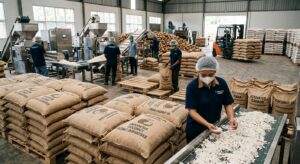
After molding, the briquettes are dried in industrial ovens for up to 24 hours to reduce the moisture content to below 5%. This step is critical to prevent the charcoal from cracking during use. Finally, the dried briquettes are packaged into inner boxes and master cartons, ready for export. For an in-depth look at premium options, check out Coconut Charcoal Briquettes Wholesale Indonesia: The Premium Choice for Shisha and BBQ.
Quality Control in Wholesale Procurement
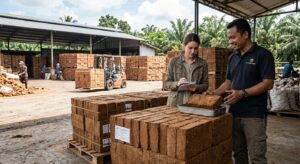
When sourcing shisha charcoal briquettes wholesale indonesia, quality control is non-negotiable. Importers must establish clear specifications with their suppliers to ensure consistency across shipments. Key parameters to monitor include:
- Ash Content: Premium shisha charcoal should have an ash content of less than 2.5%. High ash content indicates impurities and can affect the flavor of the shisha.
- Moisture Content: Moisture levels should be strictly below 5% to ensure easy ignition and prevent popping.
- Volatile Matter: Lower volatile matter means less smoke and a cleaner burn.
- Fixed Carbon: A high fixed carbon percentage (typically over 80%) guarantees a longer burn time and higher heat output.
Working with reputable manufacturers who provide laboratory test reports from independent testing agencies can help mitigate risks associated with poor quality.
Logistics and Shipping Strategies
Shipping large quantities of charcoal briquettes internationally involves navigating complex logistics. Because charcoal is often classified as a hazardous material (self-heating), specific safety regulations and documentation are required for sea freight.
Understanding Shipping Routes and Costs
Cost-effective shipping is vital for maintaining competitive pricing. Importers must analyze various shipping routes and negotiate rates with freight forwarders. For instance, European buyers sourcing from Indonesia should familiarize themselves with a Comprehensive Guide to Shipping Costs from Jakarta to Rotterdam to accurately forecast landed costs and optimize their supply chain.
Managing Minimum Order Quantities (MOQ)
Most Indonesian manufacturers require buyers to meet a Minimum Order Quantity, typically a 20-foot container, to ensure production efficiency. While the dynamics of MOQs can vary between industries, the underlying principles remain similar. For broader context on how MOQs function in Indonesian exports, reading about Understanding Minimum Order Quantity for Indonesian Furniture: A Guide for Importers can provide valuable insights into negotiation and inventory planning.
International Trade Agreements and Tariffs
Understanding the legal and financial frameworks governing international trade is crucial for importers. Trade agreements between Indonesia and destination countries can significantly impact the final cost of goods through tariff reductions or exemptions.
For European buyers, the evolving trade relationship between Indonesia and the European Union is of particular importance. Staying informed about regulations such as the Understanding IEU CEPA Trade Agreement Tariffs: A Comprehensive Guide can help businesses leverage preferential tariffs, making Indonesian shisha charcoal even more competitive in the European market.
Comparing Charcoal Shapes and Specifications
Shisha charcoal briquettes are available in various shapes and sizes to cater to different regional preferences and shisha setups. The table below outlines the most common specifications:
| Shape | Size (mm) | Pieces per Kg | Common Market |
|---|---|---|---|
| Cube | 25x25x25 | 72 | Global / Europe |
| Cube | 26x26x26 | 64 | Global / Europe |
| Flat | 25x25x15 | 108 | Middle East |
| Hexagonal | 20×50 | ~60 | South America |
Choosing the right specification depends heavily on the target demographic of the importer. Cubes are currently the most popular worldwide due to their stability on top of shisha bowls and consistent heat distribution.
Conclusion
Sourcing shisha charcoal briquettes wholesale indonesia offers a tremendous opportunity for businesses in the hookah industry. Indonesia’s unparalleled access to premium coconut shells, combined with advanced manufacturing techniques, ensures a product that meets the highest global standards. However, success in this venture requires a thorough understanding of the production process, stringent quality control, and strategic management of logistics and trade regulations. By partnering with reliable suppliers and staying informed about shipping costs and international trade agreements, importers can build a profitable and sustainable supply chain for premium shisha charcoal.
Frequently Asked Questions (FAQ)
Why is Indonesian coconut charcoal considered the best for shisha?
Indonesian coconut charcoal is highly regarded because it burns hotter, lasts longer, and produces less ash compared to wood-based charcoal. More importantly, it is tasteless and odorless, which means it does not interfere with the flavor of the shisha tobacco.
What are the storage requirements for bulk shisha charcoal?
Shisha charcoal briquettes should be stored in a cool, dry place away from direct sunlight and moisture. Exposure to humidity can increase the moisture content of the briquettes, making them difficult to light and reducing their burn time. Pallets should be kept off the ground to prevent moisture absorption.
How long does it take to manufacture and ship a container of charcoal?
The production lead time for a 20-foot container of shisha charcoal is typically 2 to 4 weeks, depending on the manufacturer’s schedule and the availability of raw materials. Shipping times vary by destination, but a voyage from Indonesia to Europe or the Americas generally takes between 30 to 45 days.