

Introduction to Indonesia’s Organic Agriculture
Indonesia, an archipelago comprising over 17,000 islands, is blessed with fertile volcanic soil, a tropical climate, and immense biodiversity. These natural advantages make it a powerhouse for agricultural production. In recent years, the global shift towards sustainable and health-conscious consumption has accelerated the demand for organic agricultural products. Sourcing organic agricultural products from Indonesia offers international buyers access to premium quality commodities, ranging from exotic spices and specialty coffee to versatile coconut derivatives.
As the international market for organic goods expands, Indonesia has adapted by implementing stricter organic farming practices and obtaining international certifications. This comprehensive guide will explore the benefits, key products, logistical considerations, and best practices for successfully sourcing organic agricultural products from this dynamic Southeast Asian nation.
Why Source Organic Products from Indonesia?
Choosing Indonesia as a sourcing destination for organic products presents numerous strategic advantages for global businesses. The combination of favorable environmental conditions and an evolving agricultural sector creates a unique value proposition.
Unmatched Soil Fertility and Climate
The volcanic nature of many Indonesian islands, particularly Java and Sumatra, provides soil that is naturally rich in essential minerals. This reduces the need for synthetic fertilizers, making the transition to organic farming more seamless for local farmers. The consistent tropical climate allows for year-round harvesting of many crops, ensuring a steady supply chain.
Competitive Pricing and Value
Despite the premium nature of organic products, Indonesia offers highly competitive pricing compared to other agricultural hubs. The relatively low cost of labor and government initiatives aimed at boosting agricultural exports help maintain attractive price points for international buyers. When sourcing in bulk, businesses can achieve excellent profit margins without compromising on quality.
Top Organic Agricultural Products to Source
Indonesia’s agricultural portfolio is vast, but certain commodities stand out in the organic sector due to their superior quality and high global demand.
1. Organic Spices and Herbs
Historically known as the Spice Islands, Indonesia remains a top producer of high-quality spices. Organic vanilla, cloves, nutmeg, cinnamon, and turmeric are highly sought after by culinary and pharmaceutical industries globally. Indonesian organic spices are prized for their potent aroma, high essential oil content, and sustainable cultivation methods.
2. Specialty Organic Coffee and Cocoa
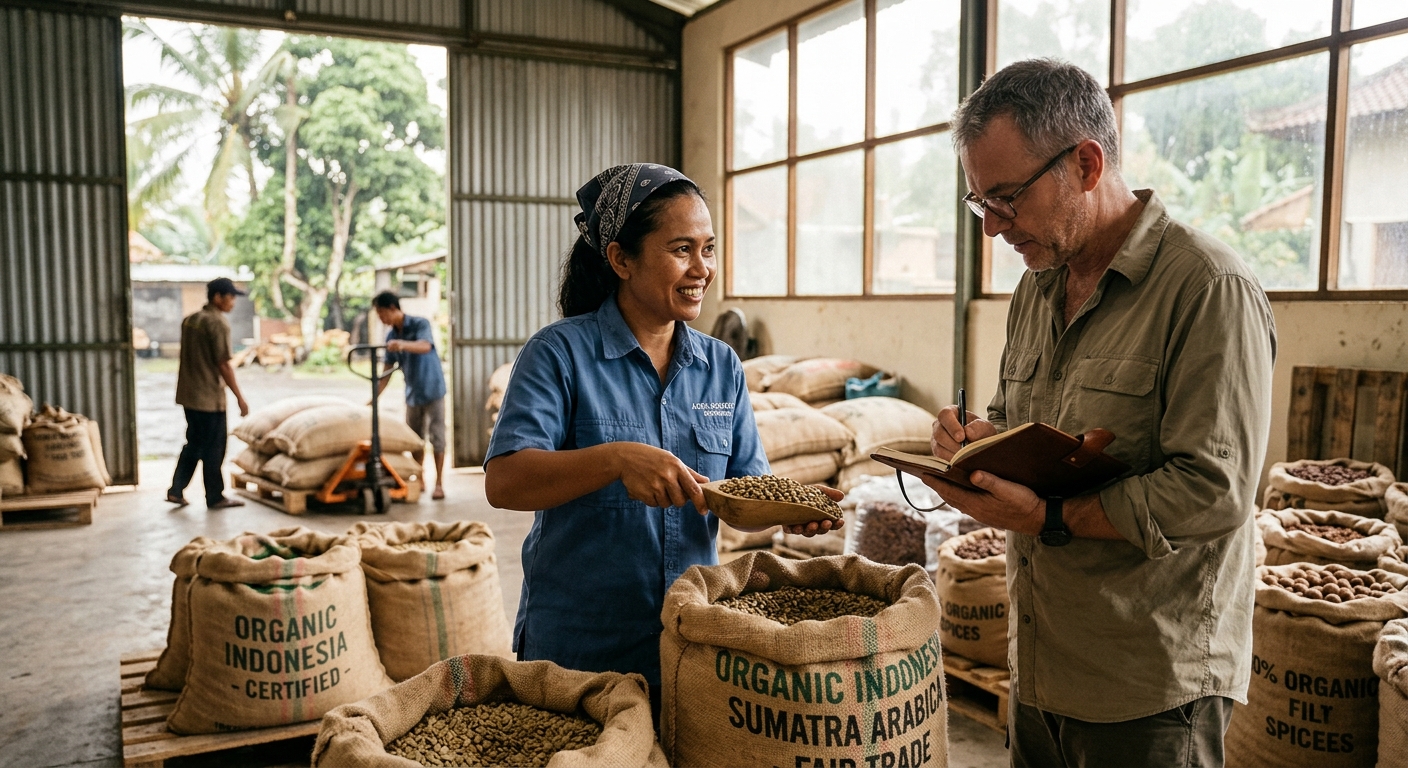
Indonesian coffee, particularly varieties from Sumatra, Java, and Bali, is world-renowned. The country’s shade-grown, organic Arabica and Robusta beans offer unique flavor profiles that appeal to specialty coffee roasters. Similarly, organic Indonesian cocoa is gaining traction among premium chocolate manufacturers who prioritize fair trade and organic certifications.
3. Organic Coconut and Coconut By-Products
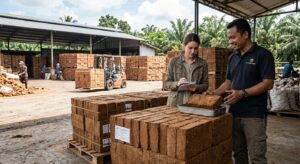
The coconut tree is often referred to as the ‘Tree of Life’ in Indonesia, given its myriad uses. Indonesia is one of the world’s largest producers of coconuts. Buyers source organic coconut oil, coconut sugar, desiccated coconut, and coconut water. Furthermore, agricultural waste from coconut farming has birthed a lucrative by-product industry: coconut shell charcoal. Finding reputable suppliers for these specific derivatives is crucial, which is why buyers often rely on resources like the Comprehensive Guide to Coconut Charcoal Briquettes Manufacturers in Indonesia.
Navigating the Coconut Charcoal Market
While discussing agricultural sourcing, it is impossible to ignore the massive export market for coconut shell charcoal, a direct byproduct of the organic coconut industry. Used extensively for shisha and barbecue, this eco-friendly alternative to wood charcoal is highly profitable.
Understanding the pricing dynamics of this specific commodity is essential for procurement managers. To ensure you are getting fair market value, it is highly recommended to consult the FOB Price Coconut Charcoal Indonesia: A Comprehensive Guide. This resource provides critical insights into the variables that affect Free On Board pricing, helping you negotiate better terms with local manufacturers.
Furthermore, the physical process of bringing these goods into your home country involves strict adherence to customs regulations. Knowing the exact documentation, quality inspections, and logistical hurdles is paramount. For a step-by-step breakdown of this process, buyers should review How to Import Charcoal from Indonesia: A Complete Guide, which outlines the essential compliance requirements.
Logistics and Shipping Strategies
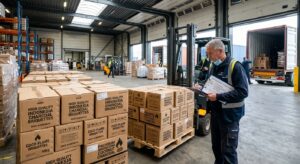
Sourcing organic products is only half the battle; transporting them efficiently and safely across the globe is equally critical. Indonesia’s geography requires robust maritime logistics. Most agricultural exports depart from major ports such as Tanjung Priok in Jakarta, Tanjung Perak in Surabaya, or Belawan in Medan.
Choosing the Right Freight Forwarder
Partnering with an experienced freight forwarder who understands the nuances of exporting agricultural products is vital. They will manage customs clearance, warehousing, and inland transportation. For businesses importing to North America, optimizing your shipping route is a major cost-saving measure. To understand the best carriers and transit times, you should read the Comprehensive Guide to Sea Freight Shipping Lines from Indonesia to the USA.
Shipping Considerations for Organic Goods
- Temperature Control: Products like organic coffee, cocoa, and certain spices require climate-controlled containers (reefers) to prevent moisture damage and preserve quality.
- Contamination Prevention: Organic products must be shipped in sanitized containers to ensure they do not come into contact with prohibited chemical residues from previous shipments.
- Moisture Management: High humidity in Indonesia means moisture control through desiccants and proper ventilation is critical during sea transit.
Certifications and Quality Assurance
When sourcing organic products, verifiable certifications are the cornerstone of consumer trust. You must ensure that your Indonesian suppliers comply with the organic standards recognized in your target market (such as USDA Organic, EU Organic, or JAS).
| Certification Entity | Market Recognized | Focus Area |
|---|---|---|
| USDA Organic | United States | No synthetic fertilizers, specific soil quality standards |
| EU Organic Logo | European Union | Strict ecological processing, no GMOs |
| JAS (Japanese Agricultural Standard) | Japan | Rigorous inspection of production and processing methods |
| SNI (Indonesian National Standard) | Domestic / International | Baseline quality and safety standards for Indonesian exports |
Always request updated certification documents and consider hiring third-party inspection agencies (such as SGS or Bureau Veritas) to conduct pre-shipment inspections. This guarantees that the organic integrity of the agricultural products is maintained from the farm to the port.
Building Strong Supplier Relationships
In Indonesia, business is deeply personal. Building strong, long-term relationships with suppliers yields better pricing, priority during peak harvest seasons, and a higher commitment to quality. Here are a few tips for fostering successful partnerships:
- Visit the Farms: Whenever possible, travel to Indonesia to meet your suppliers face-to-face. Touring the organic farms and processing facilities demonstrates your commitment and allows you to audit their practices firsthand.
- Understand the Culture: Respecting Indonesian business etiquette, which values harmony, patience, and indirect communication, goes a long way in negotiations.
- Establish Clear Contracts: Ensure all expectations regarding quality parameters, moisture content, packaging, and delivery timelines are explicitly stated in written contracts.
Conclusion
Sourcing organic agricultural products from Indonesia is a highly rewarding endeavor that offers access to world-class commodities like coffee, spices, and versatile coconut products. By leveraging Indonesia’s rich volcanic soils and competitive market, global buyers can secure premium organic goods that appeal to today’s eco-conscious consumers. Success in this market requires a deep understanding of logistics, strict adherence to organic certifications, and a commitment to building strong, respectful relationships with local suppliers. With diligent research and the right strategic partnerships, your business can build a resilient and profitable organic supply chain originating from the heart of Southeast Asia.
Frequently Asked Questions
What are the most popular organic products to source from Indonesia?
The most popular organic agricultural products sourced from Indonesia include specialty coffee (Arabica and Robusta), raw cacao, essential spices like vanilla and cinnamon, and various coconut products, including virgin coconut oil and coconut sugar.
How do I verify if an Indonesian supplier is truly organic?
To verify an organic supplier, you should request current, internationally recognized certificates such as USDA Organic or EU Organic. Additionally, utilizing third-party auditing firms to conduct on-site inspections and lab testing of product samples ensures compliance with global organic standards.
What are the typical payment terms when sourcing from Indonesia?
Payment terms vary depending on the supplier relationship, but typical arrangements include a Telegraphic Transfer (T/T) with a 30% to 50% down payment upon order confirmation, and the balance paid against the copy of the Bill of Lading. For larger transactions, Letters of Credit (L/C) are commonly used to mitigate risk for both parties.
How long does sea freight shipping take from Indonesia to the USA?
Sea freight transit times from major Indonesian ports to the USA generally range from 25 to 40 days, depending on whether the shipment is routed to the West Coast (e.g., Los Angeles) or the East Coast (e.g., New York), as well as the specific shipping line and transshipment hubs used.