

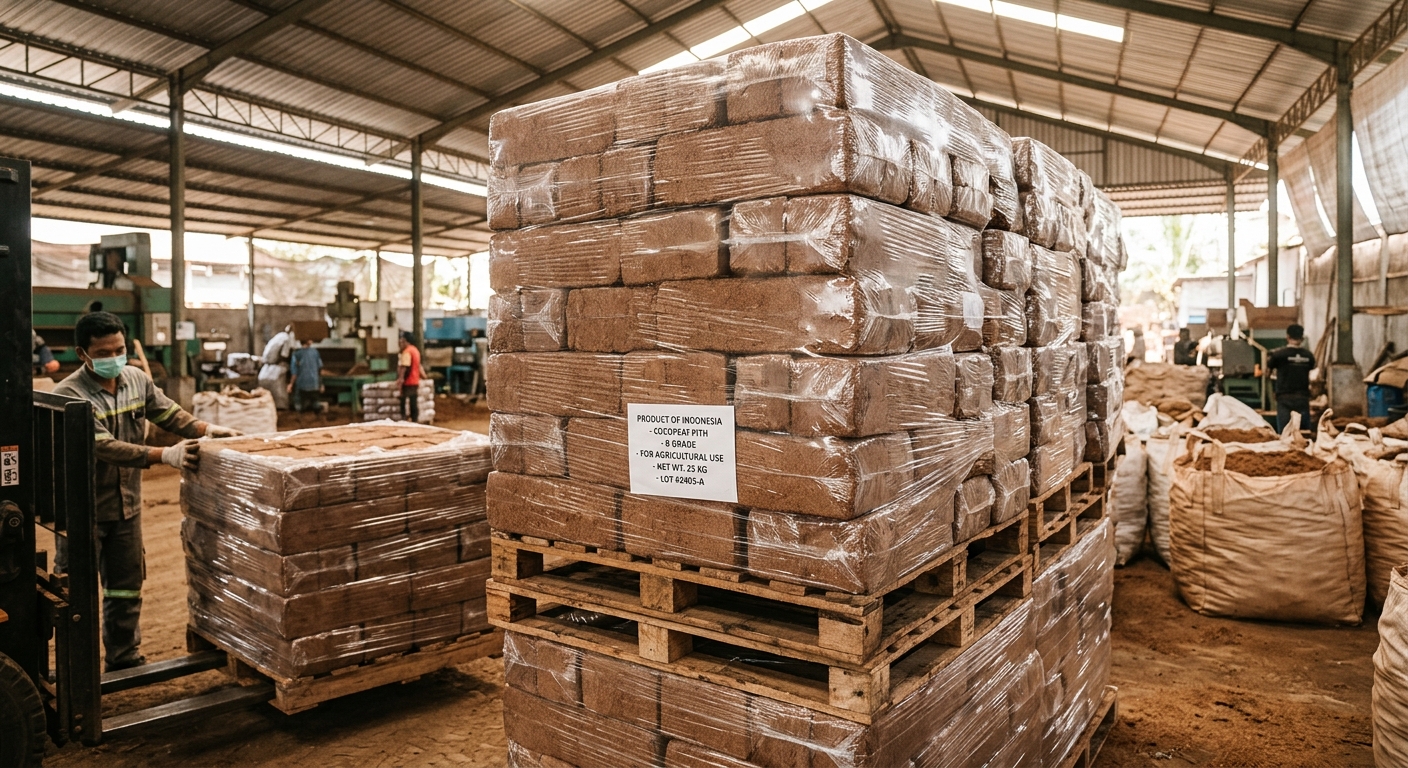
Introduction to Cocopeat Pith from Indonesia
As the global agriculture and horticulture industries continue to seek sustainable and efficient growing mediums, the demand for cocopeat pith has surged. Indonesia, with its vast agricultural resources and extensive coconut plantations, has emerged as a leading player in the bulk supply of cocopeat pith. This natural, eco-friendly product, derived from coconut husks, offers unparalleled water retention and aeration properties, making it a favorite among commercial growers and soil mix manufacturers worldwide.
Sourcing cocopeat in bulk requires a deep understanding of the product’s specifications, the logistics involved in international shipping, and the regulatory frameworks governing trade. Whether you are an importer looking for reliable suppliers or a business expanding your agricultural product line, understanding the Indonesian market is crucial.
Why Choose Indonesian Cocopeat Pith?
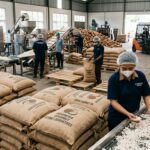
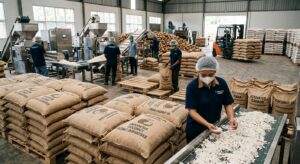
Indonesia’s tropical climate provides the perfect environment for year-round coconut cultivation. This consistency ensures a steady and large-scale supply of cocopeat pith. The material is renowned for its low electrical conductivity (EC) and optimal pH levels, which are critical factors for plant growth. Furthermore, Indonesian suppliers have heavily invested in modern processing facilities to wash, dry, and compress the pith into manageable blocks, ensuring the final product meets international quality standards.
Environmental Benefits
Cocopeat pith is a 100% organic and renewable resource. Utilizing it helps reduce the reliance on peat moss, whose extraction has significant environmental impacts. By choosing Indonesian cocopeat, buyers are supporting sustainable agricultural practices. Interestingly, the robust coconut industry in Indonesia also produces other high-demand products. For instance, the same regions that produce cocopeat are often home to an Indonesia Coconut Charcoal Shisha Factory: The Ultimate Guide, showcasing the complete utilization of the coconut.
Understanding the Grading and Specifications
When purchasing cocopeat in bulk, it is essential to understand the different grades available. The grading typically depends on the EC level, moisture content, and expansion volume.
- Low EC Cocopeat: Washed thoroughly to remove excess salts. Ideal for seed germination and hydroponics.
- High EC Cocopeat: Unwashed or partially washed. Generally used as animal bedding or for crops that tolerate higher salinity.
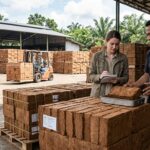
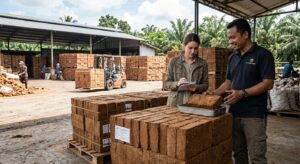
- Expansion Ratio: High-quality Indonesian cocopeat blocks (usually 5kg) can expand up to 75 liters when hydrated.
Proper specification checks are vital to ensure the product aligns with your end-use requirements.
Logistics and Shipping from Indonesia
Transporting bulk commodities like cocopeat pith requires efficient logistics. Most bulk exports from Indonesia are shipped via major ports such as Jakarta, Surabaya, or Semarang. Understanding freight logistics is critical to managing costs. For detailed insights on shipping expenses from one of Indonesia’s busiest ports, you should consult this Comprehensive Guide to Freight Cost Per Container from Surabaya.
Packaging Options
Cocopeat is generally compressed to save space and reduce shipping costs. The common packaging formats include:
| Format | Weight | Application |
|---|---|---|
| 5kg Blocks | 5 kg | Retail, commercial nurseries, and potting soil mixing |
| 650g Briquettes | 650 g | Retail and home gardening |
| Grow Bags | Variable | Direct planting for hydroponic greenhouse crops |
Trade Agreements and Tariffs
International trade is heavily influenced by tariffs and trade agreements. European importers looking to source cocopeat and other coconut-based products from Indonesia can benefit significantly from ongoing trade negotiations. To understand how these agreements might impact your import duties, refer to the Comprehensive Guide to IEU CEPA Tariff Rates for European Importers. Such knowledge can provide a competitive edge in pricing your imported goods.
Finding the Right Supplier
Finding a reliable supplier for bulk cocopeat pith involves verifying their production capacity, quality control measures, and export experience. It is similar to sourcing other specialized products from the region; for example, reading A Complete Guide to Choosing a Premium Shisha Charcoal Supplier in Indonesia can offer transferable insights into vetting Indonesian manufacturers for consistency and reliability.
Conclusion
The bulk supply of cocopeat pith from Indonesia presents a lucrative opportunity for global agricultural and horticultural markets. With its superior quality, eco-friendly nature, and the country’s immense production capacity, Indonesian cocopeat stands out as a premier growing medium. By understanding the logistics, grading, and relevant trade agreements, importers can build successful and sustainable supply chains that benefit both their businesses and the environment.
Frequently Asked Questions
What makes Indonesian cocopeat different from other origins?
Indonesian cocopeat is known for its consistent quality due to the ideal tropical climate and modern processing techniques that ensure low EC and high expansion ratios.
How is bulk cocopeat shipped?
It is typically compressed into 5kg blocks, palletized, and shipped in standard 20ft or 40ft High Cube containers to maximize space and minimize freight costs.
Can cocopeat be reused?
Yes, cocopeat is highly durable and can often be reused for multiple growing cycles if it is properly sterilized and treated between uses.