

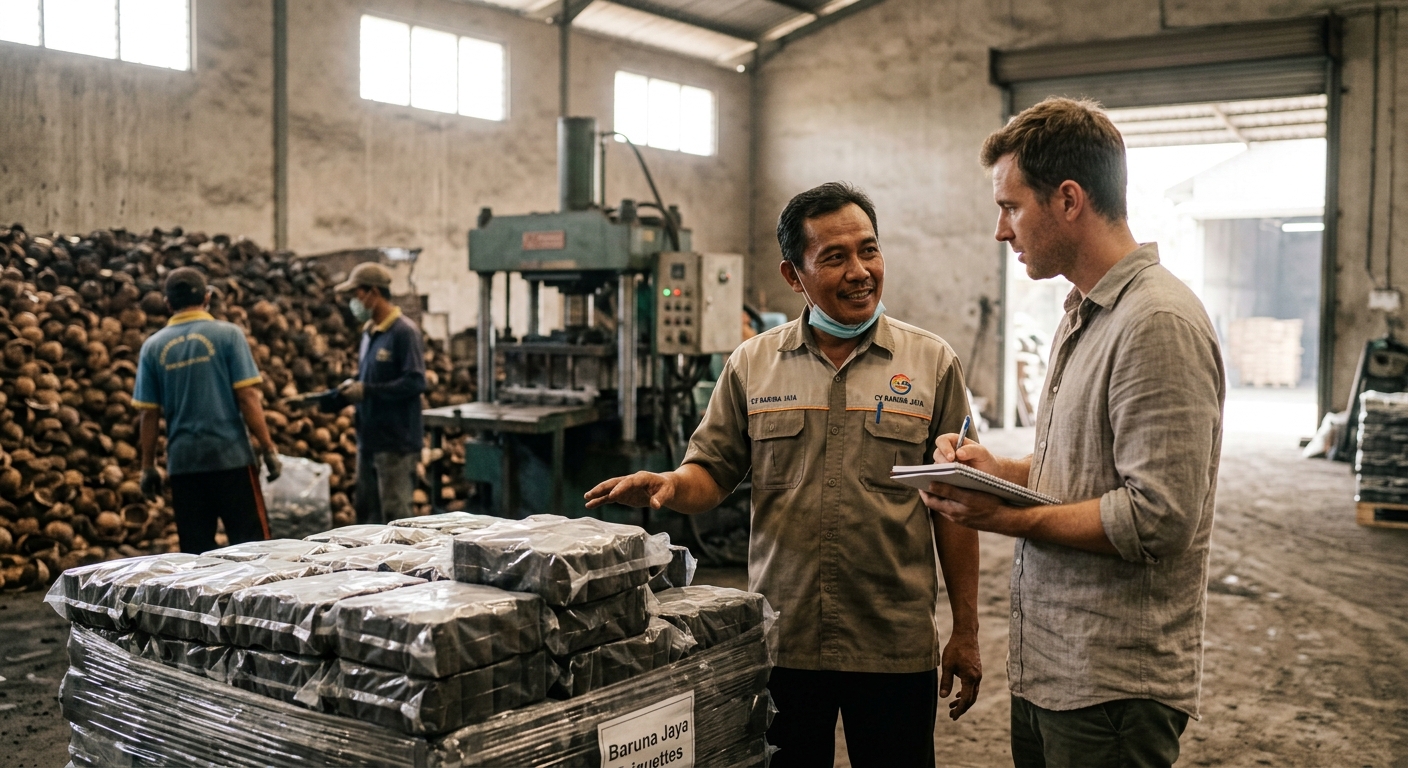
Introduction to Shisha Charcoal Briquette Manufacturing in Indonesia
Indonesia has long been recognized as a global powerhouse in the production of high-quality coconut shell charcoal briquettes. As the demand for premium shisha (hookah) experiences grows worldwide, enthusiasts and lounge owners alike seek out the best materials to ensure a clean, long-lasting, and odorless burn. Finding a reliable shisha charcoal briquette manufacturer indonesia is essential for businesses looking to import top-tier products. The country’s abundant coconut resources and advanced manufacturing processes make it the ideal sourcing destination.
Why Choose Indonesian Coconut Charcoal?
Coconut shell charcoal is widely considered the gold standard for shisha. Unlike quick-light charcoals or wood-based alternatives, premium Indonesian coconut briquettes offer distinct advantages. They are 100% natural, produce minimal ash, and emit no foul odors or flavors that could ruin the shisha experience.
Key Benefits of Indonesian Briquettes
- High Heat and Long Burn Time: Indonesian charcoal briquettes burn significantly hotter and longer than alternatives, often lasting over two hours.
- Low Ash Content: Premium briquettes leave behind less than 2.5% ash, ensuring a cleaner hookah session.
- Chemical-Free: Authentic manufacturers do not use synthetic binding agents or chemical additives.
The Manufacturing Process
Understanding how a shisha charcoal briquette manufacturer in Indonesia operates can help buyers appreciate the quality of the final product. The process begins with sourcing high-quality coconut shells, typically from regions like Sulawesi, Sumatra, and Java.
1. Carbonization
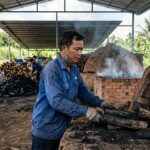
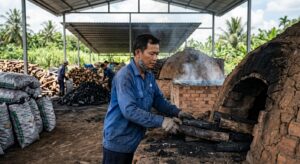
The coconut shells are cleaned and burned in controlled environments to create charcoal. This process, known as carbonization, is crucial for determining the fixed carbon content of the briquettes.
2. Crushing and Mixing
Once carbonized, the charcoal is crushed into a fine powder. It is then mixed with a natural binder, usually tapioca starch, to help the briquettes hold their shape without adding any unwanted flavors.
3. Molding and Drying
The mixture is extruded or pressed into various shapes, such as cubes, flats, or hexagons. Finally, the briquettes are dried in industrial ovens to reduce moisture content to an optimal level, usually below 5%.
Sourcing and Exporting from Indonesia
When you are ready to import, partnering with the right suppliers and understanding the export process is paramount. Companies like ExportNusa services can provide valuable assistance in navigating the complexities of international trade.
For those looking to diversify their imports from Indonesia, the country offers a wealth of agricultural products. For instance, you might be interested in Bulk Supply of Cocopeat Pith from Indonesia: A Complete Guide to complement your agricultural or gardening supply business. Additionally, coffee importers can find great value in reading The Complete Guide on How to Import Coffee from Indonesia.
Navigating Export Regulations
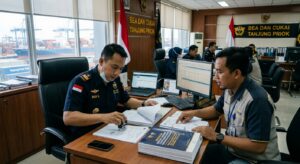
Exporting charcoal requires strict adherence to international shipping regulations, as charcoal is often classified as a dangerous good due to its combustible nature. It is crucial to have the correct paperwork in place. To understand the intricacies of this, we recommend reading A Complete Guide to Export Documentation for Shipping from Indonesia. Proper documentation ensures smooth customs clearance and prevents costly delays.
Evaluating a Manufacturer
Not all manufacturers maintain the same quality standards. When selecting a shisha charcoal briquette manufacturer in Indonesia, consider the following criteria:
| Criteria | What to Look For |
|---|---|
| Fixed Carbon Content | Should be between 75% and 80% for optimal heat. |
| Ash Color and Content | White or light gray ash; content should be under 2.5%. |
| Moisture Content | Must be below 5% to prevent sparking and ensure easy lighting. |
| Certifications | Look for ISO, MSDS, and SGS testing reports. |
Conclusion
Indonesia remains the undisputed leader in coconut shell charcoal briquette production. By partnering with a reputable shisha charcoal briquette manufacturer in Indonesia, businesses can guarantee they are providing their customers with a superior smoking experience. Understanding the manufacturing process, knowing what quality indicators to look for, and familiarizing yourself with export documentation are all critical steps in establishing a successful import operation. With its vast natural resources and skilled workforce, Indonesia will continue to fuel the global shisha market for years to come.
Frequently Asked Questions
What makes Indonesian coconut charcoal better than wood charcoal?
Indonesian coconut charcoal burns hotter, lasts longer, produces less ash, and does not impart any chemical flavors or odors to the shisha, making it far superior to traditional wood charcoal.
How long does it take for a shipment to arrive from Indonesia?
Shipping times vary based on the destination port and shipping lines, but it generally takes between 3 to 6 weeks for sea freight to reach Europe, the Middle East, or the Americas from Indonesian ports.
Can I request custom packaging for my brand?
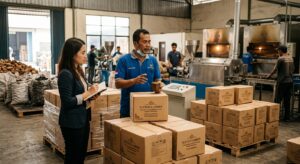
Yes, most reputable manufacturers in Indonesia offer OEM (Original Equipment Manufacturer) services, allowing you to customize the inner plastic, the master box, and the overall branding to suit your business needs.