


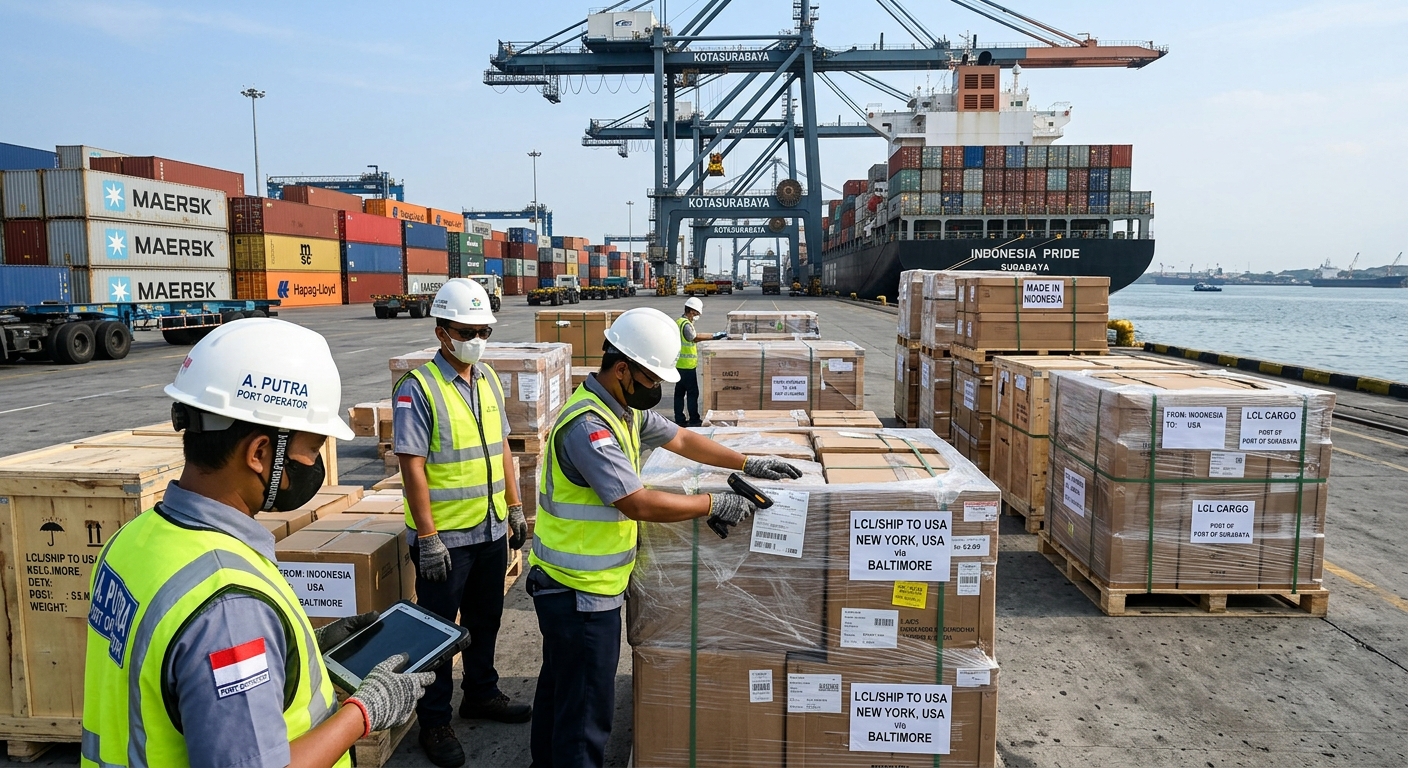
Understanding LCL Shipping from Indonesia to the US
Less than Container Load (LCL) shipping is a highly effective logistical solution for businesses looking to import goods from Southeast Asia to the United States without the necessity of filling an entire shipping container. Understanding the nuances of LCL shipping rates from Indonesia to the US is crucial for optimizing your supply chain operations and managing costs efficiently.
What is LCL Shipping?
In international freight forwarding, LCL refers to shipments that occupy a portion of a standard 20-foot or 40-foot shipping container. Freight forwarders consolidate multiple LCL shipments from different shippers into a single container. This shared space model allows businesses to pay only for the volume their cargo occupies, making it a cost-effective alternative to Full Container Load (FCL) shipping for smaller volumes.
Factors Influencing LCL Shipping Rates
Several variables come into play when calculating LCL shipping rates from Indonesia to the United States. Being aware of these factors can help you accurately estimate your shipping costs and identify areas for savings.
Volume and Weight
LCL rates are primarily calculated based on the volume (CBM – Cubic Meters) or the gross weight of the cargo, whichever is greater. Freight forwarders use a weight-to-volume ratio (commonly 1 CBM = 1,000 kg for ocean freight) to determine the chargeable weight.
Origin and Destination Ports
The specific ports of departure in Indonesia (such as Tanjung Priok in Jakarta, Tanjung Perak in Surabaya, or Belawan in Medan) and the ports of arrival in the US (like Los Angeles, New York, or Seattle) significantly impact the base ocean freight rate. Inland transportation costs to and from these ports also add to the overall expense.
Type of Goods
The nature of the goods being shipped can influence the rate. Hazardous materials, perishable items requiring temperature control, or oversized cargo may incur additional surcharges. For businesses dealing with apparel, finding reliable suppliers is key, as detailed in A Complete Guide to Private Label Garment Manufacturers in Indonesia.
Incoterms
The chosen International Commercial Terms (Incoterms) dictate the division of responsibilities and costs between the buyer and the seller. Understanding the differences is crucial for accurate cost calculation. For a deeper dive, read FOB vs CIF Shipping from Indonesia: A Comprehensive Guide for Importers.
Typical Breakdown of LCL Shipping Costs
When you receive an LCL shipping quote, it typically includes several distinct charges. Understanding this breakdown ensures transparency and helps prevent unexpected expenses.
- Ocean Freight Rate: The core cost of transporting the goods across the ocean, usually quoted per CBM or weight ton.
- Origin Charges: Fees incurred in Indonesia, including terminal handling charges (THC), documentation fees, export customs clearance, and consolidation fees.
- Destination Charges: Fees incurred upon arrival in the US, such as destination THC, deconsolidation fees, import customs clearance, and delivery orders.
- Bunker Adjustment Factor (BAF): A surcharge to account for fluctuating fuel prices.
- Currency Adjustment Factor (CAF): A fee applied to mitigate risks associated with currency exchange rate fluctuations.
- Insurance: Optional but highly recommended coverage against loss or damage during transit.
How to Optimize Your LCL Shipping Rates
While LCL shipping is inherently cost-effective for smaller volumes, there are strategic measures you can implement to further optimize your shipping rates from Indonesia to the US.
Accurate Packaging and Measurement
Ensure your goods are packed efficiently to minimize empty space. Since LCL rates are often based on volume, reducing the overall CBM of your shipment directly lowers your ocean freight costs. Use sturdy, standard-sized pallets or crates to facilitate easy handling and maximize container space utilization.
Plan Ahead
Booking your shipments well in advance allows you to secure better rates and avoid peak season surcharges. The shipping industry experiences fluctuations in demand, typically peaking around major holidays and late summer. By planning your inventory needs, you can navigate these peak periods more effectively.
Choose the Right Freight Forwarder
Partnering with a reputable and experienced freight forwarder is essential. A good forwarder will have established relationships with carriers, allowing them to negotiate better rates and secure reliable transit times. They can also provide valuable guidance on customs regulations and documentation. If you are sourcing various goods, understanding the market is vital. Consider Navigating Indonesian B2B Export Platform Commodities: A Comprehensive Guide to expand your sourcing capabilities.
Leverage B2B Platforms
Utilizing established trade platforms can streamline your sourcing and shipping processes. For instance, engaging with a reliable B2B export platform can provide access to verified suppliers and integrated logistics solutions, simplifying the entire import process.
Transit Times for LCL Shipping
Transit times for LCL shipping from Indonesia to the US vary depending on several factors, including the specific ports of departure and arrival, the shipping route, and the time required for consolidation and deconsolidation.
| Origin Port (Indonesia) | Destination Port (US) | Estimated Transit Time |
|---|---|---|
| Jakarta (Tanjung Priok) | Los Angeles (LAX) | 25 – 35 Days |
| Surabaya (Tanjung Perak) | New York (NYC) | 35 – 45 Days |
| Semarang (Tanjung Emas) | Seattle (SEA) | 30 – 40 Days |
Note: These are estimated transit times for the ocean voyage only. Additional time must be factored in for inland transportation, customs clearance, and terminal handling.
Conclusion
Navigating LCL shipping rates from Indonesia to the US requires a solid understanding of the various cost factors, logistical processes, and market dynamics. By carefully analyzing your shipping needs, optimizing your packaging, selecting the right Incoterms, and partnering with experienced freight forwarders, you can significantly streamline your supply chain and reduce overall expenses. Whether you are importing garments, commodities, or manufactured goods, leveraging LCL shipping effectively allows your business to maintain flexibility and competitiveness in the global market.
Frequently Asked Questions (FAQ)
What is the minimum volume for an LCL shipment?
The standard minimum chargeable volume for an LCL shipment is usually 1 Cubic Meter (CBM). Even if your cargo occupies less space, you will typically be billed for 1 CBM.
Is LCL shipping slower than FCL shipping?
Yes, LCL shipping generally takes slightly longer than Full Container Load (FCL) shipping. This is because additional time is required at the origin port to consolidate various shipments into a single container, and at the destination port to deconsolidate and sort the cargo.
Do I need cargo insurance for LCL shipments?
While not legally required, purchasing comprehensive cargo insurance is highly recommended. LCL shipments involve more handling during the consolidation and deconsolidation processes, which slightly increases the risk of damage or loss compared to FCL shipments.
How are LCL shipping rates calculated?
LCL rates are calculated based on the chargeable weight or volume (CBM) of your cargo, whichever is greater. The total cost includes the base ocean freight rate plus origin and destination surcharges, customs fees, and any necessary inland transportation.