

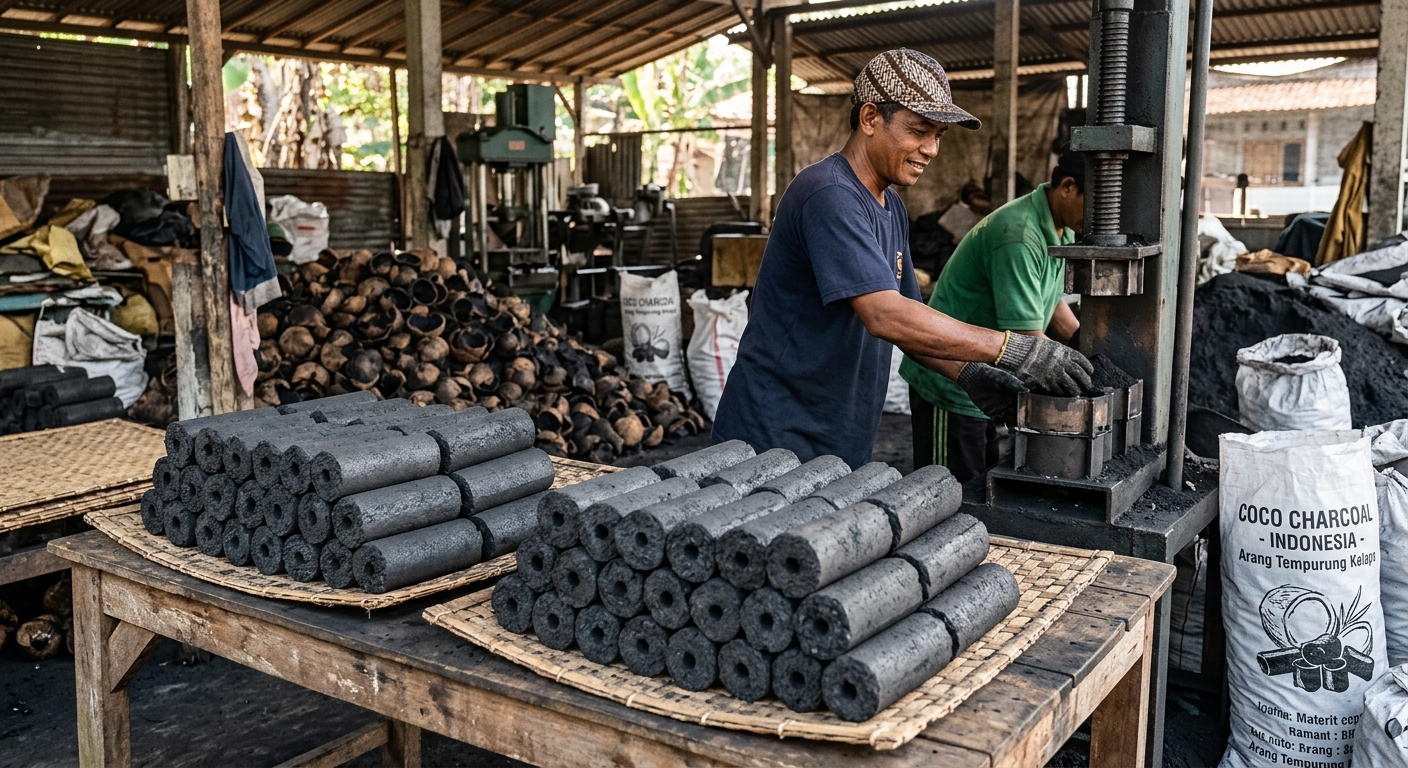
Introduction to Indonesian Coconut Charcoal Briquettes
In recent years, the global demand for sustainable, high-quality grilling fuels has skyrocketed, bringing BBQ coconut charcoal briquettes from Indonesia into the international spotlight. As the world’s leading archipelago and one of the largest producers of coconuts globally, Indonesia has naturally positioned itself at the forefront of the coconut charcoal industry. These briquettes, crafted primarily from repurposed coconut shells, represent a masterclass in both agricultural efficiency and sustainable manufacturing.
Unlike traditional lump charcoal or chemical-laden wood briquettes, coconut charcoal offers a superior grilling experience characterized by long burn times, consistent heat, and zero smoke or odor. This comprehensive guide explores every facet of the Indonesian coconut charcoal industry, from the intricate manufacturing process to the economic implications of global exportation.
Why Choose Coconut Charcoal Briquettes for BBQ?
Grill enthusiasts and professional chefs alike are increasingly turning to coconut charcoal briquettes. The reasons are multifaceted and deeply rooted in the physical properties of the coconut shell itself.
- High Heat and Long Burn Time: Coconut shell charcoal possesses an incredibly high density. This density allows the briquettes to burn much hotter and longer than traditional wood charcoal, often lasting up to three times as long. This efficiency translates to fewer briquettes needed per grilling session.
- Low Ash Production: High-quality Indonesian coconut charcoal produces minimal ash, usually under 2.5%. This makes post-BBQ cleanup significantly easier and prevents ash from flying up and contaminating food.
- Odorless and Smokeless: When manufactured correctly, these briquettes emit virtually no smoke and have no inherent odor. This ensures that the authentic flavor of the food—be it meats, vegetables, or seafood—remains untainted by the taste of burning wood or chemical binders.
- Eco-Friendly Nature: No trees are cut down to produce coconut charcoal. It relies entirely on coconut shells, a natural byproduct of the copra and coconut oil industries.
The Manufacturing Process in Indonesia
The transformation of discarded coconut shells into premium BBQ briquettes is a labor-intensive process that requires precision and expertise. Indonesian manufacturers have perfected this process over decades, ensuring a consistent and high-quality final product.
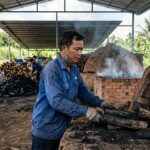
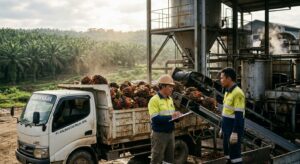
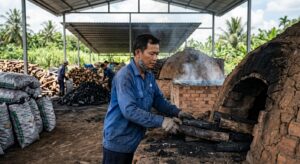
The process begins with the collection of mature coconut shells from plantations across islands like Sulawesi, Sumatra, and Java. These shells are then cleaned and subjected to a carbonization process, usually in traditional drum kilns or modern brick kilns. The carbonization removes moisture and volatile compounds, leaving behind high-carbon charcoal.
Once carbonized, the charcoal is crushed into a fine powder. This powder is mixed with a natural binder, typically tapioca starch, which is both safe for cooking and highly effective at holding the briquette together. The mixture is then extruded or pressed into various shapes, such as cubes, cylinders, or hexagonal logs. For foreign buyers looking to enter this market, it is highly recommended to read A Guide to White Label Manufacturing Companies in Indonesia to understand how original equipment manufacturing (OEM) partnerships operate within the archipelago.
Finally, the wet briquettes undergo a rigorous drying process in large industrial ovens to reduce the moisture content to below 5%. This low moisture level is critical for ensuring quick ignition and preventing cracking during combustion.
Quality Parameters for BBQ Briquettes
Not all coconut charcoal is created equal. Indonesian exporters categorize their products based on strict quality parameters. Understanding these parameters is crucial for importers and consumers.
| Quality Parameter | Premium Grade | Standard Grade |
|---|---|---|
| Carbon Content | > 80% | 70% – 75% |
| Ash Content | < 2.5% | 3% – 5% |
| Moisture Content | < 5% | < 6% |
| Burn Time | 3 – 4 hours | 2 – 3 hours |
| Drop Test | No breakage (3 meters) | Minor chipping (2 meters) |
Logistics, Export, and Pricing
Exporting charcoal from Indonesia involves navigating a complex logistical landscape. Because charcoal is highly flammable, it is classified as a hazardous material (Dangerous Goods) by most international shipping lines. This requires exporters to obtain specialized certifications, such as the Self-Heating Test certificate, to prove that the briquettes will not spontaneously combust during transit.
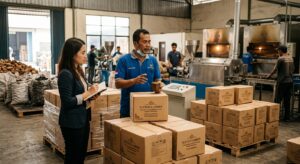
Pricing for coconut charcoal briquettes fluctuates based on raw material availability, shipping container costs, and seasonal demand. Buyers must carefully analyze freight-on-board (FOB) pricing to ensure profitability. To better understand the costs involved, buyers should read FOB Price Coconut Charcoal Indonesia: A Comprehensive Guide. Sourcing directly from reputable manufacturers can mitigate risks. When sourcing from top Indonesian export suppliers, buyers can expect transparent pricing, reliable shipping schedules, and comprehensive quality assurance protocols.
Diversification of Indonesian Exports
While the biomass and charcoal sectors are booming, it is important to recognize that Indonesia’s export economy is highly diversified. The manufacturing standards applied in the charcoal industry—focusing on quality, scalability, and international compliance—are mirrored in other sectors. For example, buyers interested in exploring the broader capabilities of Indonesian manufacturing can review resources like A Complete Guide to Private Label Garment Manufacturers in Indonesia. This highlights the nation’s capacity to serve as a comprehensive sourcing hub for global businesses.
Environmental Impact and Sustainability
One of the most compelling arguments for adopting Indonesian coconut charcoal briquettes is their positive environmental impact. The global barbecue industry has historically relied on lump charcoal made from hardwood trees, contributing to deforestation and habitat loss in critical biomes. By utilizing coconut shells, Indonesia’s charcoal industry transforms agricultural waste into a high-value commodity, promoting a circular economy.
Furthermore, the high carbonization efficiency of modern Indonesian kilns minimizes greenhouse gas emissions during production compared to traditional methods. As consumers become more eco-conscious, offering a product that boasts a zero-deforestation footprint is a massive selling point for global BBQ brands.
Conclusion
Indonesian BBQ coconut charcoal briquettes represent the pinnacle of sustainable grilling technology. Through a combination of abundant natural resources, refined manufacturing processes, and a commitment to quality, Indonesia has solidified its position as the premier source for this exceptional product. Whether you are a professional pitmaster seeking consistent, high-heat fuel, or an international importer looking for a lucrative and eco-friendly product line, Indonesian coconut charcoal offers unparalleled value. As global supply chains continue to prioritize sustainability and performance, the demand for these coconut shell briquettes will undoubtedly continue to rise, further cementing Indonesia’s vital role in the global barbecue market.
Frequently Asked Questions (FAQ)
Are coconut charcoal briquettes safe for cooking?
Yes, they are exceptionally safe. High-quality Indonesian coconut charcoal is made entirely from natural coconut shells and bound with food-grade tapioca starch. They contain no chemical additives, ensuring that no harmful toxins or unwanted flavors are transferred to your food during grilling.
How do I light coconut charcoal briquettes?
Because they are extremely dense and lack chemical accelerants, coconut briquettes can take slightly longer to light than standard charcoal. The best method is to use a chimney starter with some natural fire starters or crumpled paper underneath. It typically takes 15 to 20 minutes for the briquettes to ash over and be ready for grilling.
Can I reuse unburned coconut charcoal?
Yes. Because of their long burn time, you often have charcoal left over after cooking. Simply close the vents on your grill to cut off the oxygen supply and extinguish the coals. Once completely cooled, you can shake off the excess ash and relight them during your next BBQ session.
Why is Indonesian coconut charcoal considered the best?
Indonesia has the ideal climate for growing coconuts, resulting in shells that are particularly thick and dense. When carbonized, these dense shells produce charcoal with higher fixed carbon and lower ash content than coconuts grown in other regions. Additionally, Indonesian manufacturers have decades of specialized experience in refining the briquetting process.