

Introduction to Negotiating with Indonesian Suppliers
Doing business in Indonesia offers immense opportunities, from manufacturing to sourcing raw materials. However, to truly succeed, international buyers must understand how to negotiate with Indonesian suppliers effectively. The archipelago nation has a unique business culture rooted in personal relationships, respect, and indirect communication. Navigating these cultural nuances is essential for securing favorable terms while building lasting partnerships.
This comprehensive guide will walk you through the essential steps, cultural insights, and strategic approaches needed to conduct successful negotiations in Indonesia. Whether you are sourcing textiles, agricultural products, or manufactured goods, mastering these techniques will help you achieve mutually beneficial outcomes.
Understanding the Indonesian Business Culture
Before entering any negotiation, it is crucial to grasp the cultural foundations that drive business in Indonesia. Indonesian culture places a high value on harmony, face-saving, and relationship-building.
The Concept of ‘Gotong Royong’ and ‘Musyawarah’
Indonesian society is heavily influenced by gotong royong (mutual assistance) and musyawarah (consensus-building). In a business context, this means that decisions are rarely made unilaterally or hastily. Negotiations are viewed as a collaborative process rather than a confrontational battle. Patience is key, as your counterparts will want to ensure that all parties are satisfied with the outcome.
The Importance of ‘Face’ (Malu)
Saving face, or avoiding malu (shame/embarrassment), is critical. You should never criticize, raise your voice, or aggressively confront an Indonesian supplier in public or during a meeting. Constructive feedback should be delivered privately and diplomatically. Maintaining harmony will keep the negotiation process smooth and prevent deals from falling apart due to cultural misunderstandings.
Relationship Over Transaction
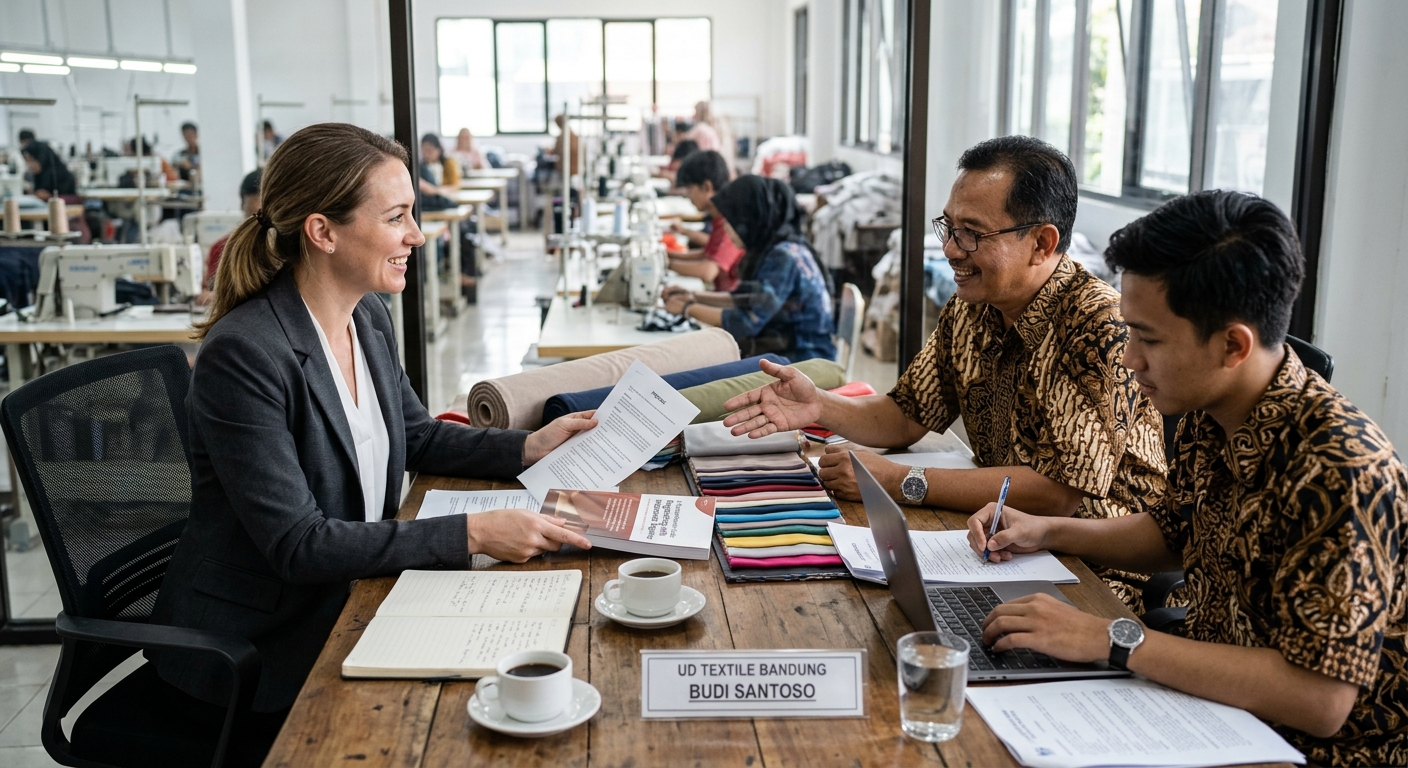
In the West, business is often transactional. In Indonesia, it is relational. Building trust is a prerequisite to talking numbers. Spend time getting to know your suppliers, asking about their families, and engaging in small talk. Meals and informal gatherings are excellent venues for this. Only when a strong rapport is established will you see significant progress in your negotiations.
Preparation: The Key to Successful Negotiations
Entering a negotiation without adequate preparation is a recipe for failure, especially in an emerging market like Indonesia.
Research Your Supplier
Conduct thorough due diligence on your potential suppliers. Verify their business licenses, production capabilities, and reputation in the market. Understanding their financial stability and capacity will give you leverage during discussions. If you are looking into specific industries, such as furniture, you might find The Complete Guide: How to Source Furniture from Indonesia to be an invaluable resource.
Understand the Regulatory Environment
Indonesia has specific regulations governing exports, taxes, and labor. Being knowledgeable about these laws shows your supplier that you are a serious and informed buyer. For example, if you are sourcing timber or related products, it is essential to read the Comprehensive Guide to Indonesia Wood Product Export Documents to ensure compliance with local forestry laws and international standards.
Define Your Goals and Limits
Clearly outline what you want to achieve. What is your target price? What are your minimum quality standards? What are your non-negotiables? Knowing your Best Alternative to a Negotiated Agreement (BATNA) will prevent you from accepting unfavorable terms out of desperation.
Effective Negotiation Strategies in Indonesia
Once you are at the negotiation table, how you conduct yourself is just as important as what you are asking for.
Start with a Reasonable Buffer
Indonesian suppliers expect to negotiate on price. It is customary to start with an initial offer that leaves room for concessions. However, do not make an offer so low that it insults the supplier. A respectful back-and-forth is expected, eventually leading to a middle ground that satisfies both parties.
Use Indirect Communication
Indonesians often use indirect communication. A direct “no” is rare, as it can cause loss of face. Instead, you might hear phrases like “we will try,” “it might be difficult,” or “let us see.” You must learn to read between the lines. If a supplier is hesitant or avoids committing to a specific point, it usually means no or that further negotiation is required.
Leverage Local Expertise
Sometimes, having a local representative or sourcing agent can bridge the cultural and linguistic gap. An agent understands local pricing, customs, and negotiation tactics. If you are dealing with farm products, you should review the Comprehensive Guide to Working with an Indonesia Agricultural Commodity Sourcing Agent to understand how local experts can facilitate smoother transactions.
Discussing Terms and Conditions
Price is only one aspect of the negotiation. You must also agree on payment terms, quality control, lead times, and shipping documentation.
Payment Terms
Upfront payments are common, especially for new relationships. A standard structure might be a 30% to 50% deposit with the balance paid upon presentation of the Bill of Lading. As trust grows, you may be able to negotiate Letter of Credit (L/C) terms or even open account terms.
Quality Control
Never assume that your quality standards are automatically understood. Clearly define your specifications in the contract and include provisions for third-party inspections before shipment. Agree on what happens if the goods fail the inspection—who bears the cost of rework or replacement?
Shipping and Documentation
Exporting from Indonesia requires specific paperwork to clear customs smoothly. Ensure that your supplier is capable of providing all necessary documents. For a deep dive into this topic, refer to A Complete Guide to Export Documentation for Shipping from Indonesia. Discuss who is responsible for securing these documents and how the costs are allocated.
Overcoming Common Challenges
Negotiating in Indonesia is not without its hurdles. Being aware of potential pitfalls can save you time and money.
Delays and Time Management
The concept of time in Indonesia is often more flexible than in the West, sometimes referred to as “jam karet” (rubber time). Meetings may start late, and decision-making can take longer than anticipated. Build buffer time into your schedule and practice patience. Rushing your counterparts will only create friction.
Language Barriers
While many business people in major cities speak English, there can still be misunderstandings regarding technical terms or legal jargon. When in doubt, clarify and confirm in writing. Hiring a professional translator for crucial meetings is a worthwhile investment.
Conclusion
Negotiating with Indonesian suppliers is an art that requires a blend of cultural sensitivity, strategic planning, and immense patience. By respecting local customs like preserving “face” and prioritizing relationships, you set the stage for successful discussions. Remember to prepare thoroughly, understand the regulatory landscape, and clearly define all terms, from pricing to export documentation. With the right approach, you can forge strong, long-lasting partnerships that will greatly benefit your business operations in Indonesia.
Frequently Asked Questions (FAQ)
What is the most important cultural aspect to remember when negotiating in Indonesia?
The most important aspect is relationship-building and saving face. You must prioritize establishing trust and avoid confrontational or aggressive tactics, as harmony and mutual respect are foundational to Indonesian business culture.
How should I handle price negotiations with an Indonesian supplier?
Expect a back-and-forth process. Start with a reasonable offer that allows room for concessions, but avoid lowballing to the point of insult. Approach the price discussion collaboratively to find a mutually beneficial middle ground.
Is it necessary to hire a local sourcing agent in Indonesia?
While not strictly necessary, hiring a local agent is highly recommended, especially for new buyers. They can navigate language barriers, cultural nuances, and local regulations, ensuring smoother negotiations and better outcomes.
How are payment terms usually structured with Indonesian suppliers?
For new relationships, suppliers typically request a 30% to 50% deposit upfront, with the balance due upon presentation of shipping documents. Over time, as trust is established, you may negotiate more flexible terms like Letters of Credit.