

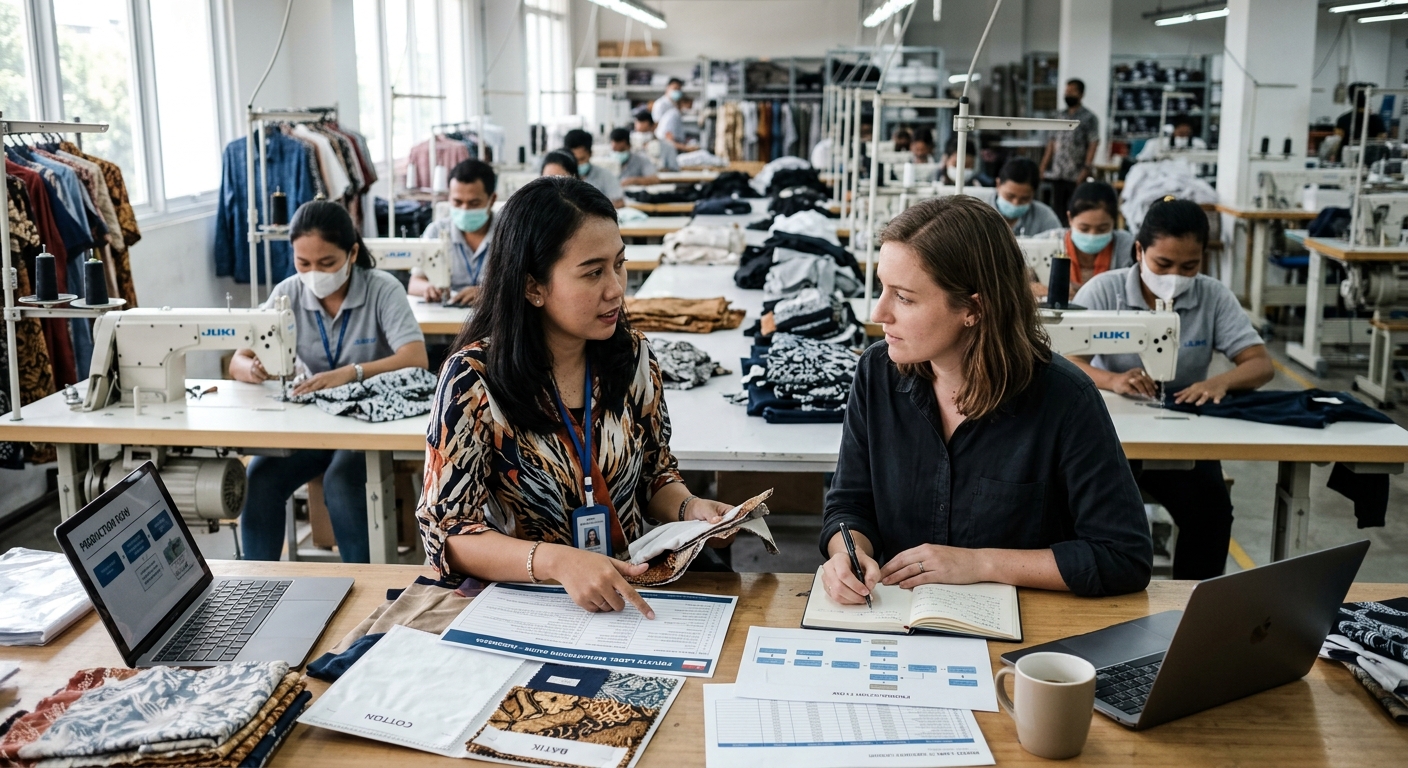
Introduction to Private Label Manufacturing in Indonesia
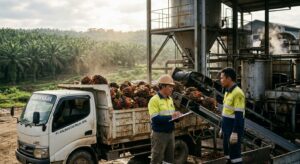
Indonesia has rapidly emerged as a powerhouse in the global manufacturing sector. With a vast workforce, abundant natural resources, and supportive government policies, it offers exceptional opportunities for international brands seeking private label manufacturing partners. Whether you are looking to produce apparel, cosmetics, furniture, or specialized commodities like briquettes, partnering with Indonesian manufacturers can significantly enhance your supply chain efficiency and profitability.
As businesses look to diversify their sourcing away from traditional hubs, Indonesia stands out due to its strategic location in Southeast Asia and its competitive pricing. To fully capitalize on this potential, it is essential to understand how to identify and collaborate with reliable manufacturing partners. This guide will explore the nuances of private label manufacturing in Indonesia, highlighting key industries, best practices for sourcing, and the benefits of establishing long-term partnerships.
Key Industries for Private Label Manufacturing
Indonesia’s manufacturing capabilities span a wide range of industries. Understanding the strengths of each sector can help you align your business needs with the right partner.
Textiles and Apparel
The textile and garment industry is one of Indonesia’s oldest and most developed sectors. Known for producing high-quality fabrics and intricate designs, including traditional batik, the country offers competitive pricing for both mass-market and premium clothing brands. Manufacturers here are increasingly adopting sustainable practices, making them attractive to eco-conscious brands.
Furniture and Home Decor
Indonesia is globally recognized for its exquisite wooden furniture and home decor items. Utilizing resources like teak, mahogany, and rattan, artisans and factories produce items that blend traditional craftsmanship with modern design. This sector is ideal for brands looking to offer unique, high-quality pieces under their own label.
Charcoal and Briquettes
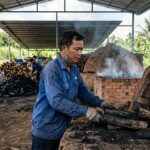
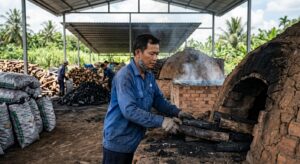
Another booming sector is the production of charcoal, particularly coconut shell briquettes used for shisha and grilling. Indonesia is the world’s largest producer of coconuts, providing an abundant supply of raw materials. If you are in this niche, finding a reputable partner is crucial. For detailed insights, check out The Ultimate Guide to Private Label Shisha Charcoal Manufacturing. Additionally, to understand the broader market of premium suppliers, read The Ultimate Guide to Premium Shisha Charcoal Suppliers in Indonesia.
Cosmetics and Personal Care
With a growing domestic market and rich biodiversity, Indonesia is becoming a hub for private label cosmetics. Manufacturers leverage local ingredients like essential oils, herbs, and natural extracts to create unique skincare and beauty products that appeal to international markets.
How to Find and Vet Manufacturing Partners
Finding the right private label manufacturing partner requires diligence and a strategic approach. Here are the steps to ensure a successful collaboration.
1. Initial Research and Sourcing
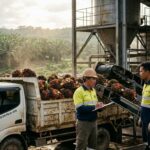
Start by identifying potential manufacturers through online B2B directories, trade shows, and industry associations. Sourcing platforms can provide a wealth of information about a supplier’s capabilities, certifications, and export history. For a comprehensive look at how to acquire base materials effectively, refer to A Complete Guide to Sourcing Raw Materials from Indonesia B2B.
2. Verify Certifications and Compliance
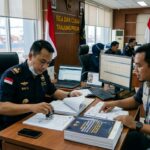
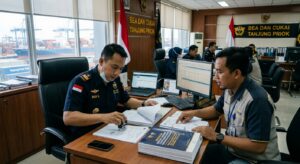
Ensure that the manufacturer holds the necessary international certifications (such as ISO, GMP, or specific sustainability standards). Compliance with labor laws and environmental regulations is also critical to protect your brand’s reputation.
3. Request Samples and Prototypes
Before committing to a large order, always request product samples. This allows you to evaluate the quality of the materials, the precision of the manufacturing process, and the manufacturer’s ability to meet your specifications.
4. Factory Audits and Site Visits
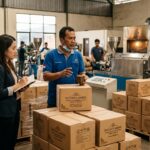
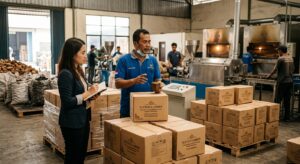
If possible, conduct a factory audit or visit the facility in person. This provides firsthand insight into the working conditions, production capacity, and quality control processes. Many brands choose to hire local quality assurance agencies to perform these audits on their behalf.
Advantages of Partnering with Indonesian Manufacturers
Collaborating with private label manufacturing partners in Indonesia offers several distinct advantages that can drive your business forward.
- Cost-Effectiveness: Lower labor and operational costs translate to competitive pricing without compromising on quality.
- Abundant Raw Materials: Access to local raw materials reduces import costs and shortens production lead times.
- Skilled Workforce: A large, young, and increasingly skilled workforce supports various manufacturing complexities.
- Strategic Location: Proximity to major Asian markets and essential shipping routes facilitates efficient global distribution.
- Government Support: Indonesian government initiatives aimed at boosting exports provide a favorable environment for international trade.
Overcoming Potential Challenges
While the benefits are significant, it is important to be aware of potential challenges and how to mitigate them.
Communication and Language Barriers
Although English is commonly used in international business, misunderstandings can still occur. Clear, documented communication and the use of local agents or bilingual staff can help bridge this gap.
Infrastructure and Logistics
Indonesia is an archipelago, which can complicate internal logistics. However, the government is heavily investing in infrastructure development. Working with experienced freight forwarders and partners like reliable Indonesian exporters can ensure smooth transit of your goods.
Quality Control Consistency
Maintaining consistent quality across large production runs can be challenging. Implement strict quality control protocols, conduct regular inspections, and establish clear criteria for acceptable standards in your manufacturing agreement.
Comparing Indonesia with Other Manufacturing Hubs
| Criteria | Indonesia | China | Vietnam |
|---|---|---|---|
| Labor Costs | Low to Moderate | Moderate to High | Low |
| Raw Material Availability | High (especially agriculture/forestry) | High (broad spectrum) | Moderate |
| Infrastructure | Improving rapidly | Highly developed | Developing |
| English Proficiency in Business | Moderate | Moderate | Moderate |
Conclusion
Indonesia presents a compelling destination for brands seeking private label manufacturing partners. With its diverse industrial capabilities, cost advantages, and rich availability of raw materials, the country is well-positioned to support your brand’s growth. By conducting thorough research, vetting potential partners meticulously, and establishing robust communication channels, you can build profitable and sustainable manufacturing relationships in Indonesia. As global supply chains continue to evolve, securing a reliable partner in this dynamic market could be a critical step toward long-term success.
Frequently Asked Questions
What are the most popular products for private labeling in Indonesia?
The most popular products include textiles and apparel, wooden furniture, cosmetics using natural local ingredients, and coconut shell charcoal briquettes for shisha and barbecue.
How do I verify the reliability of a manufacturer in Indonesia?
You can verify a manufacturer by checking their international certifications, requesting business licenses, reading client testimonials, ordering product samples, and conducting independent factory audits.
Are there minimum order quantities (MOQs) when working with Indonesian manufacturers?
Yes, most manufacturers have MOQs to ensure production viability. However, these quantities vary significantly depending on the industry, the specific product, and the size of the manufacturing facility.
Is it necessary to visit Indonesia to establish a manufacturing partnership?
While not strictly necessary, visiting Indonesia is highly recommended. It helps build trust, allows you to inspect facilities firsthand, and facilitates better negotiation and understanding of the local business culture.