


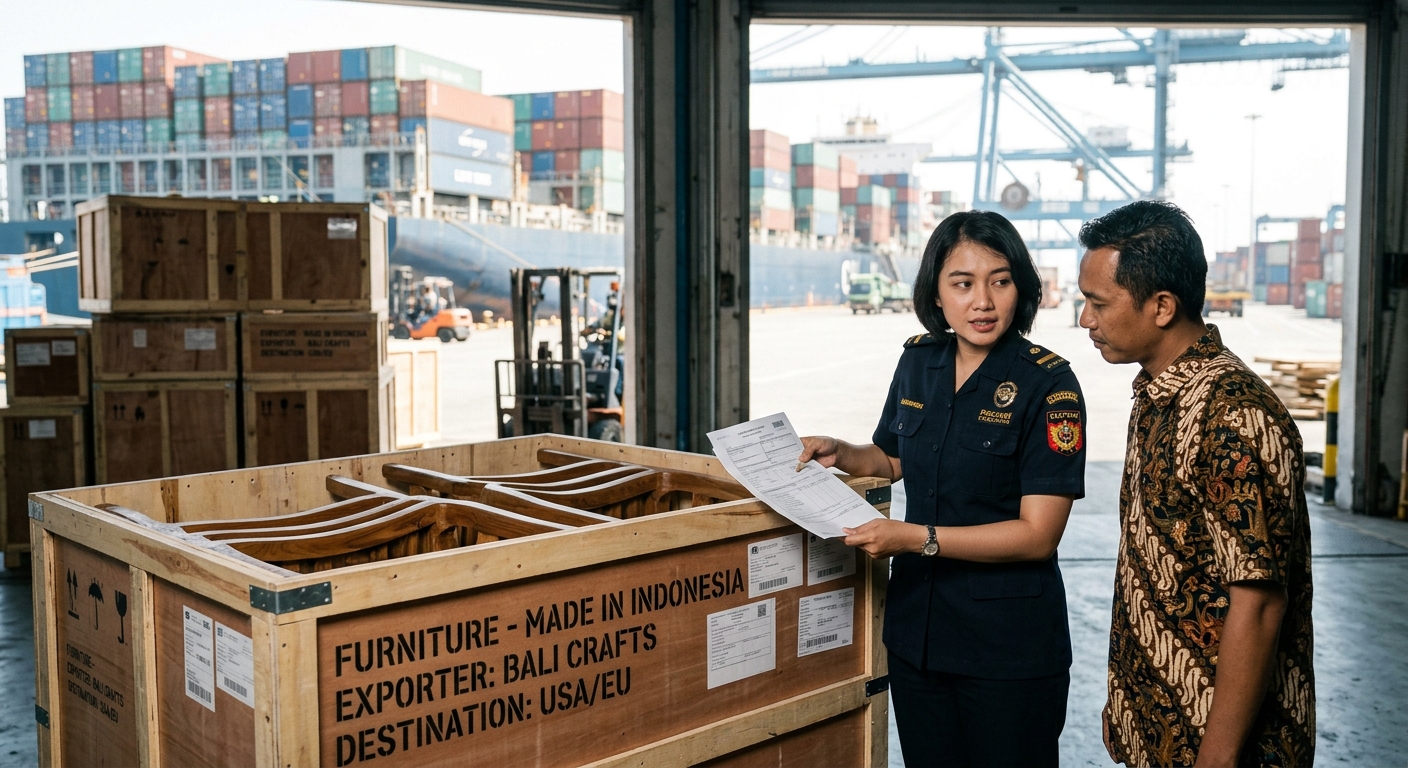
Introduction to Importing Furniture from Indonesia
Importing furniture from Indonesia has become an increasingly popular venture for businesses and individuals worldwide. Renowned for its exquisite craftsmanship, unique designs, and sustainable materials like teak and rattan, Indonesian furniture offers exceptional value. However, the process of bringing these beautiful pieces across international borders involves navigating a complex web of logistics, regulations, and most importantly, customs duties. Understanding the financial implications and legal requirements is crucial for ensuring a profitable and smooth importing experience.
This comprehensive guide will walk you through the essential aspects of importing furniture from Indonesia, focusing heavily on customs duties, trade agreements, shipping logistics, and compliance requirements. Whether you are an established retailer or a first-time importer, mastering these elements will save you time, money, and potential headaches.
Understanding Customs Duties for Indonesian Furniture
Customs duty is a tax imposed on goods when they are transported across international borders. The purpose of customs duty is to protect each country’s economy, residents, jobs, and environment by controlling the flow of goods into and out of the country. When importing furniture from Indonesia, the amount of duty you will pay depends on several factors, including the destination country, the type of furniture, the materials used, and the declared value of the goods.
Harmonized System (HS) Codes
The foundation of determining customs duties lies in the Harmonized System (HS) codes. These internationally standardized numerical methods classify traded products. Furniture generally falls under Chapter 94 of the HS code system. However, the specific code varies depending on whether the furniture is made of wood, metal, plastic, or rattan, and whether it is intended for bedroom, office, or outdoor use. Accurately classifying your furniture with the correct HS code is critical. An incorrect code can lead to delays, penalties, or overpayment of duties.
Calculating the Declared Value
Customs duties are typically calculated as a percentage of the customs value of the imported goods. This value usually includes the cost of the goods, shipping, and insurance (CIF value), depending on the destination country’s regulations. It is imperative to have accurate commercial invoices from your Indonesian supplier that clearly state the value of the furniture to avoid customs disputes.
Trade Agreements and Duty Exemptions
One of the most effective ways to reduce or eliminate customs duties is by leveraging international trade agreements. Indonesia is a member of the Association of Southeast Asian Nations (ASEAN) and has various bilateral and multilateral free trade agreements (FTAs) in place.
Generalized System of Preferences (GSP)
Historically, Indonesia has benefited from the Generalized System of Preferences (GSP) in several developed countries, including the United States and regions in Europe. Under GSP programs, certain eligible products from developing countries can enter duty-free. It is essential to check if the specific furniture items you are importing qualify for GSP status in your country and ensure you obtain the necessary Certificate of Origin (Form A or equivalent) from the Indonesian authorities.
European Union Trade Relations
For European importers, keeping an eye on ongoing trade negotiations is vital. The relationship between the EU and Indonesia is continually evolving. For detailed insights into the current progress and implications for importers, you can review the IEU CEPA Trade Agreement Status: A Comprehensive Guide. Such agreements can significantly lower tariffs on Indonesian furniture entering the European market.
Important Certifications and Regulations
Beyond customs duties, importing furniture requires strict adherence to specific regulations, particularly concerning environmental sustainability and consumer safety.
FLEGT and SVLK Certifications
When importing wooden furniture, proving the legal origin of the timber is mandatory in many major markets to combat illegal logging. Indonesia has implemented the Sistem Verifikasi Legalitas Kayu (SVLK), a national timber legality assurance system. For imports into the European Union, Indonesia issues Forest Law Enforcement, Governance and Trade (FLEGT) licenses. A valid FLEGT license automatically satisfies the requirements of the EU Timber Regulation (EUTR), meaning the timber is considered legally harvested. Ensure your supplier provides SVLK/FLEGT certification for all wooden furniture.
Fumigation and Pest Control
Agricultural authorities in destination countries (such as the USDA in the United States or DAFF in Australia) require all imported wooden products and packaging to be treated against pests. You must ensure your Indonesian supplier fumigates the furniture and the wooden pallets or crates used for shipping. A valid fumigation certificate must accompany the shipping documents; otherwise, customs may quarantine, treat, or even destroy the cargo at your expense.
Logistics and Shipping Costs
Shipping large volumes of furniture requires careful logistical planning. Most furniture is shipped via ocean freight in 20-foot, 40-foot, or 40-foot High Cube (HC) containers. Less than Container Load (LCL) shipments are also possible for smaller orders but are generally less cost-effective per cubic meter.
When planning your logistics, it is crucial to understand the costs associated with different Indonesian ports. Surabaya, home to the Tanjung Perak port, is one of the primary export hubs for furniture manufactured in East Java or Bali. For a detailed breakdown of shipping costs and strategies from this region, refer to A Comprehensive Guide to Ocean Freight Rates from Surabaya: Navigating Global Shipping Costs. Proper logistical planning will help you accurately estimate your landed costs, which include the cost of goods, shipping, insurance, and customs duties.
Expanding Your Indonesian Imports
While furniture is a highly lucrative import, Indonesia offers a wealth of other high-quality products that importers often combine to diversify their offerings and optimize container space. For instance, sustainable outdoor living products often complement wooden furniture.
One such product is coconut shell charcoal, which is highly sought after globally for grilling and hookah. If you are interested in exploring this market, reading The Ultimate Guide to BBQ Coconut Charcoal Briquettes in Indonesia will provide valuable insights. Additionally, for businesses looking to develop their own branded charcoal products alongside their furniture lines, finding a reliable manufacturer is key. You can learn more about this process by reviewing the Maklon Coconut Charcoal Manufacturer Indonesia: Your Complete Guide.
Step-by-Step Guide to the Customs Clearance Process
Navigating the customs clearance process requires preparation and the right documentation. Here is a general step-by-step overview:
- Hire a Customs Broker: Unless you are highly experienced, hiring a licensed customs broker in your destination country is highly recommended. They will ensure your HS codes are correct, calculate duties accurately, and handle the paperwork.
- Prepare Documentation: Ensure you have the Bill of Lading, Commercial Invoice, Packing List, Certificate of Origin, and any required fumigation or SVLK/FLEGT certificates.
- Submit Entry Documents: Your broker will submit the required entry documents to the customs authority upon or prior to the vessel’s arrival.
- Pay Duties and Taxes: Customs will assess the documents and determine the duties and taxes owed. These must be paid before the goods are released.
- Customs Examination: Customs may flag your container for a physical examination or x-ray. This is routine but can cause slight delays and incur inspection fees.
- Release of Goods: Once all duties are paid and inspections are cleared, customs will release the container for final delivery to your warehouse.
Summary Table: Key Documentation for Importing Furniture
| Document Type | Purpose | Provided By |
|---|---|---|
| Commercial Invoice | Details the transaction, value of goods, and terms of sale. Used for duty calculation. | Supplier |
| Packing List | Itemizes the contents, dimensions, and weight of the shipment. | Supplier |
| Bill of Lading (B/L) | The contract of carriage and receipt of goods. Required to claim the cargo. | Freight Forwarder/Carrier |
| Certificate of Origin | Proves the goods were manufactured in Indonesia. Essential for claiming lower duty rates under trade agreements. | Supplier/Indonesian Authorities |
| Fumigation Certificate | Proves the wood has been treated against pests. | Fumigation Company |
| V-Legal / FLEGT Certificate | Proves the legal harvesting of timber (essential for EU and other regulated markets). | Supplier/Indonesian Authorities |
Conclusion
Importing furniture from Indonesia is an excellent way to source high-quality, beautifully crafted products for your market. However, success in this endeavor requires a thorough understanding of customs duties, trade agreements, and import regulations. By correctly classifying your goods with HS codes, ensuring all timber legality and fumigation requirements are met, and utilizing the expertise of freight forwarders and customs brokers, you can streamline your import process. Always stay informed about current trade policies and maintain clear communication with your Indonesian suppliers to ensure your business remains profitable and compliant.
Frequently Asked Questions (FAQ)
How much is the customs duty for importing furniture from Indonesia to the US?
The customs duty rate varies depending on the specific type of furniture and the material it is made of, as determined by the HS code. Many wooden furniture items from Indonesia currently enter the US duty-free under the Generalized System of Preferences (GSP), provided they meet the origin requirements. However, it is essential to check the latest Harmonized Tariff Schedule of the United States (HTSUS) and consult a customs broker for exact figures.
Do I need a special license to import wooden furniture from Indonesia?
Generally, you do not need a specific “import license” just for furniture in most western countries. However, you must comply with timber legality regulations, such as the Lacey Act in the US or the EUTR in Europe. This means your Indonesian supplier must provide a V-Legal document (SVLK certification) or a FLEGT license to prove the wood was legally harvested.
Why is fumigation required for imported furniture?
Fumigation is required by agricultural and customs authorities to prevent the introduction of foreign pests and diseases into the destination country’s ecosystem. Untreated wood, including the furniture itself and wooden packaging materials like pallets, can harbor wood-boring insects. A valid fumigation certificate proves the cargo has been properly treated before shipment.
How long does customs clearance take for an ocean freight container?
If all your documentation is in order and accurately filed by your customs broker prior to arrival, customs clearance can take anywhere from 1 to 3 days. However, if customs selects your container for an intensive examination (such as an x-ray or physical unloading), the process can be delayed by several days or even weeks.