

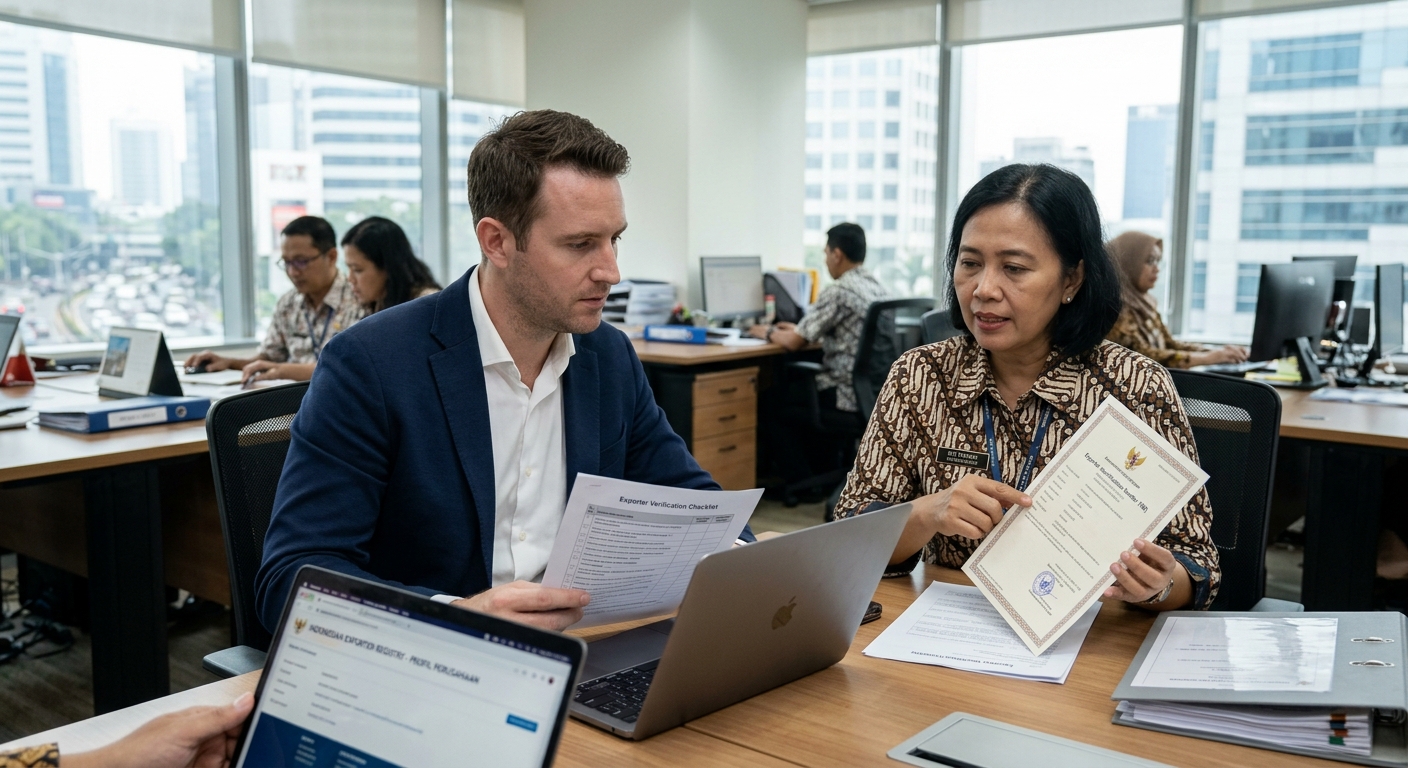
Introduction to Sourcing from Indonesia
Indonesia has emerged as a powerhouse in global manufacturing and agricultural exports. From rich natural resources like coconut products and coffee to highly skilled garment and furniture manufacturing, the archipelago offers immense opportunities for global buyers. However, with this vast opportunity comes the inherent risk of international trade: navigating the landscape of unverified suppliers, potential scams, and inconsistent product quality. Knowing how to verify Indonesian exporters is a non-negotiable skill for any business looking to source goods from Southeast Asia safely and profitably.
Verifying your supplier ensures that your capital is protected, your supply chain remains uninterrupted, and your end customers receive the quality they expect. This comprehensive guide will walk you through the precise steps, legal checks, and operational assessments required to properly vet an Indonesian export partner before you transfer a single dollar.
Why Verifying Indonesian Exporters is Crucial
In the digital age, anyone can create a professional-looking website or a compelling profile on a B2B marketplace. Without proper verification, international buyers expose themselves to numerous risks. The most common issues include dealing with middlemen who claim to be manufacturers, companies operating without proper export licenses, and outright fraudulent entities designed to abscond with initial deposits.
By conducting thorough due diligence, buyers can confirm that the exporter is a legally registered entity in Indonesia, possesses the necessary production capacity, and holds a track record of fulfilling international orders. This process not only safeguards your investment but also establishes a foundation of trust necessary for long-term, mutually beneficial business relationships.
Step-by-Step Guide to Verifying Indonesian Exporters
1. Check Legal Business Registration
The first step in how to verify Indonesian exporters is confirming their legal existence. In Indonesia, legitimate businesses are typically registered as either a PT (Perseroan Terbatas – Limited Liability Company) or a CV (Commanditaire Vennootschap – Limited Partnership). You should request the company’s legal documents, specifically their NIB (Nomor Induk Berusaha or Business Identification Number) and NPWP (Nomor Pokok Wajib Pajak or Tax Identification Number).
You can cross-reference the NIB with the Indonesian government’s OSS (Online Single Submission) system. A genuine exporter will have no hesitation in providing these documents. If a supplier makes excuses about sharing their NPWP or NIB, consider it a significant red flag.
2. Verify Export Licenses and Permits
Having a registered business does not automatically grant a company the right to export. Exporters in Indonesia must have specific customs identification numbers (NIK – Nomor Identitas Kepabeanan). Additionally, depending on the product, they may need specialized permits from ministries, such as the Ministry of Agriculture or the Ministry of Forestry (e.g., V-Legal certification for timber products).
3. Assess Factory and Production Capabilities
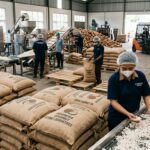
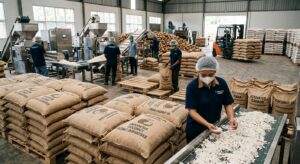
Many online profiles belong to trading companies rather than direct manufacturers. While working with trading companies isn’t inherently bad, you must know who you are dealing with to negotiate effectively. Request a virtual tour of their facility via live video call. Ask them to show you the production line, the warehouse, and their inventory. A genuine manufacturer will gladly accommodate this request.
If you are exploring customized manufacturing, Finding Reliable White Label Manufacturers in Indonesia provides excellent insights into partnering with capable producers who can meet strict branding guidelines.
4. Request and Test Product Samples
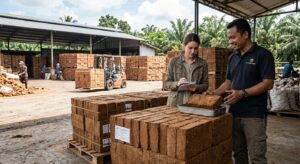
Never place a bulk order without first evaluating physical samples. Requesting samples allows you to assess the quality of the product, the supplier’s attention to detail, and their ability to handle logistics even on a small scale. Be prepared to pay for both the sample and the shipping costs, as this is standard practice in international B2B trade.
Sourcing Specific Products from Indonesia
Indonesia is highly sought after for specific commodities, particularly agricultural and raw materials. For instance, coconut derivatives are among the nation’s top exports. If you are venturing into this niche, understanding the intricacies of bulk purchasing is vital. We highly recommend reading A Comprehensive Guide to Bulk Sourcing Coconut Products in Indonesia to familiarize yourself with quality benchmarks and seasonal variations.
Similarly, for high-demand alternative fuels, proper verification of material specifications is required. Buyers interested in this sector should consult A Complete Guide to Export Quality Coconut Shell Briquettes to ensure their suppliers adhere to strict ash content and burn-time standards.
Comparing Indonesia with Other Regional Manufacturing Hubs
When assessing suppliers, it is also essential to understand how the Indonesian market compares to its neighbors. Different countries offer distinct advantages in terms of labor costs, infrastructure, and raw material proximity. Before committing large volumes to a single country, smart buyers analyze the broader macroeconomic landscape.
To make an informed decision on where to allocate your procurement budget, reviewing Vietnam vs Indonesia Sourcing Costs: A Comprehensive Comparison is an excellent way to benchmark production expenses and logistical overheads.
Common Red Flags to Watch Out For
During the verification process, remain vigilant for warning signs that indicate a potentially fraudulent or unreliable supplier. Some of the most common red flags include:
- Inconsistent Company Information: The company name on the bank account does not match the legally registered company name. Never wire money to a personal bank account.
- Unrealistic Prices: If the price offered is significantly lower than the standard market rate, it is likely a scam or indicative of severely compromised quality.
- Lack of Industry Knowledge: During communications, if the representative cannot answer technical questions about their manufacturing process or raw materials, they are likely a middleman or a scammer.
- Pressure Tactics: High-pressure sales tactics demanding immediate deposits to “lock in” a price should be treated with extreme caution.
Document Verification Checklist
To streamline your vetting process, use the following checklist when requesting documentation from your potential Indonesian partners.
| Document Name | Purpose | Verification Authority |
|---|---|---|
| NIB (Business ID Number) | Proves legal business registration | OSS (Online Single Submission) |
| NPWP (Tax ID Number) | Proves tax compliance | Directorate General of Taxes |
| TDP / SIUP | Historical business trading licenses (now integrated into NIB for newer firms) | Ministry of Trade |
| Bill of Lading (Past Shipments) | Proves track record of exporting | Freight Forwarders / Customs |
Utilizing Third-Party Verification Services
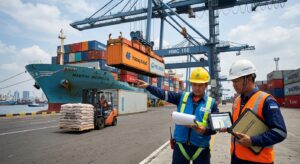
If you are unable to visit Indonesia personally and feel unequipped to conduct the verification entirely online, hiring a third-party sourcing agent or inspection company is a highly recommended strategy. Companies like SGS, Intertek, or local Indonesian sourcing agents can perform factory audits, verify legal documents on the ground, and conduct pre-shipment inspections (PSI).
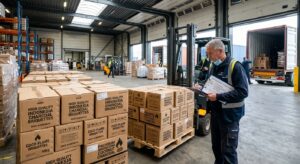
A pre-shipment inspection ensures that the goods loaded into the shipping container match the quality and quantity stipulated in your purchase agreement. While this adds a marginal cost to your procurement process, it is a vital insurance policy against receiving substandard goods.
Conclusion
Learning how to verify Indonesian exporters is a critical step in building a resilient and profitable global supply chain. By meticulously checking legal registrations, verifying export licenses, conducting virtual or physical factory audits, and relying on pre-shipment inspections, buyers can drastically reduce their risk exposure. Indonesia offers incredible manufacturing and agricultural potential for those willing to do their due diligence. Approach every new supplier with healthy skepticism, utilize third-party services when necessary, and ensure all documentation aligns with Indonesian legal standards before making financial commitments.
Frequently Asked Questions (FAQ)
What is the most important document to request from an Indonesian exporter?
The most crucial documents are the NIB (Nomor Induk Berusaha), which serves as their official business registration, and the NPWP (Tax Identification Number). Additionally, requesting a recent Bill of Lading from past shipments is excellent proof that they are an active exporter.
Why should I never pay into a personal bank account when buying from Indonesia?
Legitimate, registered businesses in Indonesia will always have a corporate bank account in the name of their PT or CV. Paying into a personal account bypasses corporate accountability and is one of the most common indicators of an export scam.
Can I check an Indonesian company’s registration online?
Yes, the Indonesian government provides databases such as the AHU (Administrasi Hukum Umum) under the Ministry of Law and Human Rights, and the OSS (Online Single Submission) system, where legal corporate entities and their statuses can be verified.
Is it necessary to hire a third-party inspection agency?
While not strictly mandatory by law, hiring a third-party inspection agency like SGS or a local quality control firm for a Pre-Shipment Inspection (PSI) is highly recommended, especially for your first few orders, to guarantee product quality and quantity.