

Introduction to Agricultural Commodities Sourcing
Global trade relies heavily on the steady flow of agricultural commodities. From staple crops to exotic spices, importing agricultural products offers lucrative opportunities for wholesalers, distributors, and manufacturers. Understanding market demand, seasonal availability, and global supply chain logistics is crucial for success in the import-export business.
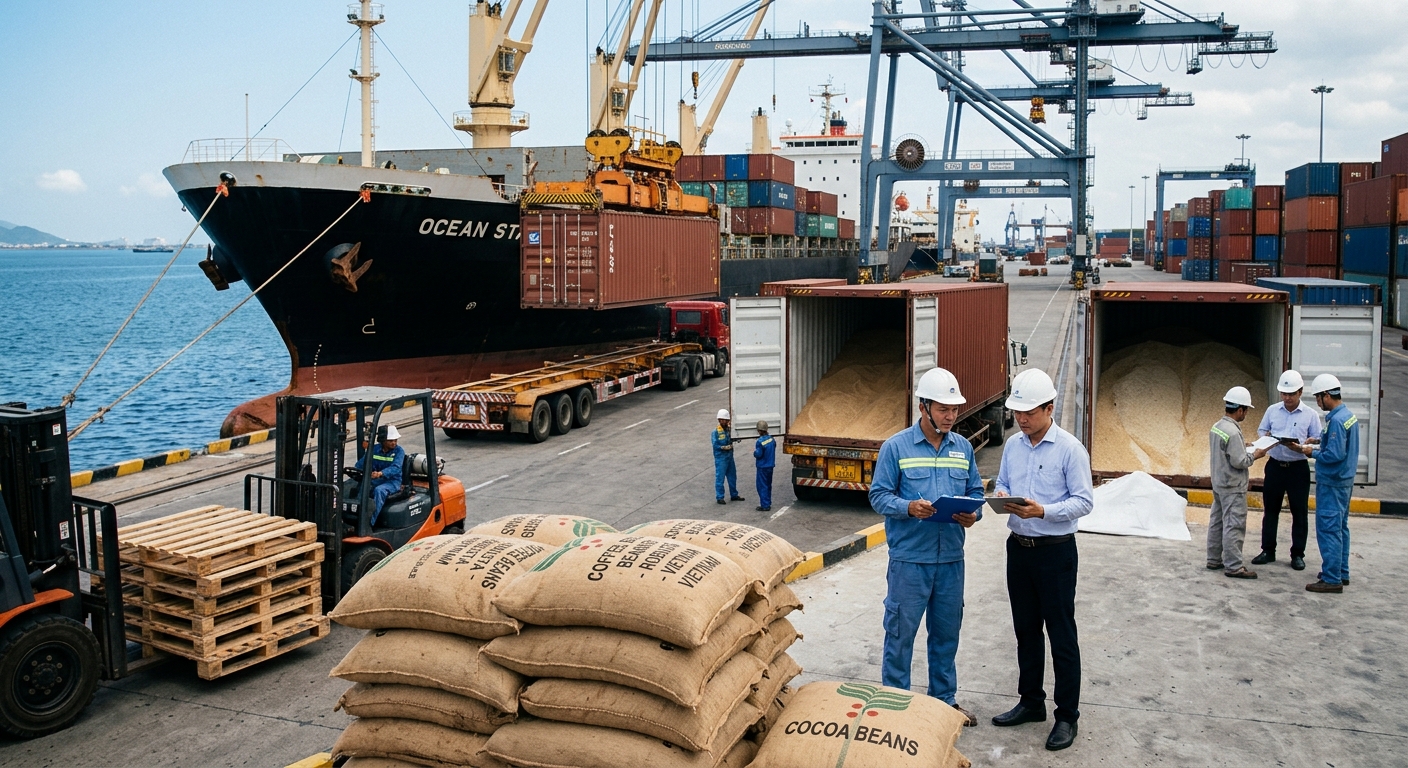
Choosing the best agricultural commodities to import requires a deep understanding of market trends, quality standards, and regulatory frameworks in both the exporting and importing countries. Importers must navigate complex customs regulations, including tariffs and phytosanitary certificates, to ensure a smooth supply chain.
Top Agricultural Commodities to Import
Coffee and Cocoa
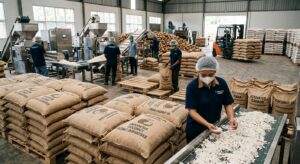
Coffee and cocoa remain two of the most traded agricultural commodities globally. With rising demand for specialty coffee and premium chocolate, sourcing high-quality beans from countries like Colombia, Ethiopia, and Indonesia can yield high profit margins. The key is establishing direct relationships with farmers and cooperatives to ensure consistent quality and ethical sourcing.
Spices and Essential Oils
The global market for spices and essential oils is expanding, driven by the culinary, cosmetic, and pharmaceutical industries. Vanilla, cinnamon, black pepper, and nutmeg are highly sought after. Indonesia, for instance, is a major exporter of high-quality spices. When sourcing these products, understanding local regulations and export codes is vital. Importers often utilize resources like Navigating the Indonesia Customs Tariff Finder and HS Codes: A Comprehensive Guide to accurately classify their imports and estimate duties.
Coco Peat and Growing Media
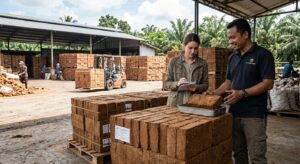
As sustainable agriculture and hydroponics gain traction, the demand for organic growing media has surged. Coco peat, derived from coconut husks, is an excellent soil amendment and growing medium. Indonesia is a leading producer of premium coco peat. For businesses looking to source eco-friendly agricultural inputs, finding a reliable partner is essential. Reading A Complete Guide to Choosing a Sustainable Growing Media Supplier in Indonesia can provide valuable insights into identifying reputable suppliers who prioritize environmental sustainability.
Comparison of High-Demand Agricultural Imports
The following table compares three popular agricultural commodities based on their primary origin, primary use, and market growth rate.
| Commodity | Primary Origin | Primary Use | Market Growth Rate |
|---|---|---|---|
| Coffee Beans | Brazil, Vietnam, Colombia | Beverage Industry | 4.5% Annually |
| Coco Peat | Indonesia, India, Sri Lanka | Agriculture & Hydroponics | 6.2% Annually |
| Vanilla Extract | Madagascar, Indonesia | Food & Cosmetics | 5.1% Annually |
Navigating Import Regulations and Tariffs
Successfully importing agricultural goods requires strict adherence to international trade laws. Every commodity is assigned an HS (Harmonized System) code, which determines the import duty and taxes applicable. Failing to declare the correct HS code can result in severe penalties and shipment delays.
Furthermore, while expanding a diverse import portfolio, some businesses branch out into non-agricultural products from the same regions. For example, if you are sourcing from Southeast Asia, you might also find value in reading A Complete Guide to Importing Furniture from Indonesia: Customs Duty and Regulations to understand the broader regulatory environment of the country.
Partnering with the Right Exporters
Finding a trustworthy exporter is the cornerstone of a successful import business. Look for companies with transparent sourcing practices, robust quality control measures, and a track record of reliable shipping. Many successful importers partner with reputable trade organizations. For instance, you can visit ExportNusa to explore premium agricultural commodities and reliable export services tailored for global buyers.
Conclusion
Importing agricultural commodities offers a vast landscape of opportunities for businesses willing to navigate the complexities of international trade. By focusing on high-demand products like coffee, spices, and sustainable growing media, and by mastering the regulatory requirements and tariff classifications, importers can build resilient and profitable supply chains. Always prioritize working with ethical and reliable suppliers to ensure long-term success.
Frequently Asked Questions
What is the most profitable agricultural commodity to import?
Profitability varies based on market demand and supply chain efficiency, but specialty coffee, premium spices like vanilla, and sustainable growing media such as coco peat currently offer excellent profit margins.
How do I find the correct HS code for my agricultural import?
You can find the correct HS code by consulting your country’s customs authority database or using international tariff finder tools specific to the exporting country to ensure accurate duty calculations.
Why are phytosanitary certificates required for agricultural imports?
Phytosanitary certificates are mandated by importing countries to certify that the agricultural products have been inspected and are free from pests and plant diseases, preventing ecological harm.
Can I import organic agricultural commodities?
Yes, but you must ensure that the exporter holds recognized organic certifications that are accepted by the regulatory bodies in your destination country to market the products as organic.