

Introduction to Sustainable Crude Palm Oil in Sumatra
Sumatra is one of the world’s leading producers of crude palm oil (CPO). As global demand for vegetable oils continues to rise, the spotlight has intensified on the environmental and social impacts of palm oil cultivation. Partnering with sustainable crude palm oil suppliers in Sumatra is no longer just a corporate social responsibility initiative; it is a critical business strategy. These suppliers adopt practices that protect biodiversity, respect local communities, and reduce greenhouse gas emissions.
The Shift Towards Sustainability
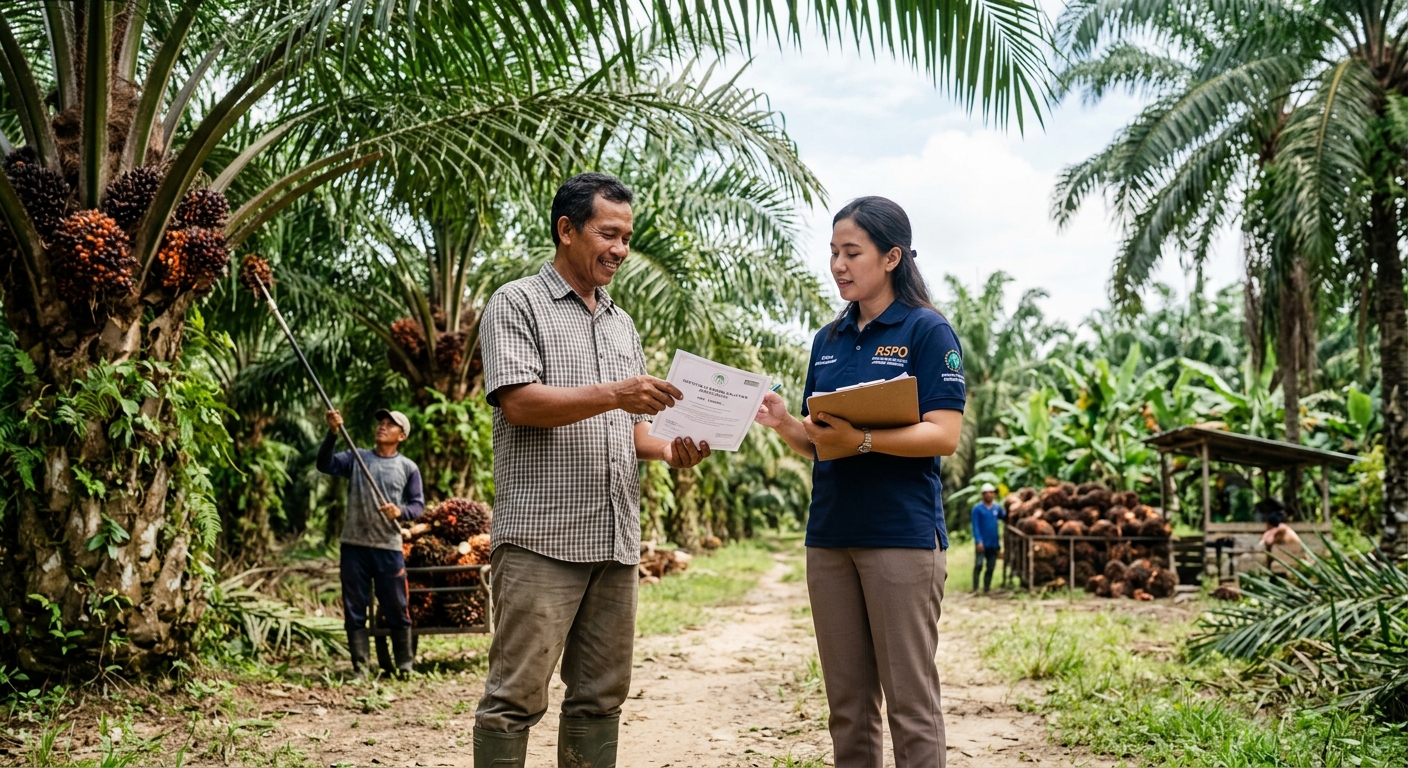
For decades, palm oil expansion in regions like Sumatra led to significant deforestation and habitat loss. However, a strong shift towards sustainability has transformed the industry. Initiatives such as the Roundtable on Sustainable Palm Oil (RSPO) and the Indonesian Sustainable Palm Oil (ISPO) certification schemes have set stringent standards. These certifications ensure that suppliers do not clear primary forests, manage peatlands responsibly, and uphold fair labor practices.
Understanding international trade rules is vital for businesses looking to import CPO. For instance, European buyers must be aware of the Comprehensive Guide to EU Import Regulations for Indonesian CPO, which outlines the strict environmental criteria required to enter the European market.
Evaluating Sumatran Suppliers
When selecting a supplier in Sumatra, buyers must evaluate several factors beyond just price. Traceability is paramount. A reliable supplier should be able to trace their CPO back to the plantation level. This ensures that the oil was not sourced from illegally deforested land.
Furthermore, understanding logistics and trade agreements is crucial. For example, buyers should familiarize themselves with the Comprehensive Guide to the EU-Indonesia Trade Agreement and Export Opportunities to leverage favorable trade conditions.
Comparing Leading Sustainable Certifications
To better understand the differences between major sustainability certifications used by Sumatran suppliers, consider the following comparison.
| Certification | Focus Area | Global Recognition | Audit Frequency |
|---|---|---|---|
| RSPO | Zero deforestation, social rights | High (Global standard) | Annual |
| ISPO | Legal compliance, environmental management | Moderate (Mandatory in Indonesia) | Every 5 years |
| ISCC | Greenhouse gas reduction, traceability | High (Primarily EU) | Annual |
Logistics and Sourcing Considerations
Procuring sustainable CPO involves navigating complex supply chains. Buyers must consider minimum volume requirements when negotiating contracts. To understand the nuances of purchasing volumes, read A Complete Guide to Minimum Order Quantity with Indonesia Suppliers. This knowledge helps in planning inventory and managing cash flow efficiently.
Additionally, many agricultural suppliers in Indonesia diversify their offerings. While sourcing CPO, businesses might also explore other sustainable agricultural products. For those interested in complementary agricultural goods, The Ultimate Guide to Finding an Organic Cocopeat Growing Media Exporter provides excellent insights into sourcing organic growing media from the region.
Conclusion
Sourcing from sustainable crude palm oil suppliers in Sumatra is essential for modern businesses aiming to align with global environmental standards and consumer expectations. By prioritizing certified suppliers, ensuring full traceability, and understanding complex trade regulations, companies can secure a resilient and ethical supply chain. The commitment to sustainability not only protects Sumatra’s rich ecosystems but also ensures the long-term viability of the global palm oil industry.
Frequently Asked Questions (FAQ)
What makes crude palm oil sustainable?
Sustainable crude palm oil is produced without clearing primary forests or high conservation value areas. It involves responsible peatland management, reduction of greenhouse gas emissions, and strict adherence to fair labor practices and human rights.
Why is Sumatra a key region for CPO?
Sumatra possesses the ideal tropical climate and soil conditions for oil palm cultivation. It is one of the oldest and most productive palm oil producing regions in Indonesia, accounting for a massive share of global output.
How can I verify a supplier’s sustainability claims?
You can verify a supplier’s claims by checking their certification status with recognized bodies like RSPO or ISPO. Requesting audit reports, traceability data to the plantation level, and conducting independent third-party audits are also effective methods.