

Introduction to Minimum Order Quantity in Indonesia
When businesses look to expand their supply chains into Southeast Asia, Indonesia emerges as a highly attractive destination. With its vast natural resources, growing manufacturing sector, and strategic location, the country offers significant opportunities for global buyers. However, one of the critical factors that international businesses must navigate is the Minimum Order Quantity (MOQ) set by Indonesian suppliers. Understanding how MOQs work in this region is essential for effective inventory management, cost control, and building long-term vendor relationships.
In this comprehensive guide, we will explore the concept of MOQ within the context of Indonesian manufacturing and wholesale. We will delve into why suppliers enforce these minimums, how you can negotiate better terms, and the various factors that influence these quantities. Whether you are a small e-commerce brand or a large multinational corporation, mastering the nuances of Indonesian MOQs will streamline your procurement process.
Why Do Indonesian Suppliers Set MOQs?
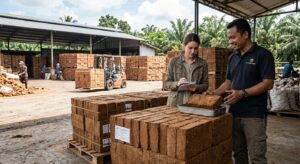
Minimum Order Quantities are not arbitrary numbers; they are carefully calculated figures that ensure a supplier remains profitable. In Indonesia, several factors contribute to the establishment of an MOQ. Firstly, the cost of raw materials often dictates the minimum production run. Suppliers must purchase materials in bulk to secure favorable pricing, and these costs are passed down the supply chain. If you are interested in this aspect, you might want to read A Complete Guide to Sourcing Raw Materials from Indonesia B2B.
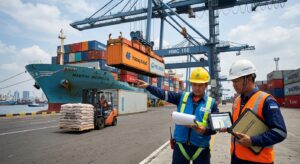
Secondly, factory setup costs play a significant role. Preparing production lines, calibrating machinery, and training workers require upfront investments of time and money. If a production run is too small, these setup costs eat into the profit margin, making the order financially unviable for the supplier. Finally, shipping and logistics within Indonesia’s vast archipelago can be complex and expensive. Shipping larger quantities helps amortize these logistical costs over more units, keeping the per-unit price competitive.
Typical MOQ Ranges Across Industries
The MOQ you encounter will vary drastically depending on the industry and the specific product you are sourcing. Here is a general breakdown of what you might expect:
- Furniture and Handicrafts: Often measured in container loads (e.g., one 20ft container) or a specific number of pieces per design (e.g., 50-100 pieces).
- Apparel and Textiles: Typically ranges from 300 to 1,000 pieces per color/design, heavily dependent on fabric availability.
- Agricultural Products (Coffee, Spices): Usually measured in metric tons, though boutique suppliers may offer smaller bags (e.g., 100 kg).
- Industrial Components: Can range from thousands to tens of thousands of units, depending on the manufacturing process (e.g., injection molding).
How to Negotiate MOQs with Indonesian Suppliers
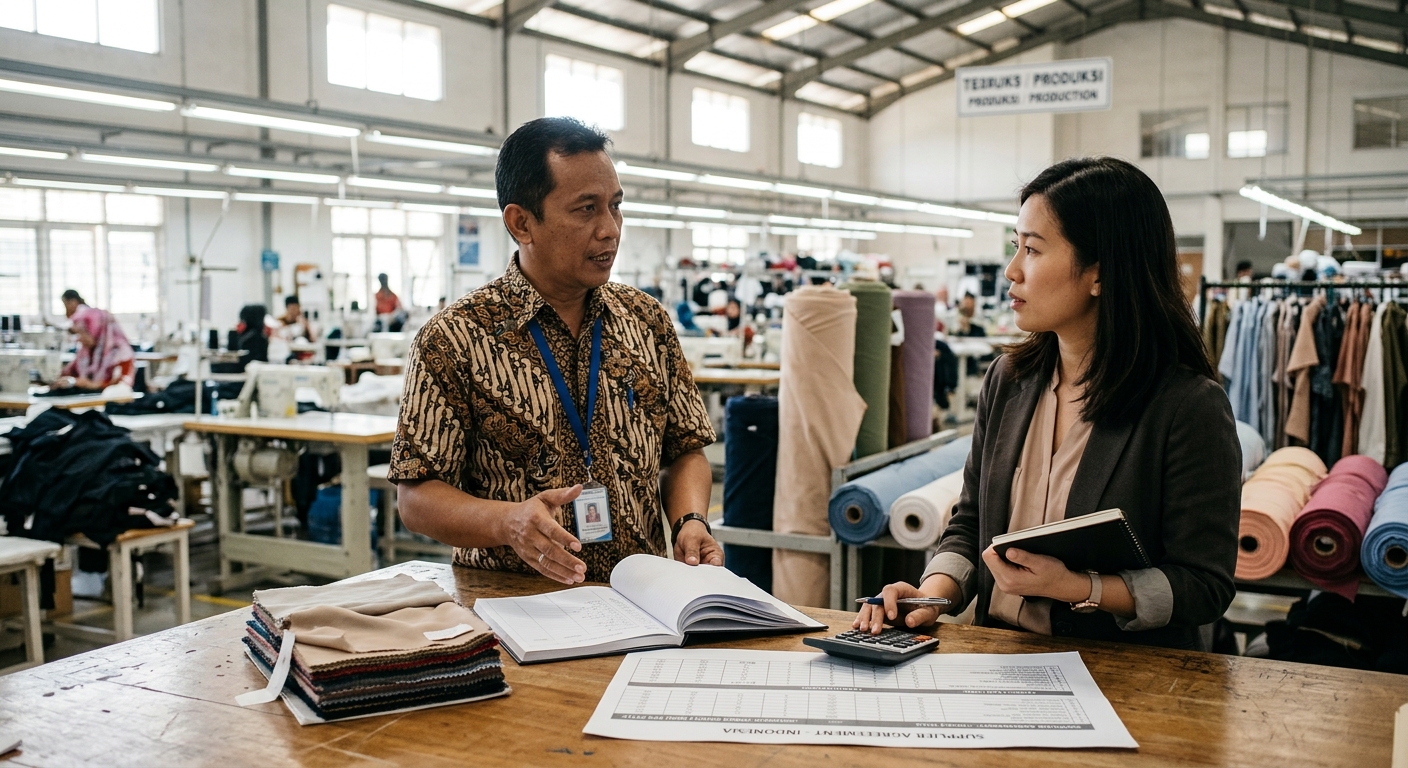
Negotiating MOQs can be challenging, but it is entirely possible, especially if you approach the supplier with a collaborative mindset. Indonesian business culture heavily emphasizes relationships (often referred to as ‘hubungan’). Building trust and showing long-term commitment can significantly improve your negotiating position.
Strategies for Successful Negotiation
1. Pay a Higher Price per Unit: If you cannot meet the MOQ, offer to pay a premium for a smaller run. This compensates the supplier for their setup costs while allowing you to test the market with less inventory risk.
2. Standardize Your Order: Suppliers often have higher MOQs for custom products. If you can use standard materials, colors, or components that the supplier already has in stock, they may be willing to lower the MOQ.
3. Bundle Products: If you are ordering multiple different items from the same supplier, ask if they will accept a combined MOQ across the total order value rather than per item.
4. Demonstrate Long-Term Potential: Share your business plan and growth projections. If a supplier believes you will become a high-volume buyer in the future, they may be willing to take a risk on a smaller initial order.
For more insights on building international trade connections and finding reputable partners, you can explore resources at Export Nusa, which connects global buyers with Indonesian enterprises.
The Impact of Trade Agreements and Customs Duties
When calculating the true cost of meeting an MOQ, it is vital to factor in customs duties, taxes, and international trade agreements. These additional costs can significantly impact your bottom line and should influence your purchasing decisions.
Before placing a large order to meet an MOQ, you must understand the import tariffs applicable to your products. For a detailed breakdown, review this Comprehensive Guide to Customs Duty Rates for Importing from Indonesia. Furthermore, bilateral and multilateral trade agreements can offer tariff reductions or exemptions. For example, buyers in the European Union should familiarize themselves with the Understanding IEU CEPA Trade Agreement Tariffs: A Comprehensive Guide to leverage potential cost savings.
Comparing High MOQ vs. Low MOQ Suppliers
When sourcing from Indonesia, you will encounter both large-scale manufacturers with high MOQs and smaller, perhaps artisanal, suppliers with low MOQs. Each comes with its own set of advantages and disadvantages.
| Factor | High MOQ Suppliers (Large Factories) | Low MOQ Suppliers (SMEs/Artisans) |
|---|---|---|
| Cost per Unit | Lower (Economies of scale) | Higher |
| Production Capacity | High (Can handle large, sudden orders) | Limited (Prone to delays on large orders) |
| Customization | Often requires high volume for custom molds/designs | More flexible, easier to do small custom batches |
| Quality Control | Standardized, automated QA processes | Highly variable, relies on manual checking |
| Financial Risk | High (Large capital tied up in inventory) | Low (Better for market testing) |
Best Practices for Managing Inventory and Cash Flow
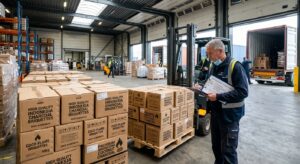
Dealing with large MOQs can strain a company’s cash flow and lead to excess inventory if not managed correctly. To mitigate these risks, consider implementing just-in-time (JIT) inventory systems where possible, or negotiate staggered delivery schedules with your Indonesian supplier. This allows you to commit to the large MOQ (securing the lower price) but receive and pay for the goods in smaller, manageable shipments over time.
Additionally, robust demand forecasting is crucial. Utilize historical sales data, market trends, and predictive analytics to ensure that the volume you are ordering aligns with realistic sales expectations. Over-ordering to meet a supplier’s MOQ can lead to dead stock, warehousing costs, and ultimately, financial loss.
Conclusion
Navigating Minimum Order Quantities with Indonesian suppliers is a critical skill for any global buyer looking to source from this dynamic market. By understanding the underlying reasons for MOQs, employing smart negotiation tactics, and factoring in the broader context of trade agreements and customs duties, you can optimize your procurement strategy. Whether you choose to work with large-scale manufacturers for better pricing or smaller suppliers for greater flexibility, building strong, communicative relationships will be the cornerstone of your success in Indonesia.
Frequently Asked Questions (FAQ)
What does MOQ stand for in manufacturing?
MOQ stands for Minimum Order Quantity. It represents the smallest number of units or the lowest order value that a supplier is willing to produce or sell in a single production run or transaction.
Can I negotiate the MOQ with an Indonesian supplier?
Yes, MOQs are often negotiable. You can offer to pay a slightly higher price per unit, use standard materials instead of custom ones, or build a strong relationship based on projected future volume to persuade a supplier to lower their MOQ.
Why are MOQs for custom products higher?
Custom products usually require the supplier to create new molds, source specific raw materials, and re-calibrate their production lines. These setup costs are high, so suppliers require a larger order volume to ensure the production run is profitable.
How do trade agreements affect my purchasing decisions regarding MOQs?
Trade agreements, like the IEU CEPA, can lower or eliminate import tariffs. If tariffs are reduced, the overall landed cost of your goods decreases, which might free up capital, allowing you to comfortably meet a higher MOQ requirement from your Indonesian supplier.