

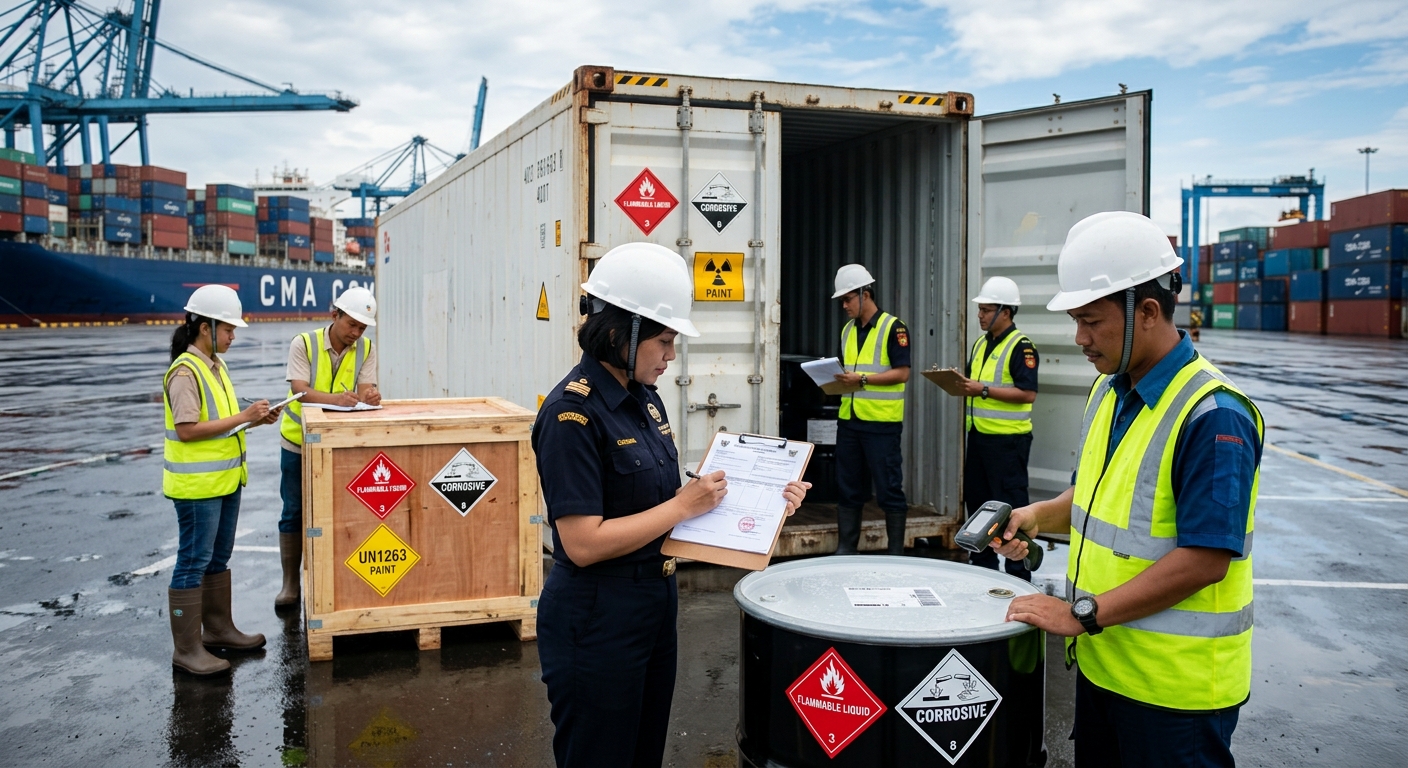
Introduction to Shipping Hazardous Materials from Indonesia
Shipping hazardous materials (hazmat) internationally requires meticulous planning, an understanding of complex regulations, and strict adherence to safety protocols. When exporting these dangerous goods from Indonesia, businesses must navigate a multi-layered regulatory environment involving local Indonesian laws and international standards such as the International Maritime Dangerous Goods (IMDG) Code or the International Air Transport Association (IATA) Dangerous Goods Regulations.
Indonesia is a significant exporter of various commodities, including chemicals, gases, and agricultural products that may fall under the hazardous category. Failing to comply with shipping requirements can result in severe penalties, delays, and catastrophic accidents. This guide outlines everything you need to know to ensure a smooth and compliant shipping process.
Understanding Hazardous Materials Classification
Before packing or shipping any product, you must correctly classify it. The United Nations (UN) divides dangerous goods into nine classes, ranging from explosives (Class 1) to miscellaneous dangerous substances (Class 9). Knowing exactly which class your product belongs to dictates the packaging, labeling, and documentation required for transport.
- Class 1: Explosives
- Class 2: Gases
- Class 3: Flammable Liquids
- Class 4: Flammable Solids
- Class 5: Oxidizing Substances and Organic Peroxides
- Class 6: Toxic and Infectious Substances
- Class 7: Radioactive Material
- Class 8: Corrosives
- Class 9: Miscellaneous Dangerous Substances and Articles
Material Safety Data Sheet (MSDS)
The foundation of shipping any hazardous material is the Material Safety Data Sheet (MSDS) or Safety Data Sheet (SDS). This document provides detailed information on the chemical properties, health hazards, protective measures, and safety precautions for handling, storing, and transporting the chemical. Logistics providers and customs authorities will always request the MSDS before accepting your cargo.
Navigating Export Documentation in Indonesia
Exporting from Indonesia requires a robust set of documents, especially for hazardous goods. Getting this right is crucial to avoid your shipment getting stuck at the port. If you are struggling with the paperwork, you might want to look into a Comprehensive Guide to Export Document Preparation Service in Indonesia to streamline your operations.
Standard required documents include the Commercial Invoice, Packing List, Bill of Lading (or Air Waybill), and the Certificate of Origin. However, for dangerous goods, you must also provide a Dangerous Goods Declaration (DGD). This document certifies that the cargo has been packed, labeled, and declared according to international regulations.
Furthermore, when your goods arrive at major hubs, you must understand the local port operations. For instance, you should be familiar with A Complete Guide to the Customs Clearance Process at the Port of Jakarta to anticipate timelines and potential hurdles during the export phase.
Packaging and Labeling Standards
Proper packaging is non-negotiable. Hazardous materials must be packed in UN-certified packaging. These packages undergo rigorous testing (drop tests, stack tests, and pressure tests) to ensure they can withstand the rigors of international transport.
Equally important is labeling. Packages must bear the correct hazard class diamond labels, the UN number, and the proper shipping name. The labels must be durable and weather-resistant, ensuring they remain legible throughout the journey. If the cargo is loaded into an ocean freight container, the container itself must be properly placarded on all four sides.
Working with Indonesian Suppliers and Factories
When sourcing chemicals or hazardous goods from Indonesia, clear communication with the manufacturer is essential. You must ensure they are capable of providing the correct MSDS and proper UN-certified packaging. Sometimes, smaller factories may not be familiar with international hazardous shipping standards. When establishing these relationships, you may also need to negotiate terms effectively. Reading Mastering the Art of Negotiating MOQ with Indonesian Factories can provide valuable insights into building successful partnerships with local manufacturers.
Specific Commodity Regulations
Different commodities carry unique regulatory burdens. For example, some agricultural by-products or refined oils can be classified as hazardous depending on their flashpoint or chemical composition. If you are exporting specific oils to stringent markets like Europe, you need to be aware of their specific rules. Check out this Comprehensive Guide to EU Import Regulations for Indonesian CPO for a deeper understanding of how European regulations impact Indonesian exports.
Choosing the Right Freight Forwarder
Not all logistics companies are equipped or certified to handle dangerous goods. You must partner with a freight forwarder that specializes in hazmat shipping. They will have certified personnel who can sign the Dangerous Goods Declaration, liaise with carriers who accept hazardous cargo, and handle complex customs requirements in both Indonesia and the destination country.
The following table compares standard freight forwarding versus specialized hazardous materials forwarding based on several critical service attributes.
| Service Type | Staff Certification | Carrier Network | Compliance Liability Check | Documentation Support |
|---|---|---|---|---|
| Standard Freight Forwarding | General logistics training | Broad, general cargo networks | Basic customs document review | Standard invoice & packing list |
| Hazmat Freight Forwarding | IMDG / IATA Dangerous Goods certified | Specialized carriers accepting DG | Rigorous MSDS & packaging audit | Preparation of Dangerous Goods Declaration |
Conclusion
Shipping hazardous materials from Indonesia is a complex but manageable process if you adhere strictly to international regulations and local export procedures. By understanding your product’s classification, ensuring UN-certified packaging, preparing the meticulous documentation required, and partnering with experienced hazardous materials logistics providers, you can mitigate risks and ensure your goods reach their destination safely and legally. Always stay updated on the latest regulatory changes in both Indonesia and your target import markets to maintain a seamless supply chain.
Frequently Asked Questions
What is the most important document for shipping hazardous materials?
The Material Safety Data Sheet (MSDS) is the most critical document. It provides all the necessary chemical information, hazard classifications, and handling instructions required by freight forwarders, carriers, and customs authorities to process the shipment safely.
Can I pack hazardous materials in standard cardboard boxes?
No, hazardous materials must be packed in UN-certified packaging. These packages are specifically tested and approved to hold dangerous goods and prevent leaks or reactions during transport.
Do all shipping lines and airlines accept hazardous materials from Indonesia?
No. Many carriers have strict policies regarding dangerous goods, and some refuse to carry certain classes of hazardous materials altogether. You must work with a specialized freight forwarder to find a carrier that is licensed and willing to transport your specific UN class of goods.
What happens if hazardous goods are misdeclared?
Misdeclaring dangerous goods is a serious offense that can lead to massive fines, confiscation of the cargo, shipping bans, and severe legal consequences. In the worst-case scenario, it can cause catastrophic accidents aboard a ship or aircraft.