

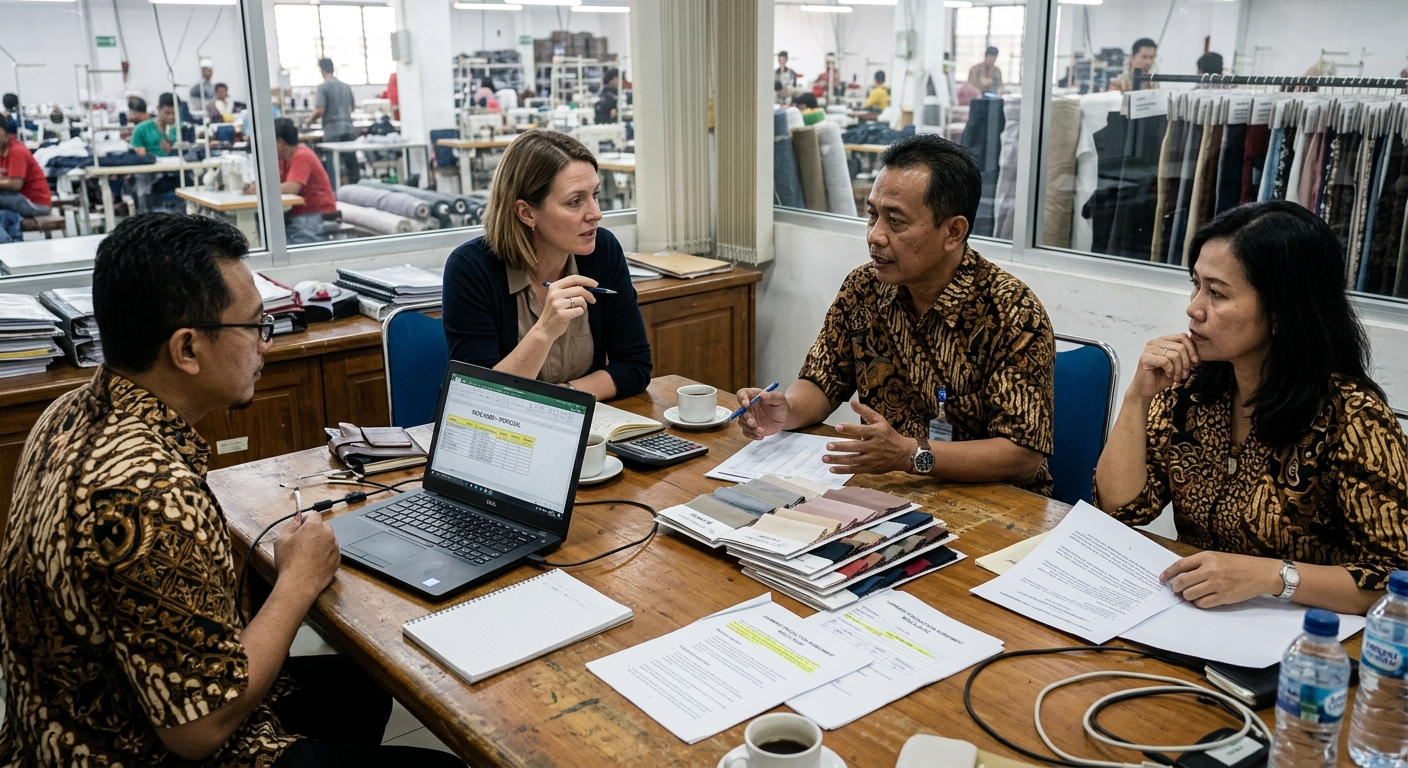
Introduction to Sourcing and Negotiating in Indonesia
As global supply chains continue to diversify, Indonesia has emerged as a powerhouse for manufacturing and agricultural exports. With abundant natural resources, a skilled workforce, and competitive pricing, businesses worldwide are turning to the archipelago for their sourcing needs. However, one of the most common hurdles importers face when dealing with new suppliers is the Minimum Order Quantity (MOQ). Negotiating MOQ with Indonesian factories requires a nuanced approach that blends standard business acumen with a deep understanding of local culture and economic realities.
Understanding how to effectively lower or manage MOQs can make the difference between launching a successful product line and tying up too much capital in untested inventory. This comprehensive guide will walk you through the strategies, cultural nuances, and logistical considerations necessary to negotiate MOQs successfully with Indonesian manufacturers.
Understanding the Indonesian Business Culture
In Indonesia, business is heavily relationship-driven. The concept of ‘Gotong Royong’ (mutual cooperation) permeates both social and professional interactions. Unlike Western business cultures that often prioritize immediate transactional efficiency, Indonesian suppliers value trust, respect, and long-term potential.
When approaching a factory, demanding a lower MOQ right out of the gate is rarely successful. Instead, importers should invest time in building rapport. Face-to-face meetings, whether virtual or in-person, polite communication, and showing a genuine interest in a mutually beneficial partnership go a long way. When the factory owner feels that you are committed to growing together, they are much more likely to be flexible with their initial production requirements.
Strategies for Negotiating Lower MOQs
Negotiating a lower MOQ is not about forcing the factory to take a loss; it is about mitigating their risk while accommodating your capital constraints. Here are several effective strategies:
1. Offer to Pay a Higher Unit Price for the Trial Order
Factories set MOQs to ensure the production run covers their setup costs and yields a reasonable profit. If you need a smaller quantity to test the market, offer to pay a premium (e.g., 15% to 30% higher) for the initial batch. Once the product proves successful and you place larger orders, the price can revert to the standard bulk rate.
2. Standardize Your Product Components
Customization is the enemy of low MOQs. If your product requires custom molds, unique fabrics, or specialized raw materials, the factory must order those inputs in bulk from their own suppliers. By using off-the-shelf components and standard materials that the factory already stocks, you drastically reduce their upfront costs, making them more amenable to a lower MOQ.
3. Present a Clear Growth Plan
Indonesian manufacturers want to partner with growing brands. When presenting your initial inquiry, include a strategic business plan. Show them your marketing budget, past sales channels, and projected order volumes for the next 12 to 24 months. If they believe taking a small initial order will lead to massive future contracts, they will often view the low MOQ as an investment in a new client. For insights into finding the right partners for this approach, you can read Finding Reliable B2B Agricultural Suppliers in Indonesia: A Strategic Guide.
Navigating Specific Industries in Indonesia
Indonesia excels in various specific export sectors, particularly in agriculture and eco-friendly products. The approach to MOQ can vary significantly depending on the industry.
Eco-Friendly and Agricultural Products
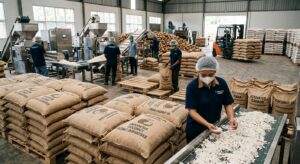
Products like organic growing media, rattan furniture, and charcoal are massive export drivers. Because these products often rely on seasonal harvests and bulk processing, MOQs are frequently tied to container sizes rather than unit counts. For example, when dealing with coconut derivatives, suppliers often expect orders in 20ft or 40ft containers. Understanding the nuances of these specific imports is critical, as detailed in the Comprehensive Guide to Organic Growing Media Bulk Import: Navigating International Sourcing.
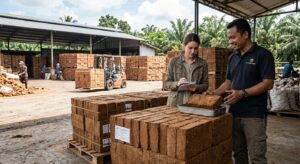
Similarly, the charcoal industry has its own standards. Briquettes require significant mixing and drying time, meaning small batches disrupt factory efficiency. If you are exploring this sector, reviewing the Coconut Charcoal Briquettes Wholesale Indonesia: A Complete Guide will provide context on why MOQs are structured the way they are, helping you negotiate from an informed position.
Logistics and Shipping Considerations
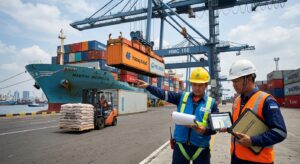
One of the hidden factors dictating MOQ is logistics. In Indonesia, moving goods from rural factories to major ports involves complex domestic freight logistics. Factories often set MOQs based on what makes economic sense to transport to the port. If an order is too small, the domestic trucking costs eat up the entire profit margin.
Understanding the local infrastructure can give you an edge in negotiations. If you understand port locations and shipping routes, you might suggest consolidating your small order with other shipments or taking on the ex-works (EXW) domestic transport yourself. To grasp these complexities, it is highly recommended to study the Indonesia Logistics Infrastructure and Shipping Ports: A Comprehensive Overview.
Typical MOQ Expectations by Sector
To help you prepare for negotiations, below is a table outlining the typical MOQ expectations across various Indonesian export sectors. Keep in mind that these are baseline figures and are subject to negotiation based on the strategies outlined above.
| Industry / Product Category | Typical Standard MOQ | Negotiated Trial MOQ Potential |
|---|---|---|
| Textiles & Garments | 500 – 1,000 pieces per style | 200 – 300 pieces (with premium) |
| Wooden Furniture | 1 x 20ft Container | 5 – 10 CBM (LCL Shipment) |
| Agricultural Commodities | 1 x 20ft Container (approx 10-15 tons) | 1 – 2 tons (depends on packaging) |
| Coconut Charcoal Briquettes | 1 x 20ft Container (approx 18 tons) | 3 – 5 tons (if standard sizing) |
| Handicrafts & Home Decor | 200 – 500 pieces | 50 – 100 pieces |
Conclusion
Negotiating MOQ with Indonesian factories is an art that requires patience, cultural intelligence, and a strategic mindset. By focusing on relationship-building, offering fair compromises like higher trial prices, and understanding the logistical and material realities of the factory, you can successfully lower entry barriers. Remember that Indonesian suppliers are looking for reliable, long-term partners. If you can demonstrate your potential for growth and treat them with respect, you will find them to be highly accommodating and valuable allies in your global supply chain.
Frequently Asked Questions (FAQ)
Why do Indonesian factories insist on high MOQs?
Factories set high MOQs to ensure that the cost of setting up the production line, sourcing raw materials, and handling domestic logistics is covered while maintaining a viable profit margin. Small orders often cost the factory money in downtime and administrative overhead.
Can I combine different products to meet a factory’s MOQ?
Yes, this is a very effective strategy. If a factory produces multiple items you are interested in, you can often negotiate a ‘mixed container’ MOQ. Instead of ordering 1,000 units of one item, you might order 250 units of four different items, provided they use similar manufacturing processes.
How important is speaking Bahasa Indonesia during negotiations?
While many export-oriented factory managers speak English, making an effort to use basic Bahasa Indonesia greetings shows immense respect for the local culture. It helps break the ice and accelerates the relationship-building process, which is crucial for getting concessions on MOQs.
Is it better to negotiate MOQ over email or in person?
While email is standard for initial contact, major negotiations regarding MOQs and pricing are heavily favored via direct communication. Video calls on platforms like Zoom or WhatsApp are highly recommended if you cannot travel to Indonesia, as they allow for real-time relationship building.