

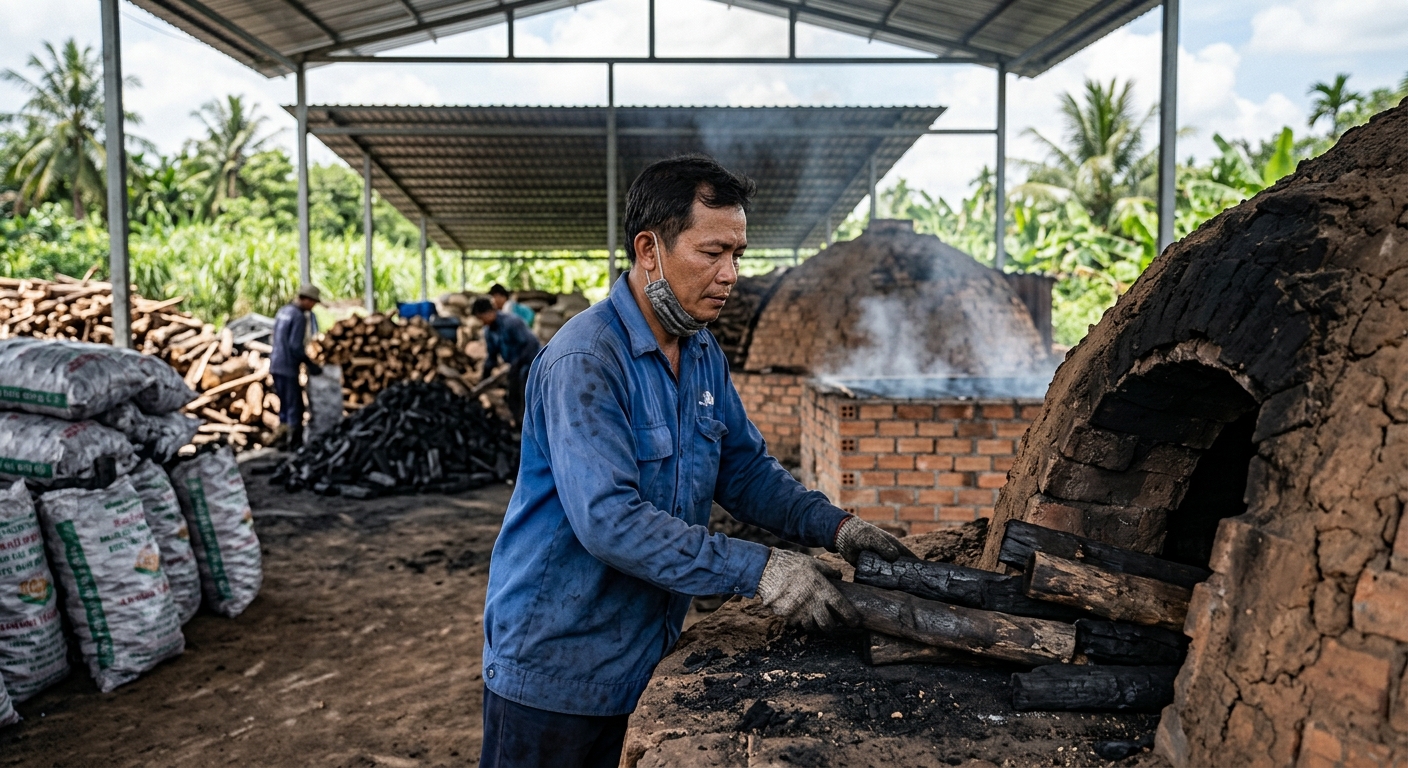
The Rise of BBQ Charcoal Manufacturers in Southeast Asia
In recent years, the global demand for high-quality BBQ charcoal has surged, driven by a growing appreciation for outdoor grilling and specialized culinary techniques. Among the most prominent regions meeting this demand is Southeast Asia. A bbq charcoal manufacturer southeast asia often leverages abundant natural resources, particularly coconut shells and sustainable wood sources, to produce premium charcoal that burns hotter, longer, and cleaner than traditional alternatives.
Southeast Asia’s unique geographical and agricultural landscape makes it an ideal hub for charcoal production. The region’s vast coconut plantations and well-managed forestry initiatives provide a steady supply of raw materials. This not only ensures consistent product quality but also promotes eco-friendly manufacturing practices that are increasingly important to global consumers and importers.
Why Source Charcoal from Southeast Asia?
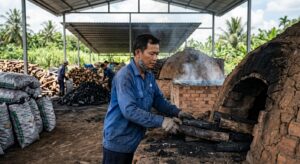
Sourcing charcoal from this region offers numerous advantages. Manufacturers here have perfected the art of carbonization and briquetting, resulting in products with high fixed carbon content, low ash residue, and minimal smoke. These characteristics are essential for professional chefs and barbecue enthusiasts who demand reliable performance without compromising the flavor of their food.
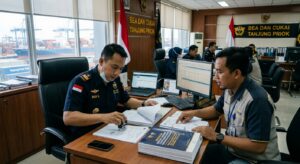
Furthermore, the competitive pricing and advanced logistics infrastructure in countries like Indonesia, Vietnam, and Malaysia make exporting highly efficient. For businesses looking to establish reliable supply chains, partnering with a reputable charcoal export company can streamline the procurement process and ensure adherence to international quality standards.
Types of Charcoal Produced in the Region
Manufacturers in Southeast Asia produce a diverse range of charcoal products tailored to specific uses. Understanding the differences between these types can help buyers make informed purchasing decisions.
Below is a comparison of the most common types of BBQ charcoal produced in Southeast Asia, highlighting their key characteristics.
| Charcoal Type | Raw Material | Burn Time | Ash Content |
|---|---|---|---|
| Coconut Shell Briquettes | Coconut Shells | 120-150 minutes | Under 3% |
| Hardwood Lump | Mangrove / Halaban | 90-120 minutes | Under 5% |
| Sawdust Briquettes | Hardwood Sawdust | 240-300 minutes | Under 4% |
Coconut Shell Briquettes
Coconut shell briquettes are arguably the most sought-after export from the region. Known for their exceptional density and high heat output, they are completely natural and free from chemical additives. This makes them ideal for both BBQ and hookah applications. In fact, if you are looking to expand your inventory, reading Wholesale Coconut Charcoal for Hookah: The Ultimate Guide can provide deep insights into this specific niche.
Hardwood Lump Charcoal
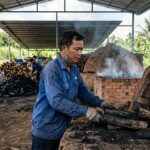
Hardwood lump charcoal, often made from woods like Halaban or Mangrove, is prized for its quick ignition and intense heat. It imparts a traditional smoky flavor to meats and vegetables, making it a favorite among barbecue purists. Manufacturers in Southeast Asia are increasingly adopting sustainable harvesting methods to ensure the long-term viability of these wood sources.
Sustainability in Southeast Asian Charcoal Manufacturing
Sustainability is no longer a buzzword; it is a critical requirement in international trade. The best BBQ charcoal manufacturers in Southeast Asia are deeply committed to environmentally friendly practices. By utilizing agricultural by-products—such as coconut shells that would otherwise be discarded—they contribute to a circular economy and reduce waste.
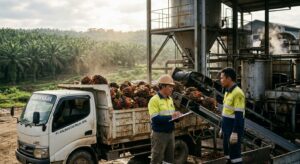
This commitment to sustainability extends beyond charcoal. Similar agricultural sectors in the region are also prioritizing eco-friendly practices. For example, buyers interested in sustainable agriculture should explore A Comprehensive Guide to Sourcing Cocopeat from Indonesia for the European Market and A Guide to Sustainable Crude Palm Oil Suppliers in Sumatra to understand the broader context of responsible sourcing in Southeast Asia.
Quality Control and Export Standards
To compete on a global scale, a BBQ charcoal manufacturer in Southeast Asia must adhere to stringent quality control protocols. This involves rigorous testing for moisture levels, fixed carbon percentage, and ash characteristics. Many top-tier factories maintain ISO certifications and comply with REACH regulations for the European market.
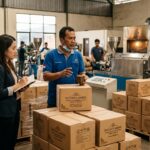
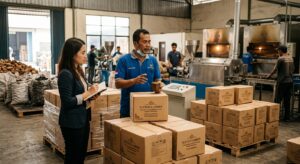
Packaging is another crucial aspect of the export process. Charcoal must be protected from moisture during transit, often requiring durable inner plastic linings and sturdy corrugated boxes. Experienced manufacturers offer private labeling (OEM) services, allowing international brands to customize packaging to suit their target demographics.
Conclusion
Southeast Asia has firmly established itself as a premier destination for sourcing high-quality BBQ charcoal. By combining abundant natural resources with advanced manufacturing techniques and a commitment to sustainability, producers in this region deliver exceptional value to global markets. Whether you require coconut shell briquettes for long, smokeless burns or hardwood lump charcoal for traditional grilling, partnering with a reputable BBQ charcoal manufacturer in Southeast Asia can significantly elevate your product offerings and satisfy the most discerning customers.
Frequently Asked Questions
What makes Southeast Asian coconut charcoal superior?
Coconut charcoal from Southeast Asia has a very high fixed carbon content, meaning it burns much hotter and longer than traditional wood charcoal. It also produces virtually no smoke or sparks, and leaves behind minimal ash.
Are Southeast Asian charcoal manufacturers environmentally sustainable?
Yes, many reputable manufacturers prioritize sustainability by using agricultural waste products like coconut shells and sawdust, or by sourcing wood from sustainably managed plantations, thereby preventing deforestation.
How can I ensure the quality of charcoal imported from this region?
Ensure quality by requesting product samples, verifying laboratory test reports for carbon and moisture content, and checking for international certifications such as ISO. Partnering with established exporters also minimizes quality risks.
Do manufacturers in Southeast Asia offer private label packaging?
Absolutely. The majority of export-oriented charcoal manufacturers in Southeast Asia provide Original Equipment Manufacturer (OEM) services, allowing you to design and print your own custom brand packaging.