

Introduction to Importing from Indonesia
As the global market continues to expand, businesses are increasingly looking toward Southeast Asia for manufacturing and sourcing opportunities. Indonesia, with its vast natural resources and growing industrial base, has become a prime destination for international trade. However, navigating the customs and tariffs associated with importing goods from this vibrant archipelago can be a complex endeavor. Understanding the regulatory environment is crucial for businesses aiming to optimize their supply chains and minimize costs.
In this comprehensive guide, we will explore the intricacies of Indonesian customs regulations, the tariff structures, and the necessary documentation required for a smooth import process. Whether you are importing textiles, electronics, or agricultural products, a solid grasp of these elements is essential for success.
Understanding Indonesian Customs Regulations
The Indonesian Directorate General of Customs and Excise (DJBC) is the primary authority overseeing the import and export of goods. The regulatory framework is designed to protect domestic industries, ensure national security, and collect state revenue. When importing from Indonesia, it is imperative to comply with all local laws to avoid delays, fines, or the confiscation of goods.
One of the first steps in the import process is establishing a clear contractual relationship with your supplier. Properly structured agreements can mitigate risks and clarify responsibilities regarding customs clearance and tariff payments. For a deeper understanding of this process, consider reading How to Draft an Indonesian Supply Agreement: A Comprehensive Guide.
Key Import Documents
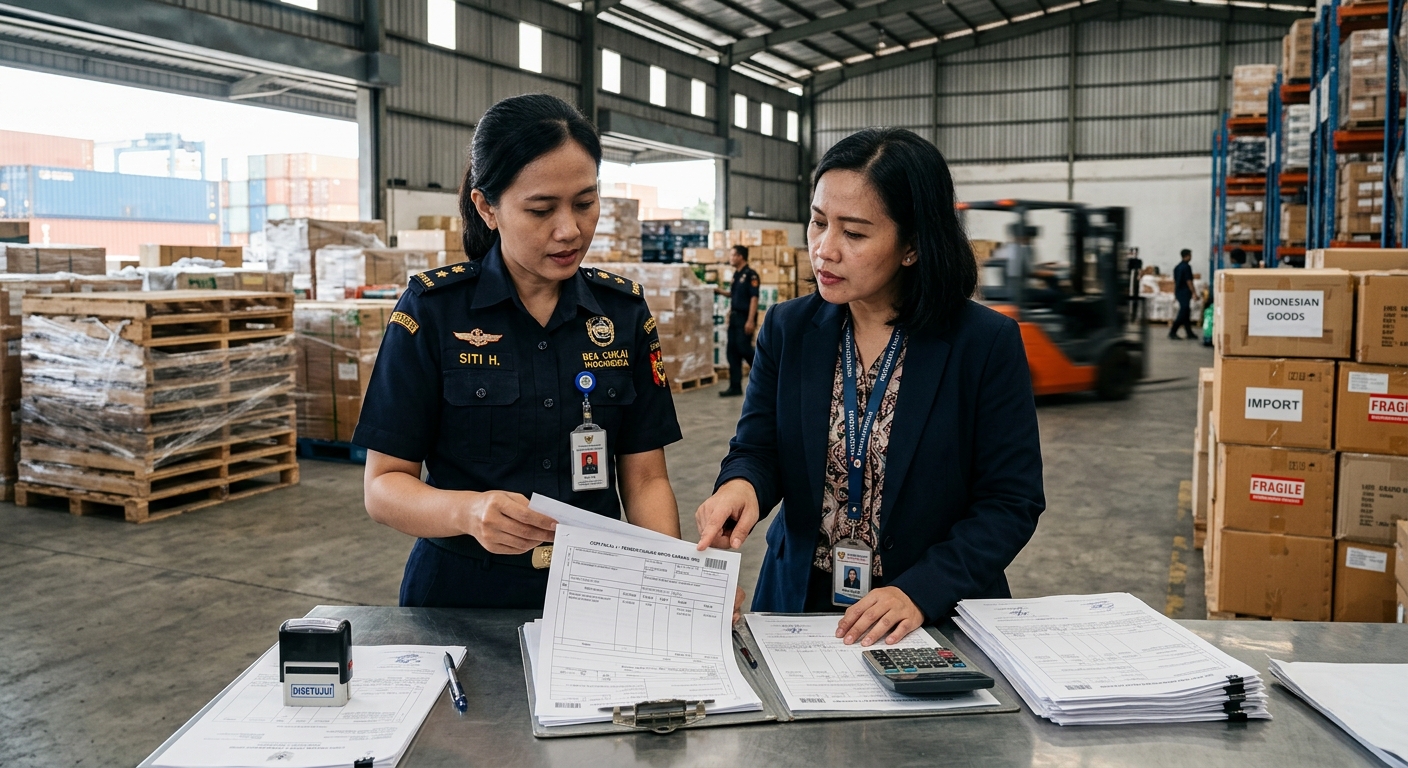
To successfully clear customs when importing from Indonesia, several key documents must be prepared and submitted. Missing or inaccurate documentation is one of the leading causes of customs delays. The standard documents include:
- Commercial Invoice: A detailed bill of sale provided by the Indonesian supplier.
- Packing List: A document detailing the contents, weight, and dimensions of each package.
- Bill of Lading (B/L) or Air Waybill: The official shipping document issued by the carrier.
- Certificate of Origin (CoO): A document proving that the goods were produced in Indonesia, which is essential for claiming preferential tariff rates under free trade agreements.
- Import Licenses and Permits: Specific goods may require special permits from relevant Indonesian ministries before they can be exported.
Tariffs and Duties
Tariffs are taxes imposed on imported goods, and they vary significantly depending on the nature of the product and the destination country. When importing from Indonesia, the Harmonized System (HS) code is used to classify the goods and determine the applicable tariff rate. Accurate classification is critical; an incorrect HS code can lead to overpayment of duties or penalties for underpayment.
Many countries have Free Trade Agreements (FTAs) or Generalized System of Preferences (GSP) programs with Indonesia, which can significantly reduce or eliminate import duties. It is highly advisable to consult with a customs broker or trade expert to leverage these agreements effectively. For instance, if you are sourcing agricultural goods, understanding these tariffs can make a substantial difference in your profit margins. If you are looking into specific agricultural products, you might find The Ultimate Guide to Bulk Buy Coco Peat Pellets for Your Agricultural Needs highly beneficial.
Calculating Landed Cost
The landed cost is the total price of a product once it has arrived at the buyer’s door. This calculation must include the original cost of the goods from the Indonesian supplier, freight charges, insurance, and all applicable customs duties and taxes. accurately calculating the landed cost is vital for pricing strategies and determining the overall viability of importing a specific product.
Sourcing Specific Products from Indonesia
Indonesia is renowned for its diverse range of export products. From high-quality furniture to raw agricultural commodities, the opportunities are vast. However, the customs requirements and tariffs can vary greatly depending on the product category.
For businesses interested in the thriving coconut industry, Indonesia is a global leader. Sourcing these products requires specific knowledge of export regulations and quality standards. If this aligns with your business goals, reading A Complete Guide to Partnering with a Wholesale Coconut Products Distributor in Indonesia will provide valuable insights into the market and logistical considerations.
Furthermore, establishing a reliable network of suppliers is paramount. Working with established platforms and companies can streamline the process. For broad sourcing needs and expert guidance, you can visit ExportNusa to explore a wide array of export-ready products and services.
Common Pitfalls and How to Avoid Them
Importing from Indonesia, like any international trade endeavor, comes with its share of challenges. Being aware of common pitfalls can save businesses significant time and money.
- Incomplete Documentation: Always double-check that all required documents are accurate, signed, and submitted on time.
- Incorrect HS Classification: Invest time in accurately classifying your goods to ensure the correct tariff rates are applied.
- Ignoring Local Regulations: Stay updated on changes to Indonesian export laws and regulations in your home country.
- Poor Communication with Suppliers: Maintain clear and consistent communication with your Indonesian partners to ensure alignment on shipping schedules and documentation requirements.
The table below compares standard import documentation requirements versus the requirements when utilizing a Free Trade Agreement (FTA) to import goods from Indonesia.
| Requirement Type | Standard Import | FTA Import |
|---|---|---|
| Commercial Invoice | Required | Required |
| Packing List | Required | Required |
| Certificate of Origin | Optional (for record) | Mandatory (Specific format) |
| Tariff Rate Applied | Standard MFN Rate | Preferential/Reduced Rate |
Working with Customs Brokers and Freight Forwarders
Given the complexities of customs and tariffs, many businesses choose to partner with experienced customs brokers and freight forwarders. These professionals possess deep knowledge of the regulatory landscape and can facilitate smooth customs clearance. A good freight forwarder will handle the logistics of moving goods from the Indonesian factory to your final destination, while a customs broker will ensure that all duties are paid and documentation is compliant with local laws.
When selecting a partner, look for firms with specific experience handling imports from Indonesia. Their established relationships with shipping lines and customs officials can be invaluable in overcoming logistical hurdles and ensuring timely delivery of your products.
Conclusion
Importing goods from Indonesia offers significant opportunities for businesses seeking high-quality products at competitive prices. However, success in this arena requires a thorough understanding of customs regulations, tariff structures, and documentation requirements. By diligently preparing your paperwork, accurately classifying your goods, and leveraging the expertise of customs brokers and reliable suppliers, you can navigate the complexities of international trade with confidence. As the global supply chain continues to evolve, staying informed and proactive will ensure that your importing operations remain efficient and profitable.
Frequently Asked Questions
What is the most important document for importing from Indonesia?
The Commercial Invoice and the Bill of Lading are crucial, but the Certificate of Origin (CoO) is arguably the most important if you wish to claim preferential tariff rates under a Free Trade Agreement.
How do I determine the correct tariff rate for my goods?
You must determine the correct Harmonized System (HS) code for your product. Once you have the HS code, you can consult your country’s customs tariff schedule to find the applicable duty rate.
Do I need a customs broker to import from Indonesia?
While it is not strictly legally required in all jurisdictions to use a customs broker, it is highly recommended. Brokers possess the expertise to navigate complex regulations, preventing costly delays and penalties.
Can tariffs be reduced when importing from Indonesia?
Yes, if your country has a Free Trade Agreement (FTA) or a Generalized System of Preferences (GSP) arrangement with Indonesia, you may be eligible for reduced or zero tariffs, provided your goods meet the specific rules of origin.