

Introduction to Indonesia’s Coconut Industry
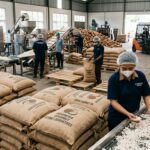
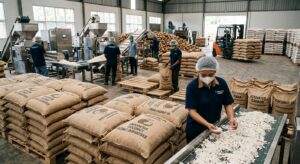
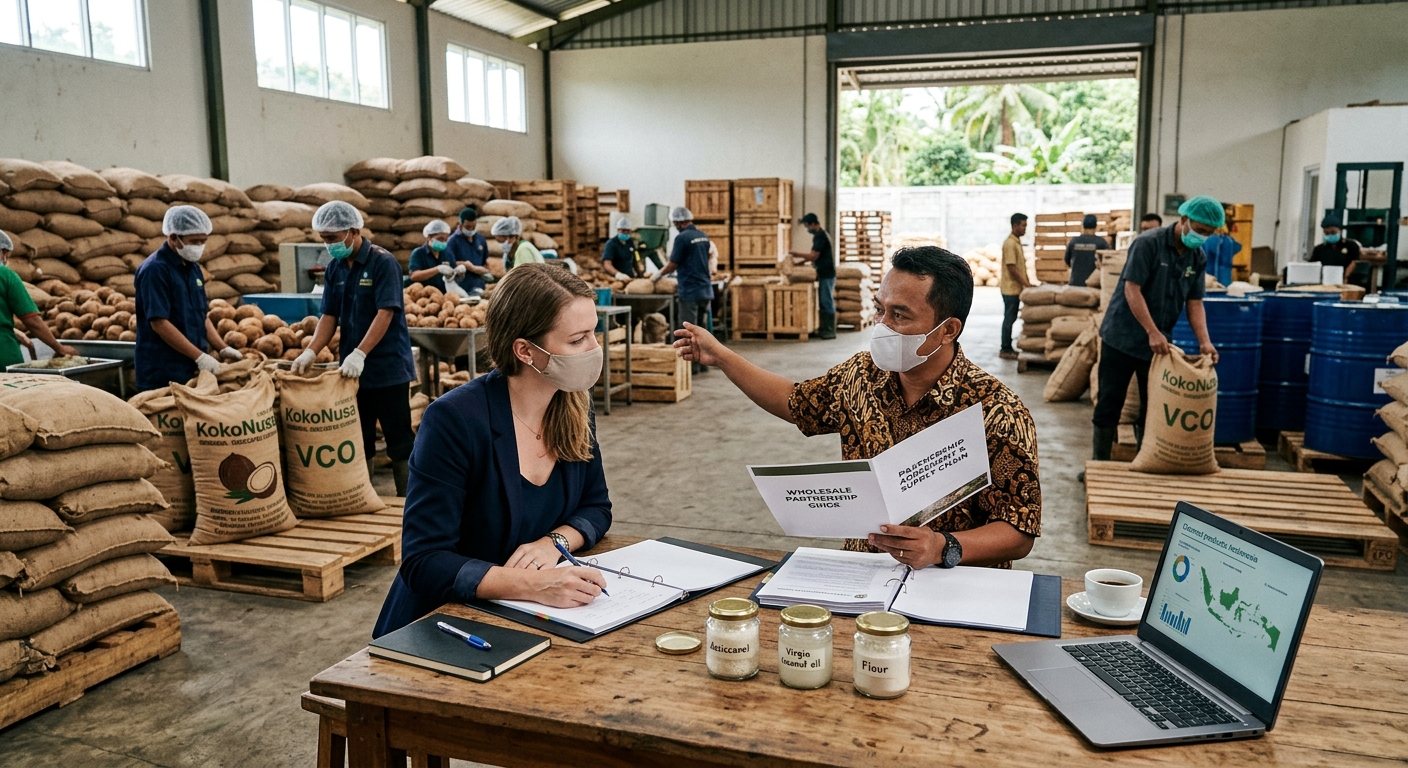
Indonesia stands as one of the world’s leading producers of coconuts, blessed with an ideal tropical climate and vast archipelagic geography. For businesses around the globe, partnering with a reliable wholesale coconut products distributor in Indonesia opens doors to a diverse range of high-quality, sustainable goods. From culinary staples like coconut oil and milk to industrial materials like coconut shell charcoal, the Indonesian market offers unparalleled opportunities for B2B buyers looking to source premium products at competitive prices.
The Strategic Advantage of Sourcing from Indonesia
Working directly with a wholesale coconut products distributor in Indonesia provides several strategic advantages for international businesses. First and foremost is the scale of production. With millions of hectares dedicated to coconut plantations, Indonesia can meet massive wholesale demands without compromising on quality.
Furthermore, Indonesian distributors often practice sustainable farming and harvesting methods, which appeal to the growing global demand for eco-friendly products. Many of these distributors are deeply integrated with local farming communities, ensuring fair trade practices and consistent supply chains. To navigate this robust market efficiently, many businesses choose to consult a B2B platform that connects international buyers with verified Indonesian suppliers.
Diverse Range of Wholesale Coconut Products
A reputable wholesale coconut products distributor in Indonesia typically offers a wide array of products suitable for various industries, including food and beverage, cosmetics, and manufacturing.
Edible Coconut Products
- Desiccated Coconut: Used extensively in baking and confectionery, available in fine and macaron grades.
- Virgin Coconut Oil (VCO): Highly sought after in both the culinary and cosmetic industries for its health benefits.
- Coconut Sugar: A low-glycemic sweetener gaining popularity as a healthier alternative to cane sugar.
- Coconut Water and Milk: Essential ingredients for the global beverage and culinary sectors.
Industrial and Non-Edible Products
- Coconut Coir and Peat: Used in agriculture, horticulture, and as eco-friendly packaging materials.
- Coconut Shell Charcoal: Ideal for water purification, metallurgy, and leisure activities. In fact, if you are looking into the leisure market, you might want to read The Ultimate Guide to Finding a Shisha Charcoal Briquette Manufacturer in Indonesia.
Understanding Export Regulations and Compliance
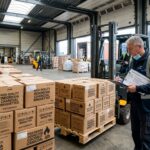
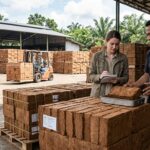
When sourcing products internationally, understanding the export landscape is crucial. While coconut products are generally straightforward to export, working with a knowledgeable wholesale coconut products distributor in Indonesia ensures all legalities are handled smoothly. Distributors must adhere to strict quality control standards and secure necessary certifications such as Phytosanitary certificates, Certificates of Origin, and specific organic or fair-trade labels.
It is vital for buyers to familiarize themselves with local laws to avoid supply chain disruptions. For a deep dive into the legalities of exporting goods, it is highly recommended to review the Indonesia Customs Export Regulations for B2B: A Comprehensive Guide. Additionally, if your supply chain involves mixed shipments including timber or wood-based pallets, you should understand the Indonesian Wood Products Export Certificate: The Ultimate Compliance Guide to ensure total compliance across all cargo types.
Choosing the Right Wholesale Coconut Products Distributor in Indonesia
Selecting the right partner is the cornerstone of a successful import business. Here are key factors to consider when evaluating a wholesale coconut products distributor in Indonesia:
| Criteria | Description | Importance Level |
|---|---|---|
| Quality Certifications | ISO, HACCP, Organic, and Halal certifications ensure product safety and marketability. | High |
| Production Capacity | Ability to scale production to meet seasonal peaks or increasing order volumes. | High |
| Export Experience | Familiarity with international shipping, incoterms, and global customs procedures. | High |
| Sustainability Practices | Commitment to zero-waste production and fair compensation for local farmers. | Medium/High |
Building a Long-Term B2B Relationship
Once you have identified a potential wholesale coconut products distributor in Indonesia, fostering a strong, long-term relationship is vital. Open communication, regular site visits (or virtual tours), and clear contracts regarding quality specifications and delivery timelines will mitigate risks. By treating your distributor as a strategic partner rather than just a supplier, you can achieve better pricing, priority during supply shortages, and collaborative product development.
Conclusion
Partnering with a wholesale coconut products distributor in Indonesia represents a lucrative opportunity for global B2B buyers. The country’s vast resources, combined with an increasing focus on quality and sustainability, make it the premier destination for sourcing coconut-based goods. By conducting thorough due diligence, understanding export regulations, and building strong relationships with verified suppliers, your business can secure a reliable supply of premium coconut products to meet the ever-growing global demand.
Frequently Asked Questions (FAQ)
What makes Indonesia a top choice for sourcing wholesale coconut products?
Indonesia is one of the largest coconut producers globally, offering massive production capacity, competitive pricing, and a wide variety of both edible and industrial coconut products backed by sustainable farming practices.
What certifications should I look for in an Indonesian coconut products distributor?
Depending on your market, you should look for ISO, HACCP, USDA Organic, EU Organic, Fair Trade, and Halal or Kosher certifications to ensure the products meet international health and safety standards.
Are there specific regulations for exporting coconut products from Indonesia?
Yes, exporters must comply with Indonesian customs regulations, which typically require commercial invoices, packing lists, Bills of Lading, Certificates of Origin, and Phytosanitary certificates for agricultural products. Partnering with an experienced distributor helps streamline this compliance process.