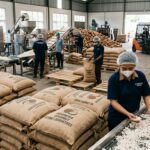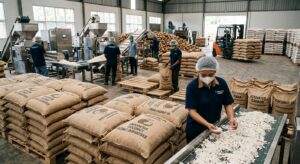


Introduction to Bulk Cocopeat Blocks in Indonesia
As the global agriculture and horticulture industries continue to shift toward sustainable and eco-friendly practices, cocopeat has emerged as a premier growing medium. Derived from coconut husks, this versatile material is highly valued for its excellent water retention, aeration, and root growth promotion. Finding a reliable bulk cocopeat block supplier indonesia is crucial for businesses looking to secure high-quality materials at competitive prices.
Indonesia, being one of the world’s leading coconut producers, offers an abundant supply of premium cocopeat. The country’s favorable climate and well-established agricultural infrastructure make it an ideal hub for sourcing raw and processed coconut derivatives. When you partner with an Indonesian export company, you gain access to a vast network of manufacturers dedicated to quality and sustainability.
The Benefits of Using Cocopeat Blocks
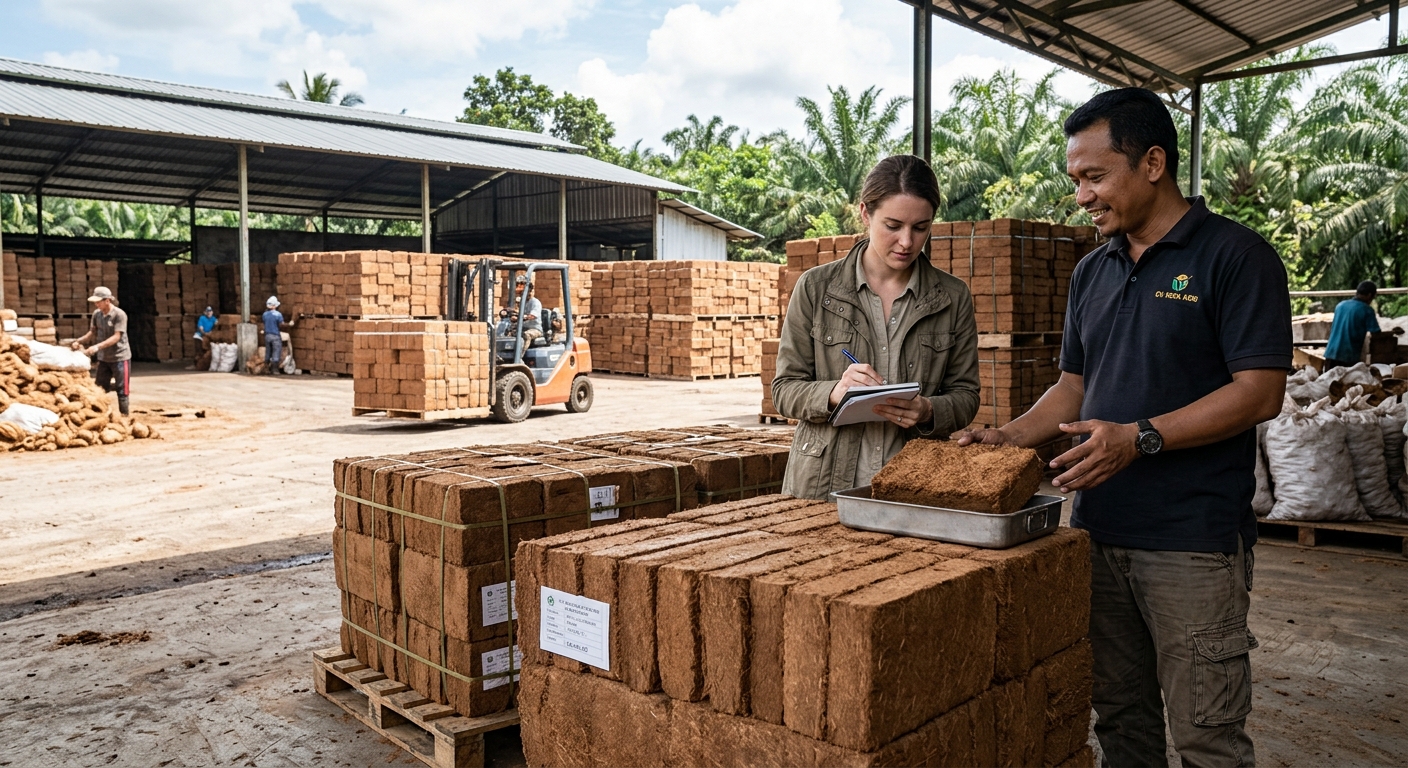
Cocopeat blocks are compressed forms of coconut coir dust, making them incredibly efficient for shipping and storage. Once rehydrated, a single 5kg block can yield up to 75 liters of premium growing medium. Here are some of the primary advantages of utilizing cocopeat in agricultural applications:
- Water Retention: Cocopeat can hold up to eight times its weight in water, reducing the frequency of irrigation required.
- Aeration: The porous structure of cocopeat ensures that plant roots receive adequate oxygen, which is essential for healthy growth.
- pH Neutrality: Unlike peat moss, which is highly acidic, cocopeat naturally maintains a pH level between 5.5 and 6.8, ideal for most plants.
- Eco-Friendly: Cocopeat is a 100% renewable resource, repurposing what was once considered agricultural waste.
Quality Specifications for Cocopeat Blocks
When evaluating a bulk cocopeat block supplier in Indonesia, it is essential to understand the technical specifications that determine the quality of the product. Low EC (Electrical Conductivity) cocopeat is typically preferred for seed raising and sensitive plants, while high EC variants are suitable for animal bedding.
The table below outlines a comparison between the two primary grades of cocopeat blocks available from Indonesian suppliers.
| Cocopeat Grade | Electrical Conductivity (EC) | Moisture Content | Primary Application |
|---|---|---|---|
| Washed (Low EC) | < 0.5 mS/cm | 10% – 15% | Hydroponics & Nurseries |
| Unwashed (High EC) | > 1.0 mS/cm | 15% – 20% | Animal Bedding & Landscaping |
Navigating the Indonesian B2B Market
Sourcing products in bulk requires a solid understanding of the local market dynamics. For comprehensive insights into the broader coconut industry, we recommend reading Indonesia Wholesale B2B Coconut Products: The Ultimate Guide for Importers. This resource provides valuable information on supplier verification, negotiation, and quality assurance protocols.
Additionally, sustainability is a growing concern across all agricultural sectors. Just as buyers seek sustainable cocopeat, there is a push for responsible sourcing in other industries, which you can explore in A Guide to Sustainable Crude Palm Oil Suppliers in Sumatra. Ensuring your suppliers adhere to environmentally friendly practices is crucial for long-term business success.
Logistics and Export Procedures
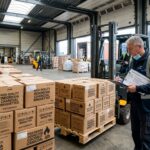
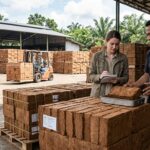
Transporting bulk cocopeat blocks from Indonesia to international destinations involves coordinating complex logistics. The blocks are typically palletized and loaded into 20-foot or 40-foot shipping containers. Understanding the export regulations and customs procedures is vital to avoid delays and additional costs.
For a detailed breakdown of the shipping processes at Indonesia’s busiest port, you should review Mastering the Customs Clearance Process at Tanjung Priok: A Comprehensive Guide. Familiarizing yourself with these procedures ensures a smoother transaction from the supplier’s warehouse to your facility.
Conclusion
Choosing the right bulk cocopeat block supplier in Indonesia can significantly impact the quality of your agricultural products and the efficiency of your supply chain. By prioritizing quality specifications, understanding the logistics of international shipping, and partnering with verified suppliers, you can secure a reliable source of premium cocopeat. As the demand for sustainable growing mediums continues to rise, Indonesia stands ready to meet the global need with its abundant resources and growing export capabilities.
Frequently Asked Questions
What is the standard size of a bulk cocopeat block?
The standard size for a bulk cocopeat block is typically 5kg, with dimensions around 30cm x 30cm x 15cm. These blocks are highly compressed to maximize shipping efficiency.
How much water is needed to expand a 5kg cocopeat block?
A standard 5kg cocopeat block usually requires about 20 to 25 liters of water to fully expand, yielding approximately 70 to 75 liters of loose cocopeat.
Why should I choose Low EC cocopeat for my plants?
Low EC (Electrical Conductivity) cocopeat has been washed to remove excess naturally occurring salts (like sodium and potassium), making it a safer and healthier growing medium for sensitive plants, seedlings, and hydroponic systems.
How do I verify the reliability of a supplier in Indonesia?
You can verify a supplier’s reliability by requesting company registration documents, checking their export history, asking for product samples, and utilizing third-party inspection services before finalizing bulk shipments.