

Introduction to Indonesia’s Coconut Industry
Indonesia is recognized globally as a powerhouse in agricultural exports, particularly when it comes to coconut products. With its vast archipelagic landscape and tropical climate, the country produces a staggering volume of coconuts annually. For businesses worldwide, sourcing Indonesia wholesale B2B coconut products presents a lucrative opportunity. From agricultural mediums to premium fuel sources, the versatility of the coconut tree—often referred to as the “Tree of Life”—is unmatched. In this comprehensive guide, we will explore the diverse range of coconut products available for B2B wholesale, the benefits of sourcing from Indonesia, and how to navigate the market effectively.
The Growing Demand for Eco-Friendly Coconut Products
As global awareness of environmental sustainability increases, industries are shifting towards eco-friendly and renewable resources. Coconut by-products, which were once considered waste, are now highly sought after in sectors ranging from horticulture to hospitality. Products such as cocopeat, coconut shell charcoal, and coconut oil are leading the charge. Businesses that prioritize green supply chains are looking to Indonesia not just for volume, but for the sustainable practices being implemented by local manufacturers and farmers.
Cocopeat: A Revolution in Agriculture and Hydroponics
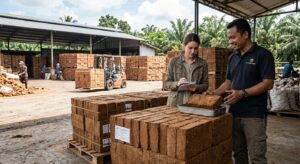
One of the most prominent exports in the coconut sector is cocopeat, also known as coir pith. It is widely used as a soil conditioner and a growing medium in hydroponic farming due to its excellent water retention and aeration properties. For commercial growers seeking bulk solutions, finding reliable suppliers is crucial. If you are looking to scale your agricultural operations, you might want to explore High Quality Cocopeat Pellets Bulk: The Ultimate Guide for Growers and Distributors to understand how compressed coir can optimize shipping and storage.
Furthermore, block formats of cocopeat are particularly popular in modern farming techniques. Hydroponic setups benefit immensely from the stable pH and disease-resistant nature of this medium. To dive deeper into optimizing your hydroponic systems with Indonesian coir, read The Ultimate Guide to the Best Cocopeat Blocks for Hydroponics.
Coconut Shell Charcoal: Premium Fuel for Shisha and BBQ
Another major pillar of the Indonesia wholesale B2B coconut products market is coconut shell charcoal. Known for burning hotter, longer, and cleaner than traditional wood charcoal, it has become the gold standard for shisha (hookah) smoking and premium barbecuing. The lack of smoke, odor, and sparks makes it highly desirable for consumers globally.
Private Labeling and Wholesale Opportunities
Many international brands choose to source their charcoal directly from Indonesian manufacturers under private label agreements. This allows businesses to maintain their brand identity while leveraging the manufacturing expertise and raw material abundance of Indonesia. For insights on establishing a successful partnership, check out The Ultimate Guide to Partnering with a Shisha Charcoal Private Label Manufacturer.
For those looking specifically to supply the growing hookah market, understanding the nuances of wholesale purchasing, quality control, and shipping logistics is paramount. You can find comprehensive information in Wholesale Coconut Charcoal for Hookah: The Ultimate Guide, which details what to look for when selecting a B2B supplier.
Comparing Key Coconut Export Products
To better understand the primary B2B coconut products sourced from Indonesia, the following table compares two of the most popular items based on their application, key benefits, and typical export formats.
| Product Type | Primary Application | Key B2B Benefit | Common Export Format |
|---|---|---|---|
| Cocopeat (Coir Pith) | Agriculture / Hydroponics | High water retention & aeration | 5kg Blocks / Compressed Pellets |
| Coconut Shell Charcoal | Shisha / BBQ Fuel | Long burning, low ash, odorless | Briquettes (Cube/Hexagonal) in Cartons |
Why Source from Indonesia?
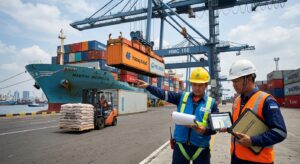
Sourcing Indonesia wholesale B2B coconut products offers numerous advantages. The sheer scale of production ensures competitive pricing and reliable supply chains, even for high-volume orders. Additionally, the Indonesian government and various trade organizations actively support the export sector, streamlining customs processes and maintaining stringent quality standards. Importers also benefit from the geographical advantage of Indonesia’s major ports, facilitating efficient maritime logistics to North America, Europe, and the Middle East.
Quality Control and Certifications
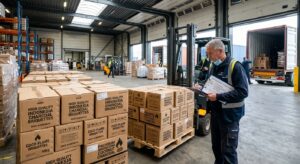
When engaging in B2B trade, ensuring consistent quality is a top priority. Reputable Indonesian suppliers adhere to international standards and hold certifications such as ISO, Phytosanitary certificates (for agricultural products like cocopeat), and strict moisture content controls for charcoal. It is highly recommended that buyers request samples, conduct third-party factory audits, and specify their requirements clearly in purchase contracts to maintain quality assurance across shipments.
Conclusion
The market for Indonesia wholesale B2B coconut products is vast, dynamic, and full of opportunities for international buyers. Whether you are supplying the agricultural sector with premium cocopeat or catering to the hospitality and recreational markets with high-grade coconut shell charcoal, Indonesia stands out as the premier sourcing destination. By partnering with reputable suppliers, understanding product specifications, and leveraging private label opportunities, businesses can build sustainable, profitable supply chains utilizing one of nature’s most versatile resources.
Frequently Asked Questions (FAQ)
What are the most popular coconut products exported from Indonesia?
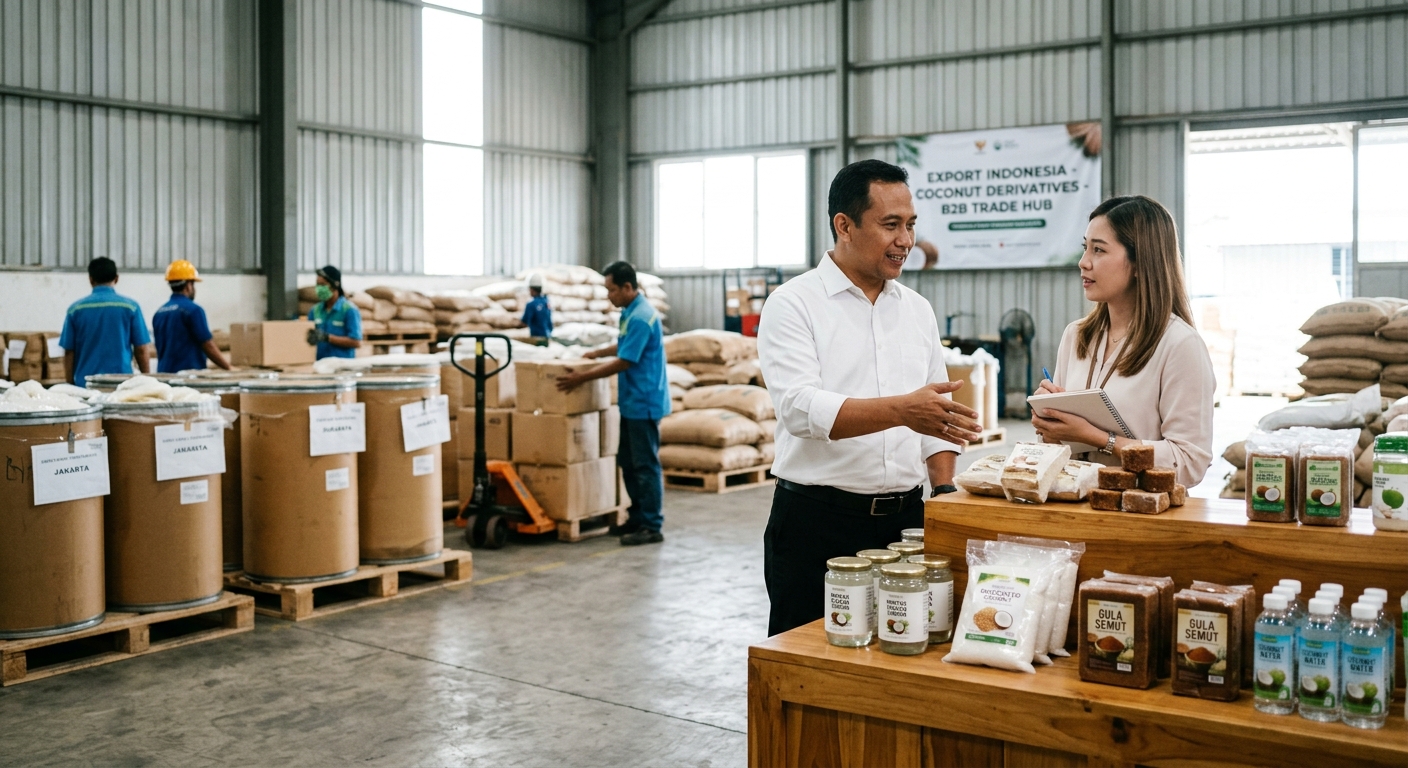
The most popular B2B exports include coconut shell charcoal briquettes, cocopeat (blocks and pellets), desiccated coconut, virgin coconut oil (VCO), and copra.
How can I verify the reliability of an Indonesian B2B supplier?
Verify suppliers by checking their business licenses, export history, and international certifications (like ISO). Requesting product samples and arranging third-party factory inspections before placing bulk orders is also highly recommended.
What is the typical Minimum Order Quantity (MOQ) for wholesale coconut products?
MOQs vary by product and supplier, but for bulk exports like charcoal or cocopeat, the standard MOQ is typically one 20-foot or 40-foot shipping container to optimize freight costs.
Are Indonesian coconut products considered environmentally friendly?
Yes, products like cocopeat and coconut shell charcoal are made from the by-products (husks and shells) of the coconut industry, making them highly sustainable, renewable, and eco-friendly alternatives to peat moss and wood charcoal.