

Introduction to B2B Trade in Indonesia
As the largest economy in Southeast Asia and a prominent member of the G20, Indonesia represents a vast and dynamic landscape for international business-to-business (B2B) trade. With a rapidly expanding middle class, abundant natural resources, and significant investments in infrastructure, the archipelago is increasingly becoming a focal point for global traders, manufacturers, and investors. Engaging in international B2B trade with Indonesia offers immense opportunities, but it also requires a nuanced understanding of the local economic climate, regulatory frameworks, and cultural nuances.
Historically recognized for its exportation of raw materials such as palm oil, coal, and rubber, Indonesia is steadily climbing the value chain. The government is actively encouraging the export of processed and manufactured goods. For international businesses, this shift signifies a more diverse portfolio of tradable goods and a more sophisticated supply chain ecosystem. Whether you are looking to source high-quality raw materials, procure manufactured commodities, or introduce your own industrial products to the Indonesian market, establishing a robust trade strategy is paramount.
The Economic and Industrial Landscape
Indonesia’s economy is characterized by its resilience and consistent growth. The nation boasts a gross domestic product (GDP) that ranks among the highest in the Asia-Pacific region. Strategic sectors driving B2B trade include manufacturing, agriculture, mining, and increasingly, digital technology and renewable energy. The Indonesian government has implemented various initiatives, such as the ‘Making Indonesia 4.0’ roadmap, aimed at revitalizing the manufacturing sector through the adoption of advanced technologies.
For global B2B buyers, this translates to improved product quality and production efficiency. Agricultural commodities and their derivatives remain a cornerstone of Indonesian exports. However, specialized sectors, particularly sustainable biomass and energy products, have seen a meteoric rise in global demand. Navigating this economic landscape requires diligent market research and an understanding of global supply and demand dynamics, especially as they pertain to Southeast Asian production hubs.
Understanding the Regulatory Framework and Export Documents
One of the most critical aspects of engaging in international B2B trade with Indonesia is mastering the regulatory environment. The Indonesian customs and excise department enforces strict regulations to ensure that all trade complies with national laws and international standards. Companies looking to import goods from Indonesia must ensure that their local suppliers possess the necessary business identification numbers (NIB) and specific export licenses for their respective commodities.
Documentation can be complex, involving commercial invoices, packing lists, bills of lading, certificates of origin, and often, specific phytosanitary or fumigation certificates depending on the product category. Any discrepancy in these documents can lead to costly delays at the port. To fully grasp the intricacies of these requirements and ensure a smooth customs clearance process, businesses should consult a Comprehensive Guide to Indonesia Export Document Requirements. This thorough preparation not only mitigates legal risks but also builds a foundation of trust between international buyers and Indonesian suppliers.
Spotlight on the Biomass and Charcoal Export Sector
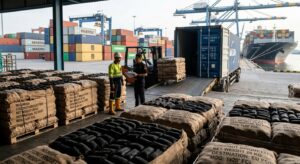
A prime example of Indonesia’s thriving B2B export market is the biomass and charcoal industry. Indonesia is globally renowned for producing some of the highest quality charcoal products, widely used for both industrial and consumer applications worldwide. The abundance of raw materials, such as coconut shells and dense hardwoods, positions Indonesia as a dominant player in this sector. International buyers from the Middle East, Europe, and North America frequently source these products for heating, metallurgy, and culinary purposes.
When sourcing these materials, identifying reputable manufacturers is essential to guarantee consistent quality and volume. For a broader perspective on the regional market dynamics and top-tier suppliers, buyers should explore A Guide to BBQ Charcoal Manufacturers in Southeast Asia. This sector requires stringent quality control, as international buyers demand specific specifications regarding ash content, moisture levels, and fixed carbon percentages.
Furthermore, the briquette segment has witnessed massive growth due to its sustainable nature and high energy output. Coconut shell briquettes, in particular, are highly sought after for shisha and premium barbecue applications. To understand the exacting standards required for international markets, traders can review The Ultimate Guide to BBQ Charcoal Briquettes Export Quality. Ensuring that your supplier adheres to these high standards will significantly reduce the risk of product rejection upon arrival.
Comparing Indonesian Charcoal Export Commodities
To better understand the options available within this popular export sector, the following table compares two of the most commonly traded Indonesian charcoal products in the international B2B market: Hardwood Charcoal and Coconut Shell Briquettes.
| Commodity Type | Primary Application | Average Burning Time | Ash Content | Pricing Tier |
|---|---|---|---|---|
| Coconut Shell Briquettes | Shisha/Hookah & Premium BBQ | 2.5 to 3 Hours | Under 2.5% | Premium |
| Hardwood Charcoal | Restaurant BBQ & Industrial Heating | 1.5 to 2 Hours | 3% to 5% | Moderate |
| Sawdust Briquettes | Commercial Grilling & Heating | 4 to 5 Hours | Under 4% | Moderate to Premium |
Sourcing and Supply Chain Management
Successful B2B trade heavily relies on robust supply chain management. When dealing with Indonesian suppliers, communication and due diligence are your best tools. It is highly recommended to conduct factory audits, request product samples, and verify third-party testing reports (such as SGS or Sucofindo certificates) before committing to large-volume contracts. Many international buyers choose to partner with experienced local agents or trading companies to bridge the geographic and cultural gaps.
Establishing a long-term relationship with reliable Indonesian suppliers can yield better pricing, priority production schedules, and more flexible payment terms over time. It is crucial to define clear Service Level Agreements (SLAs) and Quality Control (QC) protocols within your commercial contracts to protect your investment. Regular communication through popular regional channels, such as WhatsApp, is also standard practice for maintaining operational alignment.
Logistics, Infrastructure, and INCOTERMS
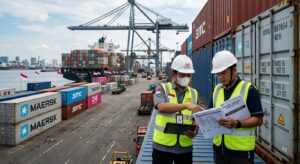
Indonesia’s geography as an archipelago presents unique logistical considerations. The primary maritime gateways for international B2B trade are the Port of Tanjung Priok in Jakarta, Tanjung Perak in Surabaya, and Tanjung Emas in Semarang. Understanding the transit times from these ports to your final destination is vital for inventory management.
When negotiating contracts, careful consideration must be given to International Commercial Terms (INCOTERMS). Free on Board (FOB) and Cost, Insurance, and Freight (CIF) are the most commonly utilized terms in Indonesian exports. Buyers should explicitly agree on who bears the risk and cost at each stage of the journey. Additionally, partnering with experienced freight forwarders who have a strong presence in Indonesia can help navigate localized port congestion and fluctuating ocean freight rates.
Business Culture and Etiquette in Indonesia
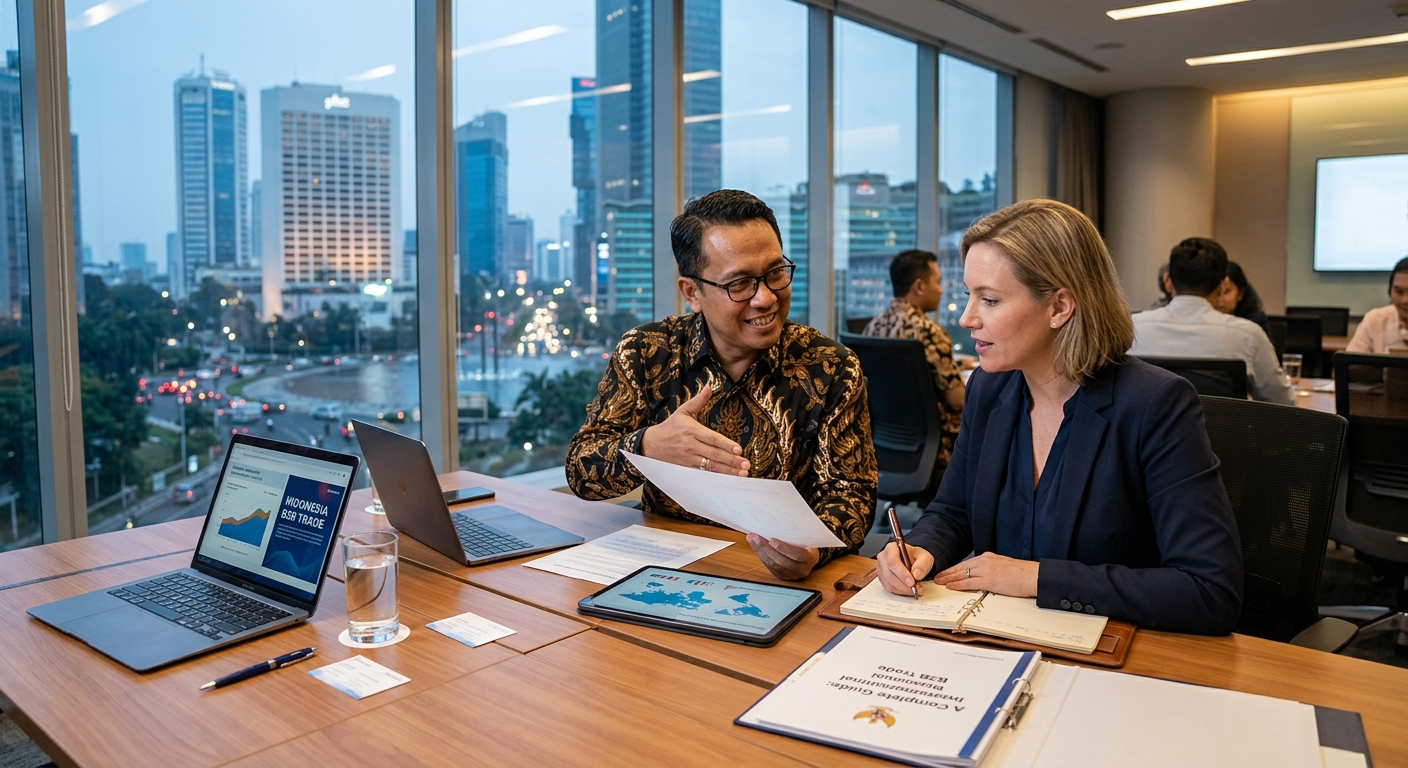
Beyond the operational and legal aspects, understanding Indonesian business culture is indispensable for long-term B2B success. Indonesian business relationships are fundamentally built on trust, respect, and personal connection. The concept of ‘gotong royong’ (mutual cooperation) and maintaining harmony deeply influences professional interactions. Direct confrontation or aggressive negotiation tactics are generally discouraged and can damage potential partnerships.
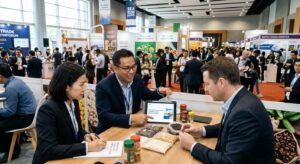
Face-to-face meetings are highly valued, though virtual meetings have become more acceptable. It is customary to engage in polite small talk before diving into business matters. Decisions may take longer than in Western business cultures, as consensus building is an integral part of the corporate hierarchy in Indonesia. Demonstrating patience, utilizing formal titles during initial introductions, and respecting cultural practices will go a long way in solidifying fruitful B2B relationships.
Conclusion
International B2B trade with Indonesia offers a wealth of opportunities for companies willing to invest the time to understand the market’s unique dynamics. From its robust economic growth and diverse industrial base to its specialized export sectors like high-quality biomass, Indonesia is a powerhouse in the global supply chain. By mastering the regulatory document requirements, implementing rigorous sourcing strategies, and respecting the local business culture, international buyers and traders can build sustainable, profitable partnerships. As the nation continues to modernize its infrastructure and streamline its trade policies, the prospects for global B2B collaboration with Indonesia will only continue to flourish.
Frequently Asked Questions
What are the primary B2B export products from Indonesia?
Indonesia is a major exporter of raw and processed commodities. Primary B2B exports include palm oil, coal, rubber, textiles, footwear, automotive parts, and sustainable biomass products like coconut shell charcoal and wood briquettes.
Do I need a local partner to import goods from Indonesia?
While it is not strictly legally required to have a local partner to import goods, having a reliable local trading company, agent, or experienced freight forwarder is highly recommended. They can help navigate local regulations, language barriers, and ensure quality control before shipment.
What is the most common payment method for B2B trade in Indonesia?
For international B2B transactions, Letters of Credit (L/C) and Telegraphic Transfers (T/T) are the most common payment methods. Typically, suppliers require a deposit (e.g., 30% to 50% T/T advance) to commence production, with the balance paid against the copy of the Bill of Lading (B/L).
How long does customs clearance typically take in Indonesia?
If all export documentation is accurate and complete, customs clearance for exports can take as little as 1 to 3 days. However, missing documents, specialized inspections, or port congestion can cause significant delays, highlighting the importance of thorough preparation and working with experienced logistics providers.