

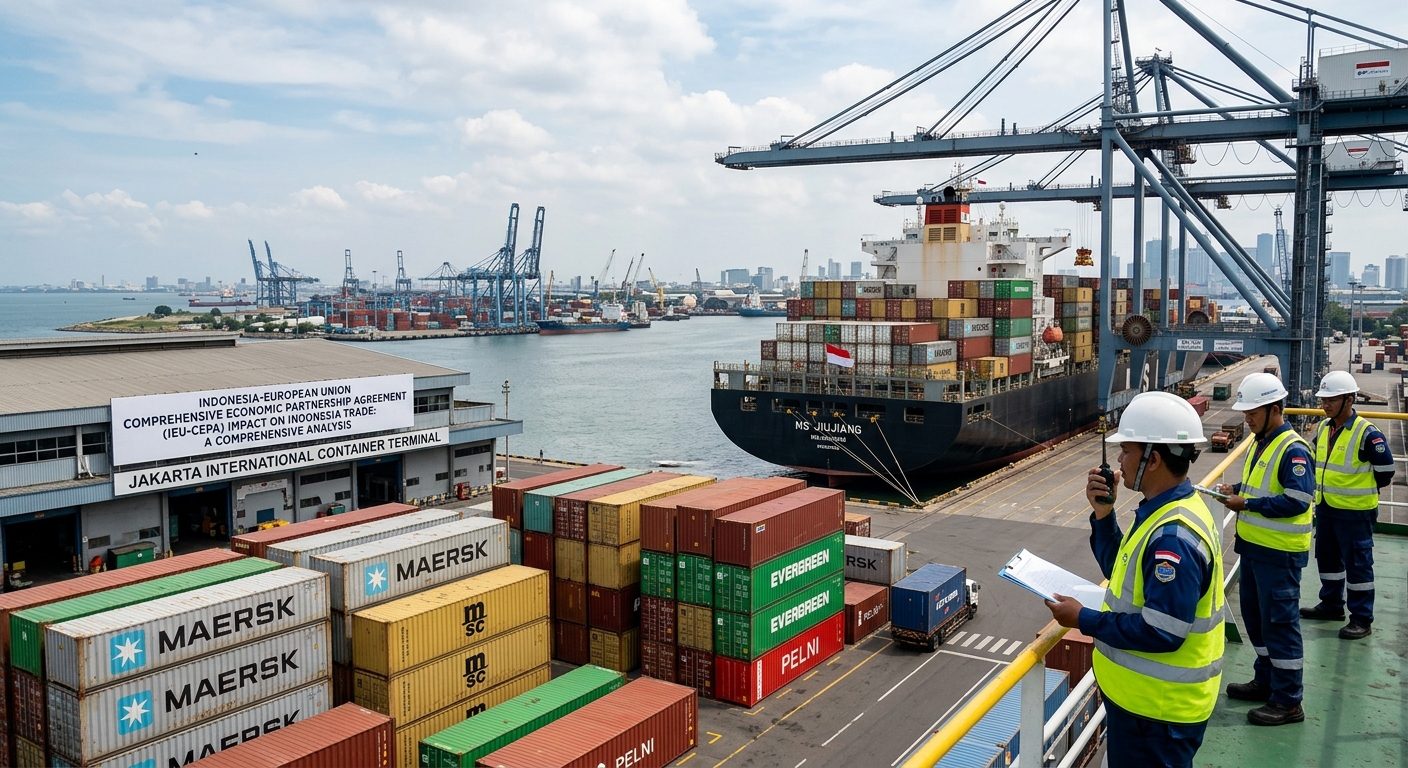
Introduction to IEU-CEPA and Its Strategic Importance
The Indonesia-European Union Comprehensive Economic Partnership Agreement (IEU-CEPA) represents a monumental shift in the bilateral relations between Southeast Asia’s largest economy and the European Union. As global trade dynamics continue to evolve, understanding the IEU-CEPA impact on Indonesia trade is crucial for businesses, policymakers, and investors. This agreement aims to dismantle trade barriers, harmonize standards, and foster a more integrated economic landscape, presenting unprecedented opportunities for Indonesian exporters.
For businesses looking to capitalize on these new avenues, understanding the intricacies of cross-border commerce is vital. A great starting point is Mastering International B2B Trade with Indonesia: A Complete Guide, which offers deep insights into navigating this burgeoning market.
Tariff Reductions and Market Access
One of the primary objectives of the IEU-CEPA is the substantial reduction, and in many cases, the complete elimination of import tariffs between the two regions. Historically, Indonesian exports to the EU have faced varying degrees of tariff barriers, particularly in sectors such as agriculture, textiles, and manufactured goods. The anticipated tariff reductions will significantly enhance the price competitiveness of Indonesian products in the European market.
To fully grasp how tariffs affect your bottom line, reviewing a Comprehensive Guide to Customs and Tariffs Importing from Indonesia is highly recommended. It details the current tariff structures and how agreements like IEU-CEPA will alter them.
Key Sectors Poised for Growth
- Textiles and Footwear: Indonesian manufacturers are expected to see a surge in demand as EU tariffs are lowered.
- Agricultural Products: Commodities such as palm oil derivatives, coffee, and spices will benefit from improved market access, provided sustainability standards are met.
- Manufactured Goods: Automotive parts and electronics will become more competitive against established players in the EU.
Non-Tariff Barriers and Standardization
Beyond tariffs, the IEU-CEPA addresses non-tariff barriers (NTBs), which often pose more significant hurdles to trade than tariffs themselves. The agreement emphasizes regulatory coherence, mutual recognition of standards, and the simplification of customs procedures. This harmonization will reduce compliance costs and administrative burdens for Indonesian exporters.
Efficient customs procedures are a cornerstone of realizing the benefits of reduced NTBs. For a practical look at how goods move through primary Indonesian hubs, consider reading A Complete Guide to the Customs Clearance Process at the Port of Jakarta. Streamlining these processes is essential for maintaining supply chain fluidity.
Foreign Direct Investment (FDI) Boost
The IEU-CEPA is not strictly about trade in goods; it also encompasses trade in services and investment. By providing a more transparent, predictable, and legally secure environment, the agreement is expected to stimulate European Foreign Direct Investment (FDI) into Indonesia. This influx of capital will bring advanced technologies, managerial expertise, and integration into global value chains.
If you are looking to partner with reliable Indonesian suppliers to leverage these new investments, consulting an Indonesian export specialist can facilitate smooth and compliant trade operations.
Below is a comparison of Indonesia’s trade landscape before and expected after the full implementation of the IEU-CEPA:
| Trade Aspect | Pre-IEU-CEPA Status | Post-IEU-CEPA Expectation |
|---|---|---|
| Average EU Import Tariff | Relatively High (Varies by sector) | Zero to Low (Phased reduction) |
| Customs Procedures | Complex and lengthy | Harmonized and streamlined |
| FDI from EU | Moderate | Significant Increase Expected |
| Standardization | Differing national standards | Mutual recognition frameworks |
Challenges and Mitigation Strategies
While the IEU-CEPA presents immense opportunities, it also introduces challenges. The EU’s stringent environmental and labor standards require Indonesian producers to upgrade their practices. The focus on sustainable development, particularly concerning deforestation and palm oil production, means that Indonesian businesses must adopt sustainable, traceable supply chains to access the EU market fully.
Adapting to EU Standards
- Sustainability Certification: Obtaining recognized eco-labels and sustainability certifications.
- Capacity Building: Investing in training for workers to meet European quality and safety standards.
- Technological Upgrades: Implementing traceability technologies to prove the origin and ethical production of goods.
Conclusion
The IEU-CEPA impact on Indonesia trade is poised to be transformative. By lowering tariffs, dismantling non-tariff barriers, and encouraging foreign investment, the agreement opens a new chapter of economic cooperation between Indonesia and the European Union. However, to fully harness these benefits, Indonesian businesses must proactively adapt to the higher regulatory and sustainability standards demanded by the European market. Strategic alignment, capacity building, and a deep understanding of international trade mechanisms will be the keys to success in this new era of bilateral trade.
Frequently Asked Questions (FAQ)
What is the IEU-CEPA?
The IEU-CEPA (Indonesia-European Union Comprehensive Economic Partnership Agreement) is a proposed free trade agreement aimed at increasing trade and investment between Indonesia and the EU by reducing tariffs and aligning regulatory standards.
Which Indonesian industries will benefit most from the IEU-CEPA?
Industries such as textiles, footwear, agriculture (specifically sustainable commodities), and manufactured goods like automotive parts and electronics are expected to see the most significant growth due to reduced tariffs and better market access.
How does the IEU-CEPA address environmental concerns?
The agreement includes strong provisions on sustainable development, requiring traded goods to adhere to strict environmental and labor standards, particularly targeting issues like deforestation in agricultural supply chains.
Will the IEU-CEPA increase European investment in Indonesia?
Yes, the agreement aims to create a more transparent and secure legal framework for investors, which is expected to significantly boost Foreign Direct Investment (FDI) from the European Union into various Indonesian sectors.