

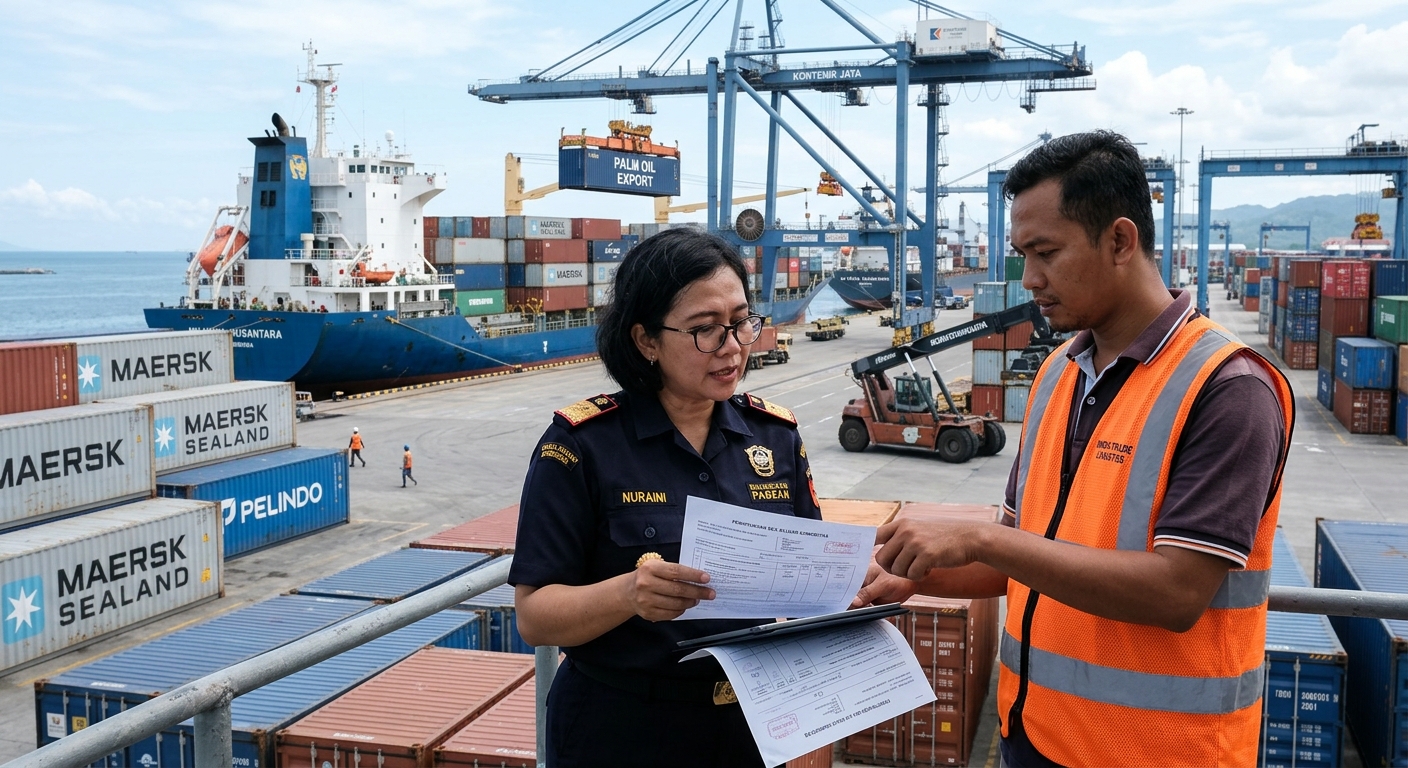
Introduction to Indonesia Export Tax on Commodities
Indonesia, an archipelago rich in natural resources, is a significant player in the global commodities market. From palm oil and coal to minerals and agricultural products, the nation’s exports are vital to both its domestic economy and international trade. Understanding the Indonesia export tax on commodities is crucial for businesses engaged in international trade, as these policies directly impact pricing, supply chain logistics, and overall profitability.
The Indonesian government implements export taxes to regulate the outward flow of raw materials, encourage domestic processing, stabilize domestic prices, and generate national revenue. This strategy, often referred to as downstreaming, aims to transform Indonesia from a mere exporter of raw materials into a hub for value-added products. Navigating this landscape requires careful planning and a thorough understanding of the current regulatory framework.
The Rationale Behind Export Taxes
Export taxes in Indonesia are not arbitrary; they are strategic economic tools used to achieve specific national objectives. By imposing duties on raw commodities, the government seeks to ensure an adequate supply for domestic industries. This is particularly evident in the palm oil and mineral sectors.
Encouraging Domestic Processing (Downstreaming)
One of the primary goals of the export tax policy is to encourage the development of downstream industries. By making it more expensive to export raw materials, the government incentivizes domestic and foreign investors to build processing facilities within Indonesia. This creates jobs, transfers technology, and ultimately increases the value of the country’s exports. For example, instead of exporting raw nickel ore, Indonesia encourages the production of refined nickel products used in electric vehicle batteries.
Stabilizing Domestic Prices
Export taxes are also utilized to stabilize domestic prices of essential commodities. When global prices surge, there is a natural tendency for producers to export their goods, which can lead to domestic shortages and inflation. An export tax makes selling domestically more attractive or parity-priced, ensuring that local consumers and industries have access to necessary goods at reasonable prices. This mechanism is frequently seen in the management of crude palm oil (CPO) exports.
Key Commodities Affected by Export Taxes
The Indonesia export tax on commodities varies significantly depending on the product, its level of processing, and current market prices. Several key sectors are heavily regulated.
Palm Oil and Derivatives
Indonesia is the world’s largest producer of palm oil. The government employs a dynamic export tax and levy system that adjusts based on a reference price determined by the Ministry of Trade. When global prices rise above a certain threshold, the export tax kicks in, increasing progressively. This dual system (tax and levy) funds the domestic biodiesel program and palm oil replanting initiatives.
Minerals and Coal
The mining sector is highly regulated. Indonesia has implemented export bans and progressive export taxes on various raw minerals, notably nickel, bauxite, and copper concentrates. The goal is to compel miners to build domestic smelters. Coal exports are also subject to royalties and domestic market obligations (DMO), which require producers to sell a specific percentage of their output to domestic power plants at capped prices before they can export.
Agricultural and Forestry Products
Certain agricultural products, like cocoa beans, and forestry products, such as raw rattan and specific types of timber, are subject to export taxes. These taxes aim to protect domestic processing industries, such as chocolate manufacturers and furniture makers.
When dealing with specialized agricultural products, it’s essential to understand specific product requirements. For instance, businesses dealing with charcoal must review the Comprehensive Guide to Coconut Shell Charcoal Briquette Specifications to ensure compliance and quality. Furthermore, if you are looking to brand your own products, The Ultimate Guide to Indonesia White Label Coconut Charcoal provides excellent insights into sourcing and branding.
Calculating the Export Tax
The calculation of export taxes in Indonesia can be complex. It generally involves identifying the correct Harmonized System (HS) code for the commodity, determining the current export benchmark price (Harga Patokan Ekspor or HPE) set by the Ministry of Trade, and applying the applicable tax rate (Tarif Bea Keluar).
- HS Code: The classification of the product dictates the potential tax rate.
- Benchmark Price (HPE): This is a reference price updated regularly (often monthly) based on average international market prices.
- Tax Rate: The rate can be ad valorem (a percentage of the value) or a specific rate (a fixed amount per unit of volume or weight).
For seamless navigation of these logistics and compliance with customs regulations, partnering with a reliable forwarder is vital. The Comprehensive Guide to Choosing an Indonesia Freight Forwarder for Export is a highly recommended resource for selecting the right logistics partner.
Below is a comparison of typical export tax mechanisms applied to different commodity types in Indonesia.
| Commodity Type | Pricing Mechanism | Tax Structure | Primary Policy Goal |
|---|---|---|---|
| Crude Palm Oil (CPO) | Monthly Reference Price (HPE) | Progressive ad valorem & specific levy | Domestic price stability & biodiesel funding |
| Raw Minerals (e.g., Copper Concentrate) | Benchmark Export Price | Progressive ad valorem (linked to smelter progress) | Encourage domestic smelting/downstreaming |
| Cocoa Beans | Monthly Reference Price | Ad valorem (percentage based on price brackets) | Protect domestic processing industry |
Impact on Global Supply Chains
Indonesia’s export tax policies have a profound impact on global supply chains. Because Indonesia is a major supplier of several critical commodities, changes in its export taxes can cause immediate fluctuations in global prices.
Price Volatility
When Indonesia raises export taxes on palm oil or imposes bans on mineral exports, global supply tightens, leading to higher prices. Importing nations and industries relying on these raw materials must constantly monitor Indonesian policy shifts to hedge against price volatility.
Shift in Sourcing Strategies
High export taxes on raw materials may compel multinational companies to shift their sourcing strategies. They might look for alternative suppliers in other countries or decide to invest in processing facilities within Indonesia to benefit from lower export taxes on finished or semi-finished goods.
Navigating the Regulatory Landscape
For international buyers and local exporters, compliance with Indonesian export regulations is non-negotiable. The legal framework is dynamic, with regulations frequently updated via Ministry of Finance and Ministry of Trade decrees.
Customs Compliance
Ensuring accurate documentation, correct HS code classification, and timely payment of export duties are critical to avoiding delays and penalties at the port. Working with experienced customs brokers and utilizing the Indonesian National Single Window (INSW) system can streamline the clearance process. For broader trade assistance, you can consult export trade professionals to optimize your supply chain.
Staying Informed
Because benchmark prices and tax rates are revised regularly, businesses must stay informed. Subscribing to updates from relevant Indonesian ministries, joining industry associations, and consulting with local legal and tax advisors are essential practices for maintaining compliance and profitability.
Conclusion
The Indonesia export tax on commodities is a complex but essential element of the country’s economic strategy. By understanding the rationale behind these taxes, the specific commodities affected, and the mechanisms for calculation, businesses can better navigate the challenges and opportunities of sourcing from Indonesia. While these policies aim to foster domestic industry and stabilize local markets, they require international traders to be agile, well-informed, and strategic in their supply chain planning.
Frequently Asked Questions
What is the main purpose of Indonesia’s export tax on commodities?
The primary purposes are to ensure an adequate domestic supply of essential commodities, stabilize domestic prices, generate state revenue, and encourage the development of downstream processing industries within Indonesia.
How frequently do export tax rates change in Indonesia?
Export tax rates and the benchmark prices used to calculate them are often updated monthly by the Ministry of Trade and the Ministry of Finance, particularly for volatile commodities like crude palm oil and minerals.
Does the export tax apply to fully manufactured goods?
Generally, no. The export tax is primarily targeted at raw materials and semi-processed commodities to incentivize domestic manufacturing. Fully processed or manufactured goods usually do not attract export duties, and may even benefit from export incentives.
What happens if a company fails to pay the required export tax?
Failure to pay the correct export tax can result in severe penalties, including hefty fines, confiscation of goods, suspension of export licenses, and potential legal action by Indonesian customs authorities.