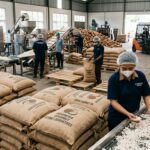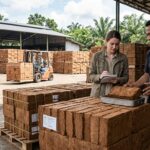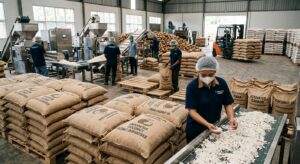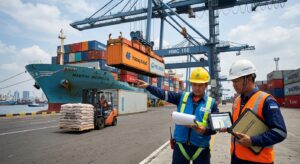


Navigating the vast landscape of international trade requires reliable partners and clear insights. This Indonesian Export commodity for Global Buyers Guide serves as your essential resource for sourcing high-quality materials directly from Southeast Asia. Whether you are seeking raw materials or finished goods, understanding the local market dynamics is the first step toward success.
In 2024, the nation produced 47 million tonnes of crude palm oil and derivatives to meet rising international demand. This massive output highlights the country’s role as a powerhouse in the supply chain. By leveraging Indonesian trade for global buyers, your company can secure premium products while effectively mitigating common logistics risks.
We provide actionable strategies to help you streamline procurement processes. From consistent quality control to navigating complex shipping requirements, our goal is to simplify your sourcing journey. Building a resilient supply chain starts with choosing the right connections in this thriving economic hub.
Key Takeaways
- Indonesia produced 47 million tonnes of crude palm oil in 2024 to support international markets.
- Strategic sourcing helps businesses reduce supply chain risks and ensure consistent product quality.
- Understanding local trade regulations is vital for successful procurement and timely delivery.
- The region offers diverse high-demand goods, including cocopeat, briquettes, and agricultural derivatives.
- Professional guidance helps international firms navigate documentation and shipping complexities with ease.
The Strategic Value of Indonesian Export commodity for Global Buyers
As the 16th largest economy in the world, Indonesia has become a cornerstone for businesses seeking high-quality resources. With a GDP that reached $1,355 billion in 2023, the nation offers a stable and growing environment for international procurement. This economic scale ensures that an Indonesian Export commodity for Global Buyers is backed by a robust infrastructure capable of meeting large-scale demands.
The country provides a unique strategic advantage due to its massive production capacity and diverse resource base. Many Indonesian export companies leverage these natural advantages to maintain competitive pricing for their international partners. By integrating sustainable practices, these firms ensure that their output remains both high-quality and ethically sourced.
“The strength of a global supply chain lies in the diversity and reliability of its partners, which is exactly what emerging markets like Indonesia provide to the modern economy.”
Procurement managers often rely on a comprehensive Indonesian Export commodity for Global Buyers to navigate the complexities of this market. Government support plays a vital role in this process, as it streamlines logistics and encourages trade growth. This combination of government backing and private sector innovation makes Indonesia a top priority for companies looking to diversify their supply chains effectively.
Ultimately, the strategic value of sourcing from this region goes beyond simple cost savings. It is about building long-term partnerships that thrive on consistency and quality. By focusing on these core strengths, global buyers can secure a significant competitive edge in their respective industries.
Top Agricultural Commodities for US Markets
Indonesia’s agricultural sector serves as a vital engine for global trade, offering high-quality goods that meet the rigorous demands of the United States market. By prioritizing sustainable farming practices, local producers ensure their harvest remains a top choice for international buyers seeking reliability and excellence.
When exploring premium Indonesian export products, it becomes clear that the country offers a unique blend of tradition and innovation. These goods are carefully cultivated to satisfy the sophisticated palate of American consumers while adhering to strict environmental standards.
Premium Indonesian Coffee Beans
Indonesia is world-renowned for its diverse coffee profiles, ranging from the earthy notes of Sumatra to the bright acidity of Java. These beans are highly sought after by specialty roasters across the United States who value distinctive flavor profiles and ethical sourcing.
Many suppliers now focus on direct-trade models to ensure that farmers receive fair compensation for their labor. This commitment to quality makes these beans a staple among the most popular Indonesian products for global trade.
Sustainable Palm Oil and Derivatives
As the world’s leading producer, Indonesia is responsible for more than 50% of global palm oil exports. This commodity is essential for various industries, including food production, cosmetics, and biofuels.
Modern producers are increasingly adopting certified sustainable practices to meet the growing demand for transparency. By focusing on traceability, they ensure that their derivatives remain a trusted resource for American manufacturers.
High-Quality Spices and Essential Oils
The archipelago is famous for its rich history in the spice trade, providing everything from aromatic cloves to premium nutmeg. These ingredients are vital for the culinary and pharmaceutical sectors in the United States.
- Nutmeg and Mace: Known for their intense aroma and culinary versatility.
- Cinnamon: Sourced from high-altitude regions for superior quality.
- Essential Oils: Extracted using advanced distillation techniques for purity.
These high-quality spices represent the best of what the country has to offer. They continue to be a cornerstone of the growing volume of Indonesian export products reaching American shores every year.
Textiles and Apparel Manufacturing Opportunities
Global brands are increasingly turning to Indonesia for high-quality textile solutions that prioritize sustainability. The country has successfully modernized its production lines, making Indonesian export products highly competitive in the United States market. With over 8,600 large and medium-sized producers across the broader manufacturing landscape, the nation offers the scale and reliability that international buyers demand.
Sustainable Fashion and Organic Cotton
The shift toward eco-conscious consumerism has pushed the local industry to adopt greener practices. Many factories now specialize in organic cotton sourcing and low-impact dyeing processes to meet international environmental standards. By choosing these Indonesian products for global trade, buyers can ensure their supply chains align with modern ethical requirements.
Quality control remains a top priority for manufacturers aiming to satisfy the discerning US market. These facilities often implement rigorous testing to ensure that garments meet both durability and safety expectations. This commitment to excellence makes Indonesia a strategic partner for fashion labels looking to scale their sustainable collections.
Technical Textiles for Industrial Use
Beyond fashion, the country is making significant strides in the production of technical textiles. These materials are engineered for specific industrial applications, including automotive components, protective gear, and high-performance filtration systems. Manufacturing efficiency allows these specialized goods to be produced at a scale that supports complex global supply chains.
Investing in these high-quality Indonesian products for global trade provides businesses with a reliable alternative to traditional manufacturing hubs. The integration of advanced machinery ensures that technical specifications are met with precision. As a result, companies can confidently source durable, high-performance materials that drive innovation in their respective industries.
Furniture and Home Decor Craftsmanship
Discover the artistry behind the Indonesian export industry and its profound impact on modern home design. Indonesia has earned a global reputation for creating furniture that perfectly balances traditional techniques with contemporary aesthetics.
By sourcing directly from local artisans, international buyers gain access to unique pieces that tell a story of heritage and skill. This sector continues to thrive by leveraging the country’s vast natural resources while maintaining a commitment to quality.

Sustainable Teak and Rattan Furniture
The Indonesian export industry relies heavily on the abundance of high-quality teak and rattan found in tropical regions. Teak is highly prized in the United States for its incredible durability and natural resistance to the elements, making it a top choice for both indoor and outdoor collections.
Rattan, on the other hand, offers a lightweight and flexible alternative that brings a natural, organic feel to any living space. Many manufacturers now prioritize sustainable harvesting practices to ensure these materials remain available for future generations. You can learn more about responsible sourcing by visiting https://oxicarbon.com to see how environmental standards are integrated into modern production.
Handcrafted Home Accessories
Beyond large furniture items, Indonesian artisans excel at creating intricate home accessories that add character to any room. From hand-carved wooden bowls to woven baskets, these items showcase the meticulous attention to detail that defines local craftsmanship.
These products are often produced in small batches, ensuring that every item is a unique work of art. By integrating these handcrafted elements, retailers can offer their customers something truly special that stands out from mass-produced alternatives.
| Material | Primary Use | Key Benefit |
|---|---|---|
| Teak | Outdoor/Indoor Furniture | High Durability |
| Rattan | Accent Furniture | Lightweight/Flexible |
| Mahogany | Fine Cabinetry | Rich Texture |
Footwear and Leather Goods Industry
If you are looking for quality craftsmanship, the Indonesian export industry offers exceptional value for leather goods. The manufacturing sector in this region continues to grow rapidly, supported by a massive, skilled workforce and significant investments in modern factory infrastructure. By choosing to partner with local producers, international buyers can access high-quality goods that meet rigorous global standards.
High-End Leather Manufacturing
Indonesia has established itself as a reliable hub for premium leather production. Local artisans combine traditional techniques with modern technology to create products that are both durable and stylish. Many international brands now rely on these facilities to maintain their reputation for excellence.
When you work with suppliers found through reliable trade platforms, you ensure that your supply chain remains robust. These manufacturers prioritize quality control at every stage of the tanning and assembly process. This dedication to detail makes Indonesian leather a top choice for luxury and mid-range markets alike.
Performance Footwear Production
Beyond traditional leather goods, the country has made massive strides in performance footwear production. Factories are equipped with advanced machinery designed to handle complex designs and high-volume orders. This technical capability allows brands to scale their operations while keeping production costs competitive.
The following table highlights why many US companies are shifting their focus toward these manufacturing hubs:
| Feature | Indonesian Advantage | Market Impact |
|---|---|---|
| Infrastructure | Modernized Facilities | Higher Efficiency |
| Labor Force | Highly Skilled | Superior Craftsmanship |
| Cost Structure | Competitive Pricing | Increased Profit Margins |
| Compliance | International Standards | Reduced Supply Risk |
By leveraging the strengths of the Indonesian export industry, businesses can diversify their sourcing strategies effectively. Whether you need high-end leather accessories or high-performance athletic shoes, the local manufacturing ecosystem is ready to support your growth. Building a partnership here is a smart move for any brand aiming to balance quality with affordability.
Navigating Indonesian Trade Regulations and Logistics
For global buyers of Indonesian products, mastering the complexities of international trade is the key to a smooth and profitable supply chain. Successfully importing goods requires a clear understanding of the regulatory framework and the logistical landscape within the archipelago. By staying informed, you can avoid common pitfalls and ensure your business operations remain efficient.
Understanding Export Documentation Requirements
Navigating the paperwork is often the most daunting part of Indonesian trade for global buyers. You must ensure that all shipments are accompanied by accurate documentation to clear customs without unnecessary delays. Essential documents typically include a commercial invoice, a packing list, and a bill of lading.
Depending on the nature of your goods, you may also need specific certifications. For instance, agricultural items often require a phytosanitary certificate to meet international safety standards. Additionally, obtaining a Certificate of Origin is vital to verify where your products were manufactured, which can sometimes provide tariff advantages under specific trade agreements.
Shipping and Freight Forwarding Considerations
Logistics in Indonesia are heavily concentrated in specific regions, which is a crucial factor for your planning. Approximately 56% of the total population lives on the islands of Java and Bali, which house the country’s primary ports. Leveraging these major hubs is essential for efficient shipping and timely delivery to the United States.
When managing your supply chain, consider the following tips for effective freight forwarding:
- Partner with experienced local logistics providers who understand regional port operations.
- Consolidate shipments whenever possible to reduce costs and simplify customs clearance.
- Work with experts like the team at Oxicarbon to streamline your procurement processes.
- Monitor seasonal weather patterns that might impact port activity in the region.
By focusing on these logistical pillars, you can simplify the often-confusing aspects of Indonesian trade for global buyers. A proactive approach to documentation and a strategic choice of shipping partners will help you maintain a competitive edge in the US market.
Building Successful Partnerships with Indonesian Suppliers
Building a lasting partnership with suppliers in Indonesia is a journey that rewards patience and cultural awareness. Global buyers of Indonesian products often find that the most successful ventures are those built on a foundation of mutual trust rather than just a quick transaction.
Vetting Reliable Export Companies
Before finalizing any agreement, it is essential to conduct thorough due diligence. You should verify the business licenses and export credentials of potential Indonesian export companies to ensure they meet international standards.
Utilizing professional platforms like ExportNusa can provide you with the necessary insights to identify verified partners. Taking the time to confirm these details early on will save you significant time and resources in the long run.
Communication and Cultural Etiquette in Business
Business deals in Indonesia often take longer to confirm because local suppliers prioritize building strong, long-term relationships first. Do not be discouraged by a slower pace; instead, view it as an opportunity to establish a deep professional bond.
Face-to-face meetings are highly valued and often serve as the turning point in negotiations. When communicating, remember that using proper courtesy titles and showing respect for local customs will go a long way in securing the loyalty of Indonesian export companies. Patience is truly a virtue when working with partners in this vibrant market.
Current Market Trends in Indonesian Global Trade
Indonesia’s vibrant demographic shift, characterized by a growing population of tech-savvy millennials and Gen Z, is fueling a new era of export excellence. This change in the workforce is driving Indonesian export market trends toward greater efficiency and transparency. As businesses look to expand, they are finding that the country is better positioned than ever to serve the needs of the United States and other global partners.
The integration of modern technology is fundamentally changing how Indonesian exports for international markets are managed. By adopting advanced digital tools, local producers are ensuring that their goods meet the rigorous standards required by global buyers.
Digital Transformation in Export Processes
Technology is now the backbone of the supply chain, streamlining everything from initial production to final delivery. Many companies are implementing blockchain solutions to provide unmatched traceability for their products. This level of transparency allows buyers to verify the origin and quality of their goods with just a few clicks.
Furthermore, digital platforms are simplifying the complex documentation required for international shipping. By reducing paperwork and human error, these innovations help businesses maintain a competitive edge. You can learn more about optimizing these logistics by visiting reliable trade solutions to ensure your supply chain remains robust and efficient.
Focus on Eco-Friendly and Ethical Sourcing
Modern consumers are increasingly demanding products that align with their personal values. Consequently, there is a strong push for sustainable and ethical practices across all sectors of the economy. Producers are now prioritizing environmentally friendly methods to ensure long-term viability and market appeal.
“Sustainability is no longer a luxury; it is a fundamental requirement for any business aiming to thrive in the global marketplace of the future.”
This commitment to ethical sourcing is helping Indonesian exports for international markets stand out in a crowded field. By focusing on fair labor practices and reduced carbon footprints, local suppliers are building lasting trust with international partners. These Indonesian export market trends reflect a broader commitment to quality that benefits both the producer and the end consumer.
- Enhanced product traceability through blockchain technology.
- Increased adoption of sustainable manufacturing processes.
- Stronger focus on fair trade and ethical labor standards.
Conclusion
Indonesia offers a wealth of opportunities for US businesses seeking high-quality, sustainable, and competitively priced goods. By understanding the key sectors, regulatory requirements, and cultural nuances, buyers can successfully navigate the market and build long-term partnerships.
As Indonesian exports for international markets continue to grow, staying informed about the latest Indonesian export market trends will be vital for maintaining a competitive edge. You can streamline your procurement process by partnering with ExportNusa to manage everything from quotation to vessel booking.
This platform provides a secure way to connect with trusted suppliers for commodities like CPO, coffee, and cocopeat. Leveraging these professional resources helps you unlock the full potential of your sourcing strategy. Start your journey today to secure reliable supply chains and expand your business reach across the globe.