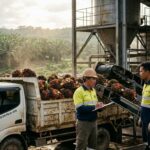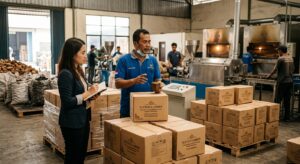


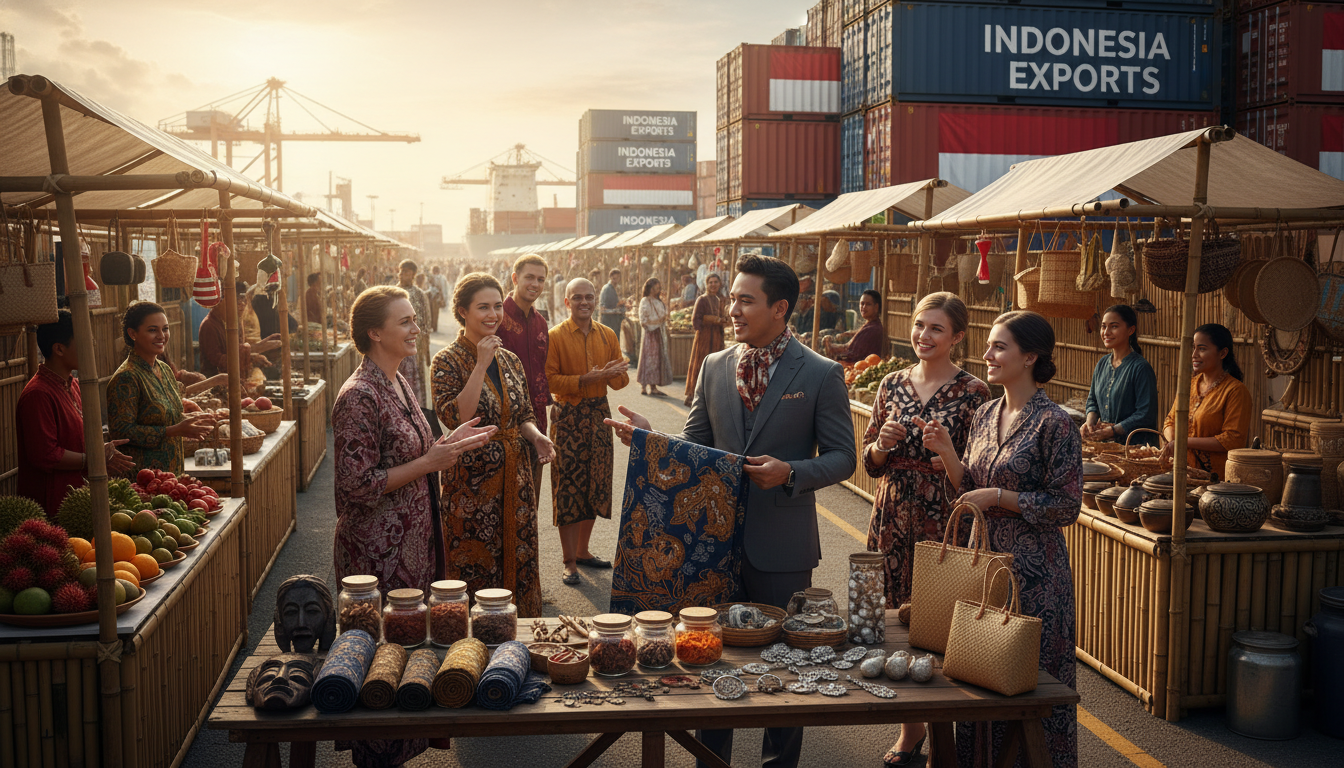
The landscape of modern trade is shifting rapidly as emerging economies take center stage. Today, promoting Indonesian products globally has become a strategic priority for businesses looking to diversify their supply chains. By blending traditional craftsmanship with modern manufacturing standards, local enterprises are successfully meeting the high demands of overseas buyers.
This evolution is driven by a commitment to innovation and quality. Companies are now leveraging digital platforms like ExportNusa to bridge the gap between local production and global demand. Resilience and strategic growth define this new era, allowing these items to compete effectively despite complex economic shifts.
Understanding these dynamics is essential for any distributor or importer. As we explore the path forward, it becomes clear that the integration of these offerings into the world economy is not just a trend, but a sustainable shift in global commerce.
Key Takeaways
- Strategic integration of local manufacturing into the global supply chain.
- Leveraging cultural heritage to create unique value propositions for buyers.
- Adopting digital trade solutions to streamline complex export processes.
- Maintaining high quality standards to ensure long-term competitiveness.
- Adapting to shifting economic landscapes through innovation and agility.
The Rise of Indonesian Goods for International Markets
Despite recent labor market challenges, where over 79,000 workers were laid off between January and November 2025, the trajectory for Indonesian exports remains remarkably resilient. Businesses are increasingly pivoting toward impact-driven innovation to maintain their competitive edge in a volatile economy. This strategic shift is essential for companies aiming to sustain long-term growth while navigating complex market dynamics.
Economic Shifts and Export Growth
The current economic climate has forced a necessary evolution in how local firms approach production. By focusing on high-value, sustainable manufacturing, these businesses are successfully reaching global markets with indonesian goods. This transition is not merely about volume; it is about establishing a reputation for quality and reliability that resonates with international buyers.
“True innovation in trade is born from the ability to adapt to adversity while maintaining a commitment to core quality standards.”
As companies streamline their operations, the global market for indonesian goods continues to expand. This growth is supported by a renewed focus on efficiency and digital integration, ensuring that local products meet the rigorous demands of modern supply chains. By prioritizing these improvements, manufacturers are better positioned to compete on a worldwide scale.
The Growing Appeal of Indonesian Products in the United States
The United States represents a critical destination for those reaching global markets with indonesian goods. American consumers are increasingly seeking unique, ethically sourced items that offer both cultural value and superior craftsmanship. This demand creates a significant opportunity for brands that can effectively communicate their story and maintain consistent quality.
Platforms like ExportNusa play a vital role in bridging the gap between local artisans and American retailers. By leveraging these digital tools, businesses can navigate the complexities of international trade with greater ease. Ultimately, the global market for indonesian goods is thriving because of this synergy between traditional expertise and modern market access, ensuring that indonesian goods for international markets remain a top choice for discerning buyers.
Key Sectors Driving Indonesian Exports
The landscape of indonesian exports strategy is undergoing a significant transformation as the nation pivots toward high-value industries. By moving away from sectors prone to extreme volatility, the country is securing a more stable position for indonesian goods for international markets. This transition emphasizes quality, sustainability, and specialized production models that resonate with modern global consumers.
Textiles and Apparel Manufacturing
The textile industry has long been a cornerstone of the economy, yet it faces severe headwinds. A notable example occurred on March 1, 2025, when PT Sri Rejeki Isman Tbk (Sritex) ceased factory operations, resulting in the loss of over 10,000 jobs. This event serves as a critical turning point for the industry.
To mitigate such risks, the current indonesian exports strategy focuses on diversifying production. Manufacturers are now shifting their attention toward high-tech fabrics and sustainable apparel to regain a competitive advantage. This evolution ensures that the sector remains relevant despite global economic fluctuations.
Specialty Coffee and Agricultural Commodities
Indonesia is increasingly recognized for its premium agricultural output, particularly in the specialty coffee segment. By leveraging unique regional profiles, local producers are successfully capturing the attention of discerning buyers in the United States. You can learn more about these opportunities by visiting ExportNusa to understand how to connect with these high-quality suppliers.
Beyond coffee, the export of spices and organic commodities is on the rise. These products are highly valued for their ethical sourcing and superior quality. This shift toward high-value agriculture provides a robust foundation for long-term trade growth.
Furniture and Home Decor Craftsmanship
The furniture sector is becoming a primary vehicle for indonesian goods for international markets. Artisans are blending traditional techniques with contemporary design to create premium home decor that appeals to global aesthetics. This focus on craftsmanship allows Indonesian brands to command higher price points in international retail spaces.
| Sector | Primary Focus | Market Value |
|---|---|---|
| Textiles | Technical Fabrics | Moderate |
| Specialty Coffee | Premium Beans | High |
| Furniture | Artisan Decor | High |
Quality Standards and Global Compliance
For businesses aiming to export Indonesian products, maintaining high quality is no longer optional but a fundamental necessity. Recent data from NielsenIQ’s Mid-Year Consumer Outlook reveals that 41 percent of consumers are becoming increasingly cautious with their spending. This shift means that international buyers are prioritizing value and reliability more than ever before.
To remain competitive, companies must align their operations with the rigorous expectations of the United States market. A well-defined indonesian exports strategy focuses on building trust through consistent product performance. By meeting these high standards, local producers can successfully navigate the complexities of global trade.
Adhering to International Certification Requirements
Securing the right certifications is the first step toward gaining credibility with overseas partners. Many industries require specific documentation, such as ISO certifications for manufacturing or FDA compliance for food and beverage items. These credentials serve as a guarantee of safety and quality for the end consumer.
Exporters should proactively research the regulatory landscape of their target destination. Compliance is not just about passing an inspection; it is about demonstrating a long-term commitment to excellence. When you export Indonesian products, having verified documentation simplifies the customs process and reduces the risk of shipment delays.
Implementing Quality Control Systems for Global Buyers
Robust quality control systems act as the backbone of a successful indonesian exports strategy. These systems involve continuous monitoring of production lines to ensure that every unit meets the required specifications. By identifying defects early, businesses can prevent costly returns and maintain their brand reputation.
The following table outlines the essential quality pillars that help exporters maintain a competitive edge in the American market:
| Quality Pillar | Implementation Focus | Market Impact |
|---|---|---|
| Standardization | Uniform production protocols | Increased buyer trust |
| Compliance | International safety certifications | Reduced legal barriers |
| Traceability | Supply chain transparency | Enhanced brand loyalty |
| Testing | Regular batch inspections | Lower defect rates |
Investing in these systems allows producers to scale their operations effectively. As global demand for high-quality goods grows, those who prioritize rigorous quality management will undoubtedly lead the market. Consistency remains the most powerful tool for any brand looking to expand its footprint abroad.
The Role of Digital Transformation in Trade
Technology serves as the vital bridge connecting local Indonesian producers to international buyers. In today’s fast-paced economy, adopting digital tools is essential for any business focused on indonesian products for worldwide distribution. Companies that ignore these advancements risk falling behind in an increasingly interconnected global marketplace.
E-commerce Platforms Connecting Local Artisans to Global Consumers
Digital platforms have revolutionized how small-scale producers interact with international clients. Between January and August 2025, the Ministry of Trade successfully facilitated 462 business-matching activities. These efforts resulted in total transactions valued at US$90.9 million, proving that virtual connectivity is a powerful driver of economic growth.
“Digital transformation is the heartbeat of modern trade, turning local craftsmanship into a global phenomenon that transcends borders.”
By utilizing specialized trade portals, businesses can showcase their unique offerings to a wider audience. This shift allows for reaching global markets with indonesian goods more efficiently than traditional methods ever could. These platforms provide the transparency and trust required to build long-term partnerships with American retailers.
Digital Marketing Strategies for Indonesian Brands Abroad
A robust indonesian exports strategy must prioritize targeted digital marketing to capture the attention of international consumers. Brands should focus on storytelling that highlights the cultural heritage and ethical production methods behind their items. Engaging content on social media and search engines helps build brand recognition in competitive regions like the United States.
Data-driven insights allow companies to tailor their messaging to specific consumer preferences. By analyzing search trends and purchasing behavior, brands can refine their outreach to ensure maximum impact. Consistency and authenticity remain the most effective ways to convert digital interest into sustainable export success.
Government Initiatives and Trade Agreements
Strategic government intervention serves as a cornerstone for businesses looking to export Indonesian products. By creating a stable regulatory environment, authorities ensure that local enterprises can compete effectively on the world stage. These efforts are essential for building long-term confidence among international buyers.
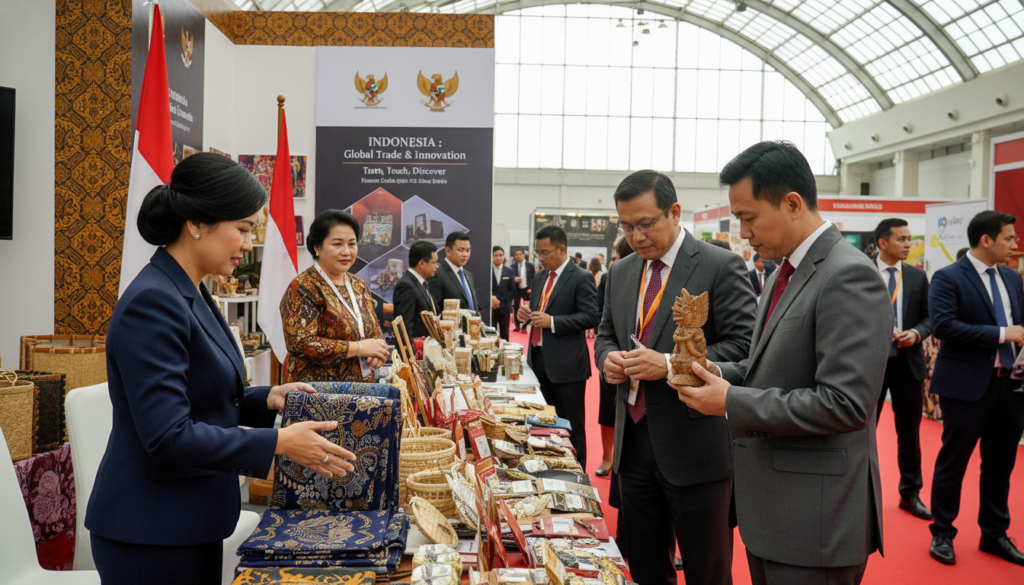
The Impact of Trade Promotion Programs
Government-led initiatives are instrumental in promoting Indonesian products globally. These programs often provide SMEs with the necessary resources to attend international trade shows and connect with potential distributors. By subsidizing participation costs, the government helps smaller brands gain visibility in competitive markets.
Furthermore, these programs offer training on international standards and logistics. This support is vital for companies that are new to international trade with Indonesia. Through targeted workshops, businesses learn how to package and market their goods to meet the specific expectations of American consumers.
Navigating Bilateral Trade Agreements with the United States
The landscape for trade has improved significantly due to recent diplomatic efforts. A major milestone occurred in 2025, when the tariff on Indonesian goods imported by the United States was successfully negotiated down from 32 percent to 19 percent. This reduction provides a massive competitive advantage for exporters.
Lower tariffs allow companies to price their goods more attractively for the American market. This shift is a direct result of ongoing efforts in promoting Indonesian products globally. It demonstrates the power of bilateral cooperation in fostering a more open and accessible marketplace.
Businesses should continue to monitor these agreements to maximize their growth potential. Staying informed about changes in international trade with Indonesia ensures that companies can adapt their strategies quickly. By leveraging these favorable conditions, firms can effectively export Indonesian products to a wider audience across the United States.
Cultural Heritage as a Competitive Advantage
Cultural heritage is no longer just a local asset; it is a vital competitive advantage for modern exporters. By weaving history and tradition into their business models, companies are effectively reaching global markets with indonesian goods. This strategy allows brands to stand out in crowded international spaces by offering something authentic and deeply rooted in identity.
Leveraging Traditional Craftsmanship in Modern Markets
Traditional craftsmanship provides a unique value proposition that mass-produced items often lack. When businesses integrate these time-honored techniques into their production, they create high-quality products that resonate with discerning international buyers. This approach is essential for those looking to elevate their indonesian merchandise abroad.
The following table illustrates how traditional methods compare to standard industrial practices in terms of market positioning:
| Feature | Traditional Craftsmanship | Standard Industrial |
|---|---|---|
| Production Speed | Moderate | High |
| Unique Value | High | Low |
| Market Appeal | Premium/Niche | Mass Market |
| Sustainability | High | Variable |
Storytelling and Brand Identity for Indonesian Merchandise
Effective storytelling transforms a simple product into a cultural experience. Brands like Indomie have mastered this by blending familiar, comforting flavors with a narrative that appeals to a global audience. By focusing on the story behind the item, companies can build a stronger emotional connection with their customers.
“The most successful brands are those that do not just sell a product, but share a piece of their culture with the world.”
Building a strong brand identity requires consistency and a clear vision of how to present indonesian merchandise abroad. When companies successfully articulate their heritage, they find it much easier to maintain loyalty while reaching global markets with indonesian goods. This narrative-driven approach ensures that the product remains memorable long after the initial purchase.
Logistics and Supply Chain Optimization
Streamlining logistics is the backbone of successful international trade with Indonesia. For many local manufacturers, particularly in the furniture sector, the journey from factory floor to American storefront is fraught with financial complexity. Many exporters in regions like Jepara often face 90-day payment terms from US buyers, which creates significant cash flow strain that requires highly efficient shipping cycles to mitigate.
To remain competitive, businesses must focus on optimizing how they export Indonesian products to global markets. By refining these processes, companies can ensure that their goods arrive on time while maintaining healthy profit margins. Resources like exportnusa.com provide essential guidance for navigating these logistical hurdles effectively.
Improving Port Infrastructure and Export Efficiency
The physical movement of goods relies heavily on the quality of port infrastructure. Recent government investments aim to reduce dwell times and lower the costs associated with indonesian products for worldwide distribution. Enhanced connectivity between industrial hubs and major ports is vital for maintaining a steady flow of commerce.
- Digital tracking systems to monitor real-time cargo movement.
- Expansion of deep-sea port facilities to accommodate larger container vessels.
- Streamlined customs clearance procedures to reduce administrative bottlenecks.
Managing Cold Chain Logistics for Perishable Goods
The expansion of international trade with Indonesia also depends on the ability to transport sensitive agricultural commodities safely. Maintaining a strict cold chain is non-negotiable for exporters dealing with perishable items. Without reliable temperature-controlled storage and transport, the quality of these goods can degrade rapidly before reaching the consumer.
Advanced cold chain solutions are now becoming a standard requirement for those who export Indonesian products. By investing in refrigerated containers and climate-controlled warehousing, producers can guarantee that their indonesian products for worldwide distribution meet the high expectations of the American market. These technical improvements are essential for long-term growth and brand reliability.
Overcoming Challenges in the American Market
Expanding into the United States involves overcoming specific regulatory and behavioral barriers. As businesses look to capture a share of the global market for indonesian goods, they must remain highly sensitive to the current economic climate. Recent data from a 2025 PwC survey indicates that approximately 50 percent of consumers are actively reducing spending and switching to more affordable alternatives.
Adapting to Consumer Preferences and Trends
To remain competitive, brands must prioritize agility and value-driven messaging. When consumers prioritize cost-efficiency, your product must clearly demonstrate superior quality or unique cultural value that justifies the price point. Companies that fail to pivot their marketing strategies often struggle to maintain their footing in such a dynamic environment.
Successful firms often leverage international trade with indonesia to streamline their supply chains and reduce overhead costs. By focusing on high-demand categories, businesses can better align their offerings with the evolving needs of American shoppers. Staying ahead of these trends requires constant monitoring of retail data and consumer sentiment.
Navigating Regulatory Hurdles and Import Tariffs
The complexity of indonesian merchandise abroad often stems from strict compliance requirements and fluctuating tariff structures. Navigating these legal frameworks is essential for long-term stability and growth. Businesses should invest in professional guidance to ensure all documentation meets the rigorous standards set by United States customs authorities.
Proactive planning helps mitigate the risks associated with sudden changes in trade policy. By maintaining transparent communication with logistics partners, companies can avoid costly delays at the border. The following table outlines key strategies for managing these common market entry obstacles effectively.
| Challenge Type | Strategic Approach | Expected Outcome |
|---|---|---|
| Consumer Price Sensitivity | Value-based positioning | Increased market share |
| Regulatory Compliance | Third-party auditing | Reduced legal risk |
| Import Tariffs | Supply chain optimization | Improved profit margins |
Sustainability and Ethical Sourcing Trends
Sustainability has evolved from a niche preference into a core requirement for international trade success. As buyers become more conscious of their environmental footprint, the global market for indonesian goods is adapting to meet these high expectations. Companies are now prioritizing long-term ecological health over short-term gains to remain competitive.
Promoting Eco-Friendly Production Practices
Many manufacturers are shifting toward renewable energy sources and waste-reduction strategies to lower their carbon impact. By integrating circular economy principles, local producers are finding innovative ways to repurpose raw materials. These efforts significantly enhance the appeal of indonesian merchandise abroad, as international consumers increasingly favor brands that demonstrate genuine environmental stewardship.
Businesses that invest in sustainable infrastructure often see improved efficiency and lower operational costs over time. This transition is supported by organizations like ExportNusa, which provides guidance on aligning local production with international green standards. Adopting these practices is no longer optional for those aiming to scale their operations globally.
Meeting Global Demand for Fair Trade and Ethical Goods
The commitment to ethical labor practices is a cornerstone of modern trade relations. Following the signing of the Indonesia-Canada Comprehensive Economic Partnership Agreement (CEPA) in September 2025, there is a renewed focus on transparent supply chains. This agreement serves as a catalyst for companies to formalize their fair trade certifications.
Meeting these rigorous standards ensures that workers receive fair wages and operate in safe environments. Key benefits of this ethical approach include:
- Increased trust from international retail partners.
- Better access to premium segments of the global market for indonesian goods.
- Stronger brand loyalty among socially conscious consumers.
By prioritizing human rights and environmental ethics, exporters are successfully positioning their indonesian merchandise abroad as high-quality, responsible choices. This strategic alignment with global values ensures that Indonesian products remain relevant and desirable in an increasingly discerning marketplace.
Conclusion
The path forward for local businesses relies on constant innovation and a commitment to high quality standards. Companies that prioritize indonesian products for worldwide distribution will find lasting success in the competitive American market.
Success requires a blend of digital agility and supply chain resilience. By utilizing platforms like ExportNusa, businesses can streamline their operations from initial sampling to final delivery. This approach ensures that every shipment meets the exact specifications required by international buyers.
Promoting indonesian products globally remains a collective effort that drives long-term economic growth. Stakeholders must continue to leverage cultural storytelling and ethical production to capture the attention of modern consumers. These strategies create a strong foundation for brands looking to expand their reach across borders.
The integration of technology and traditional craftsmanship offers a unique competitive edge. Businesses that embrace these tools will secure their place in the global marketplace. This dedication to excellence ensures that the nation remains a vital partner in international commerce for years to come.