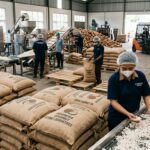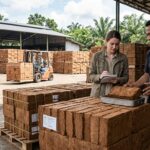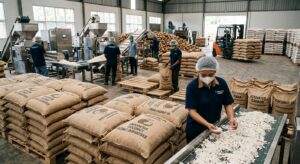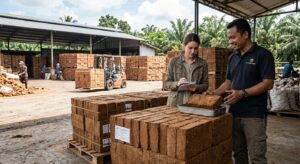


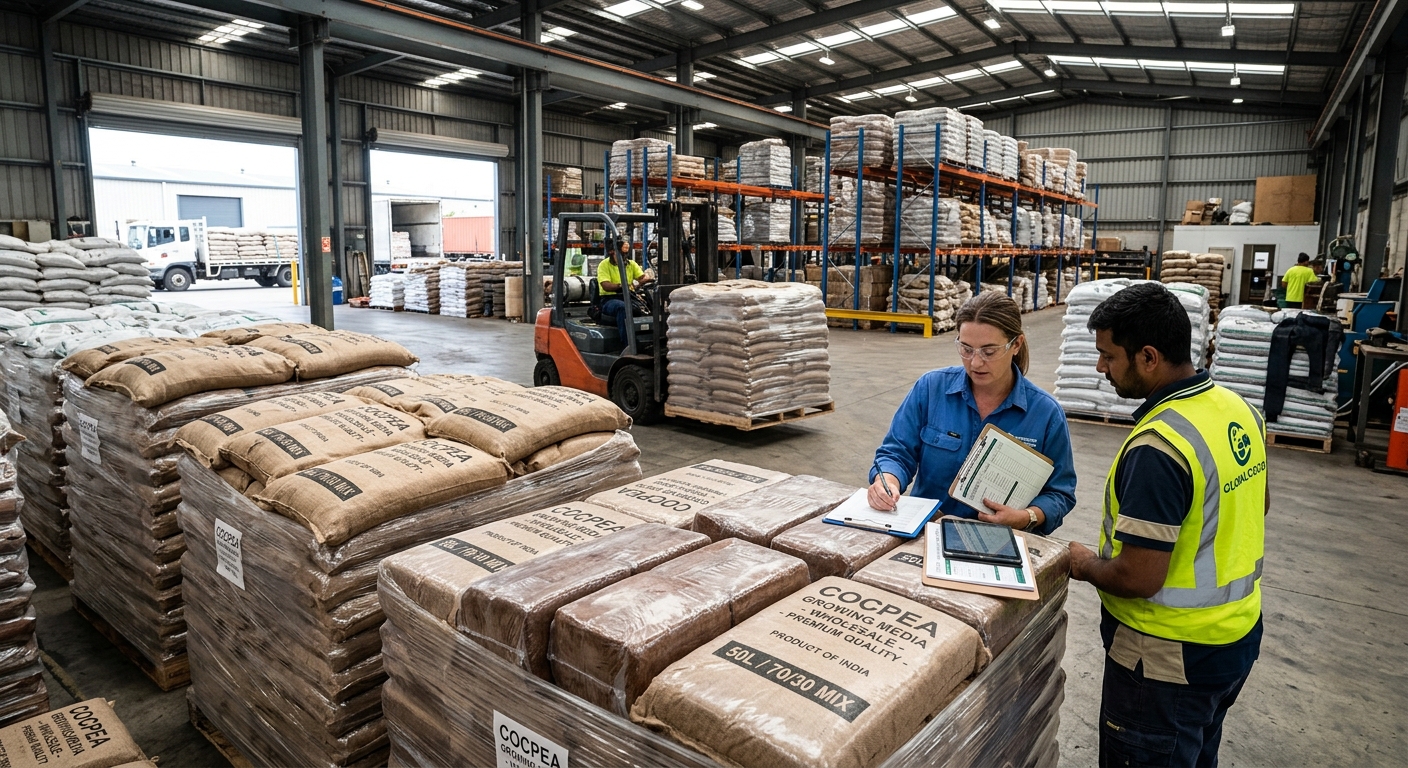
Introduction to Cocopeat Growing Media
In recent years, the agricultural and horticultural industries have experienced a massive shift towards sustainable, eco-friendly farming practices. At the forefront of this revolution is cocopeat, a versatile growing medium derived from the fibrous husks of coconuts. As demand skyrockets, finding reliable cocopeat growing media wholesale distributors has become a top priority for commercial nurseries, greenhouse operators, and hydroponic farmers worldwide. This comprehensive guide will explore the benefits of cocopeat, what to look for in wholesale distributors, and how to navigate the complex world of international sourcing.
The Unmatched Benefits of Cocopeat
Cocopeat, also known as coir pith, offers a multitude of agronomic advantages over traditional soil and peat moss. Its unique physical and chemical properties make it an ideal substrate for a wide variety of crops.
- High Water Retention: Cocopeat can hold up to 10 times its weight in water, ensuring that plant roots remain hydrated between irrigation cycles.
- Excellent Aeration: Despite its moisture-retaining capabilities, cocopeat maintains exceptional porosity, providing plant roots with the oxygen they need to thrive.
- Neutral pH Profile: Unlike traditional peat moss, which is highly acidic, cocopeat boasts a near-neutral pH range (5.5 to 6.8), making it suitable for most plants without the need for extensive amendments.
- Eco-Friendly and Renewable: As a byproduct of the coconut industry, cocopeat is a 100% renewable resource, reducing the environmental footprint of agricultural operations.
Identifying Top-Tier Cocopeat Wholesale Distributors
When selecting cocopeat growing media wholesale distributors, it is crucial to conduct rigorous due diligence. The quality of your growing medium directly impacts crop yield and overall profitability. Look for suppliers who offer consistent quality, transparent processing methods, and reliable shipping timelines.
High-quality distributors will wash, buffer, and age their cocopeat to remove excess salts (specifically sodium and potassium) that naturally occur in coconut husks. If you are importing from major coconut-producing nations like Indonesia, you might notice that reliable suppliers often handle multiple coconut-based exports. For instance, understanding the broader export quality standards in these regions can be beneficial. To see how strict these standards can be in a related industry, you can read the Comprehensive Guide to Charcoal Briquette Export Quality Standards in Indonesia.
Understanding International Logistics and Sourcing
Purchasing wholesale cocopeat usually involves international logistics. The majority of the world’s premium cocopeat is produced in countries like India, Sri Lanka, and Indonesia. Importers must navigate freight forwarding, customs clearance, and fluctuating shipping rates.
Proper documentation is non-negotiable. Phytosanitary certificates, certificates of origin, and commercial invoices must be flawless to avoid costly delays at the port of entry. Navigating these customs requirements can be daunting. For a deeper understanding of what it takes to smoothly import goods from one of the world’s largest coconut producers, refer to the Indonesia Customs Export Regulations for B2B: A Comprehensive Guide.
Pricing Structures: How to Evaluate Wholesale Offers
When requesting quotes from cocopeat growing media wholesale distributors, you will likely encounter various Incoterms, with FOB (Free On Board) and CIF (Cost, Insurance, and Freight) being the most common. Understanding the breakdown of these costs is vital for accurate budgeting.
Factors that influence cocopeat pricing include the level of processing (washed vs. unwashed, buffered vs. unbuffered), the form of the product (blocks, briquettes, or grow bags), and the overall volume of the order. Interestingly, the pricing dynamics for cocopeat share many similarities with other coconut derivatives. To gain insights into how these pricing structures work in a parallel market, check out the FOB Price Coconut Charcoal Indonesia: A Comprehensive Guide.
Diversification Among Coconut Product Suppliers
It is not uncommon to find that large-scale agricultural distributors in Southeast Asia have highly diversified portfolios. The natural resources abundant in these regions lend themselves to a variety of industries. A supplier handling organic cocopeat might also process coconut oils, extracts, and active ingredients used in the beauty industry.
This cross-industry expertise often translates into better quality control and more robust manufacturing facilities. In fact, the utilization of natural Indonesian resources extends far beyond agriculture. For an interesting look at how these resources are applied in other lucrative sectors, you can explore the Private Label Cosmetics Manufacturing Indonesia: A Complete Guide.
Comparing Common Forms of Cocopeat Media
Wholesale distributors generally offer cocopeat in several compressed formats to optimize shipping costs. Below is a comparison table of the most popular forms:
| Product Form | Typical Weight | Expansion Ratio | Best Use Case |
|---|---|---|---|
| Cocopeat Blocks | 5 kg | 1:15 | Large scale mixing, commercial nurseries |
| Cocopeat Briquettes | 650 g | 1:10 | Retail distribution, small-scale hydroponics |
| Grow Bags (Slabs) | Various | Pre-measured | Greenhouse vegetable production (tomatoes, cucumbers) |
| Coir Discs | 10 g – 100 g | 1:5 | Seed starting, cloning |
Quality Control: The Washing and Buffering Process
As mentioned earlier, the raw coconut husk is naturally high in salts. Therefore, the washing and buffering process is the most critical step in producing horticultural-grade cocopeat. Distributors wash the coir in fresh water to reduce the Electrical Conductivity (EC) levels. Buffering involves treating the washed coir with calcium nitrate to displace sodium and potassium ions.
When interviewing potential cocopeat growing media wholesale distributors, always ask for recent laboratory analyses confirming the EC levels, pH, and moisture content of their batches. A trustworthy supplier will have no problem providing transparent, third-party testing results.
Conclusion
Finding and partnering with the right cocopeat growing media wholesale distributors can significantly elevate your agricultural operations. By understanding the unique benefits of cocopeat, evaluating suppliers based on strict quality control metrics, and mastering the nuances of international trade and pricing, you can secure a sustainable, high-performing growing medium for your crops. Always prioritize distributors who are transparent about their washing and buffering processes, and who demonstrate a clear understanding of international export regulations.
Frequently Asked Questions (FAQ)
What is the ideal Electrical Conductivity (EC) level for wholesale cocopeat?
For horticultural and hydroponic applications, high-quality washed and buffered cocopeat should ideally have an EC level of less than 0.5 mS/cm. This ensures that the growing medium does not introduce toxic salt levels to sensitive plant roots.
How is wholesale cocopeat typically shipped?
To maximize freight efficiency, cocopeat is highly compressed into blocks or briquettes and palletized. It is then shipped internationally in 20-foot or 40-foot standard or high-cube shipping containers. Upon arrival, the end-user hydrates the blocks to decompress the material back to its original volume.
Can cocopeat be reused after a growing season?
Yes, one of the major advantages of cocopeat is its durability. It degrades much slower than peat moss. However, before reusing cocopeat for a new crop cycle, it should be sterilized (often through steam treatment) and thoroughly flushed to remove any accumulated fertilizer salts or root debris from the previous harvest.