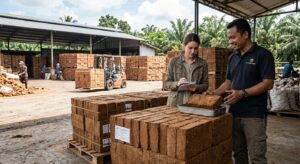


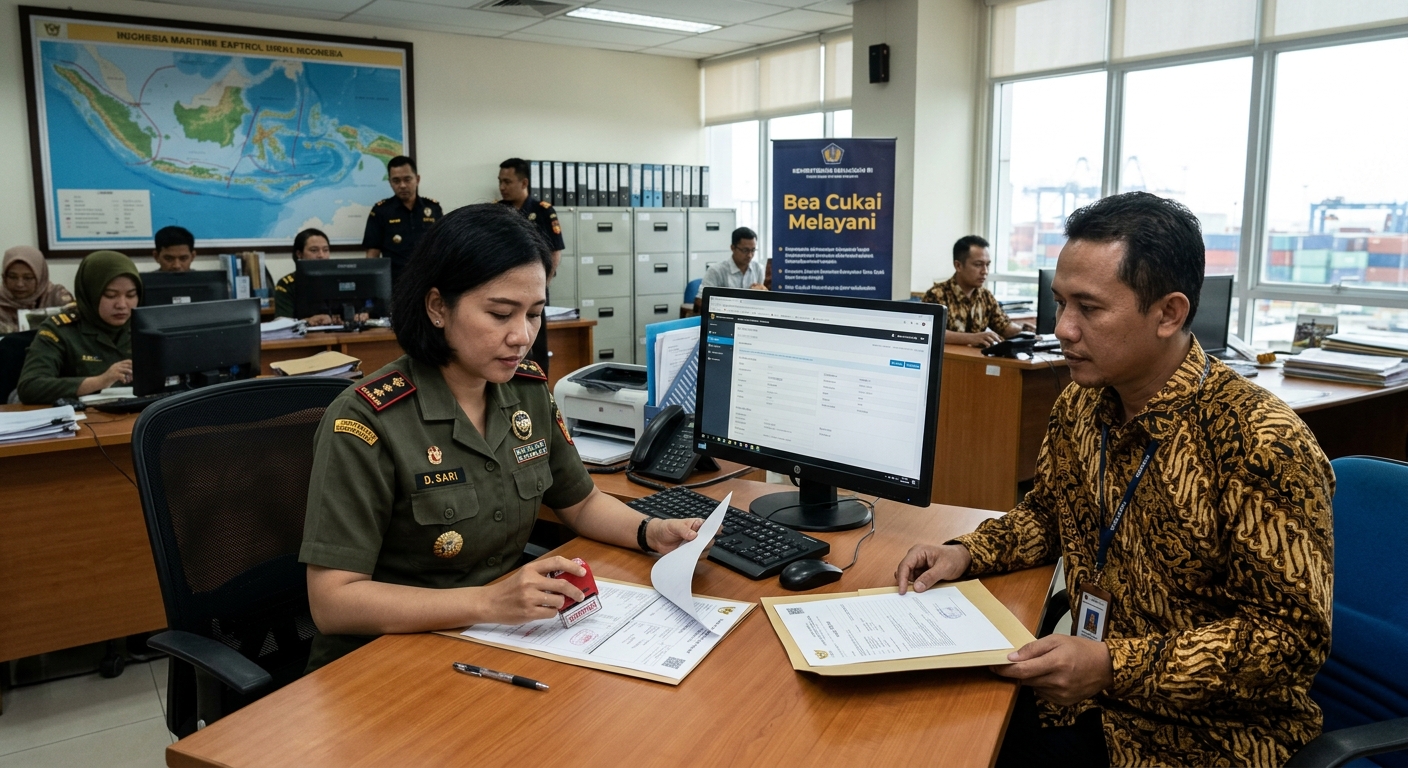
Introduction to Sourcing from Indonesia
Indonesia is rapidly emerging as a global powerhouse in manufacturing and raw material exports. From agricultural commodities to processed goods, the archipelago offers a wealth of opportunities for international buyers. However, venturing into cross-border trade requires due diligence. Learning how to verify Indonesian exporters legitimacy is crucial to mitigate risks, avoid scams, and build long-term, profitable relationships. This guide will walk you through the comprehensive steps needed to ensure your potential Indonesian partner is reliable, legally compliant, and capable of meeting your business needs.
Understanding the Importance of Verification
When dealing with international suppliers, distance and differing legal frameworks can make dispute resolution difficult and expensive. Verifying an exporter’s legitimacy upfront protects your investment. It ensures that the company actually exists, holds the necessary permits, and has a track record of fulfilling orders. If you are exploring specific sectors, such as food production, understanding the landscape is beneficial. For instance, you might want to review A Complete Guide to Indonesian Food Manufacturers and Private Labeling to gauge the credibility and capabilities of potential partners in that industry.
The Risks of Bypassing Due Diligence
- Financial Loss: Making advance payments to fraudulent entities.
- Substandard Quality: Receiving goods that do not meet agreed specifications.
- Legal Issues: Unknowingly participating in illegal export activities or dealing with sanctioned entities.
- Supply Chain Disruptions: Delays caused by the supplier’s inability to navigate customs or secure necessary documentation.
Step-by-Step Guide to Verifying Indonesian Exporters
1. Check Corporate Registration and Legal Documents
The first step in verifying any Indonesian company is to request their fundamental legal documents. A legitimate exporter should willingly provide copies of their company registration. Look for the TDP (Tanda Daftar Perusahaan) or the newer NIB (Nomor Induk Berusaha), which is the Business Identification Number. Additionally, request their NPWP (Nomor Pokok Wajib Pajak), the tax identification number. You can verify these numbers through the official portal of the Indonesian Ministry of Law and Human Rights (AHU Online) or the OSS (Online Single Submission) system.
2. Verify Export Licenses and Permits
Depending on the product, exporters must hold specific licenses. Some goods are heavily regulated or subject to specific tax structures. For example, if you are trading in palm oil, you must ensure the exporter complies with government regulations. You can learn more about this by reading Understanding Indonesia Export Taxes on Crude Palm Oil: A Comprehensive Guide. Ensure the supplier holds an ET (Eksportir Terdaftar) or Registered Exporter status for regulated commodities.
3. Conduct an Online Footprint Analysis
A legitimate company usually has a professional online presence. Check their official website, LinkedIn profiles of key executives, and listings on reputable B2B directories. Be wary of companies that solely use free email services (like Gmail or Yahoo) for official communication, or websites that lack a physical address and landline phone number. Use Google Street View to verify their factory or office address.
4. Request and Verify Bank Details
Fraudsters often use personal bank accounts or accounts located in third-party countries. Always insist on transferring funds to a corporate bank account registered in Indonesia under the exact name of the company you are dealing with. Discrepancies between the company name and the bank account holder name are a major red flag.
5. Analyze Pricing and Trading Terms
If a deal seems too good to be true, it probably is. Unusually low prices are a common tactic used by scammers to lure unsuspecting buyers. Compare their quotes with current market rates. For instance, if you are sourcing charcoal, you should familiarize yourself with the standard FOB Price Coconut Charcoal Indonesia: A Comprehensive Guide. Legitimate exporters understand market values and offer realistic pricing structures based on Incoterms.
6. Understand Relevant Trade Agreements
Legitimate exporters are usually knowledgeable about international trade agreements that can benefit their buyers. Knowledge of tariffs and origin certifications demonstrates professionalism. For buyers in Europe, understanding frameworks is essential. You can expand your knowledge by Understanding IEU CEPA Trade Agreement Tariffs: A Comprehensive Guide, which a reputable Indonesian exporter should also be familiar with to help optimize your import duties.
Utilizing Third-Party Verification Services
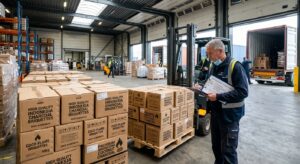
If you cannot visit Indonesia in person, employing a third-party inspection and verification service is highly recommended. Companies like SGS, Intertek, or local Indonesian inspection agencies can conduct factory audits, verify legal documents, and perform pre-shipment inspections.
| Verification Method | Pros | Cons |
|---|---|---|
| Document Review | Cost-effective, quick initial screening | Documents can be forged |
| Online Research | Free, provides a general overview of reputation | Information may be outdated or manipulated |
| Third-Party Audit | Highly reliable, comprehensive assessment | Incurs additional costs |
| On-Site Visit | Builds strong relationships, allows direct inspection | Expensive and time-consuming |
Warning Signs of a Fraudulent Exporter
While conducting your due diligence, remain alert for these common red flags:
- Reluctance or refusal to provide legal company documents (NIB, NPWP).
- Pushing for full payment upfront via non-traceable methods like Western Union or cryptocurrency.
- Inconsistencies in communication, such as changing contact persons frequently or poor command of industry terminology.
- Pressure tactics, such as claiming a “limited time offer” to force a quick decision.
- Lack of a verifiable physical address or landline telephone number.
Conclusion
Learning how to verify Indonesian exporters legitimacy is a foundational skill for any international buyer looking to source from Southeast Asia’s largest economy. By meticulously checking legal documents, conducting thorough online research, utilizing third-party audits, and understanding industry-specific regulations and pricing, you can significantly reduce the risk of fraud. Building a robust supply chain requires patience and rigorous due diligence, but the reward is a stable, profitable partnership with legitimate Indonesian enterprises.
Frequently Asked Questions (FAQ)
What is an NIB and why is it important?
The NIB (Nomor Induk Berusaha) is the Business Identification Number issued by the Indonesian government through the OSS system. It serves as proof that a company is legally registered to conduct business and acts as their basic import/export license.
Can I trust an exporter who only communicates via WhatsApp?
While WhatsApp is widely used for business in Indonesia, it should not be the sole method of communication. A legitimate exporter should also have official corporate email addresses, a professional website, and a verifiable landline phone number.
How can I verify a company’s tax ID (NPWP) in Indonesia?
You can verify an Indonesian company’s NPWP (Nomor Pokok Wajib Pajak) by asking for a copy of their tax card and cross-referencing it with the Indonesian Directorate General of Taxes (DJP) online portal, or by hiring a local legal consultant to perform a background check.
What payment terms are standard for legitimate Indonesian exporters?
Standard payment terms often include a Letter of Credit (L/C) at sight or a Telegraphic Transfer (T/T) with a 30% to 50% deposit upfront, and the balance paid against copies of the shipping documents (like the Bill of Lading). Be highly suspicious of suppliers demanding 100% upfront payment before production.