

Introduction to Indonesia’s Trade Environment
Indonesia, the largest economy in Southeast Asia, offers immense opportunities for international trade. However, navigating the country’s export and import regulations can be complex. This comprehensive Indonesia export import procedures manual is designed to help businesses understand the regulatory landscape, required documentation, and step-by-step processes for successful cross-border trade.
Understanding the Basic Requirements
Before engaging in international trade in Indonesia, businesses must establish a legal presence and obtain the necessary licenses. The Indonesian government has streamlined many processes through the Online Single Submission (OSS) system, but specific permits are still required depending on the nature of the goods.
Business Registration and NIB
To begin importing or exporting, a company must first obtain a Business Identification Number (Nomor Induk Berusaha or NIB) through the OSS system. The NIB serves as the company’s registration and also acts as the Importer Identification Number (API) and Customs Access Right. This integration has significantly reduced the administrative burden on businesses.
Export Procedures in Indonesia
Exporting from Indonesia involves several key steps to ensure compliance with local regulations and international standards. This is particularly relevant for businesses dealing with popular Indonesian commodities.
Step-by-Step Export Process
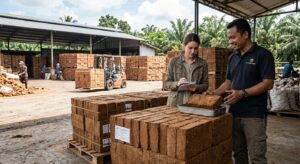
- Preparation of Goods: Ensure the goods meet quality standards and are packaged correctly. For example, if you are working with a Indonesian Cocopeat Block Wholesale Supplier: Your Complete Guide to Premium Coir, you must verify the moisture content and block dimensions.
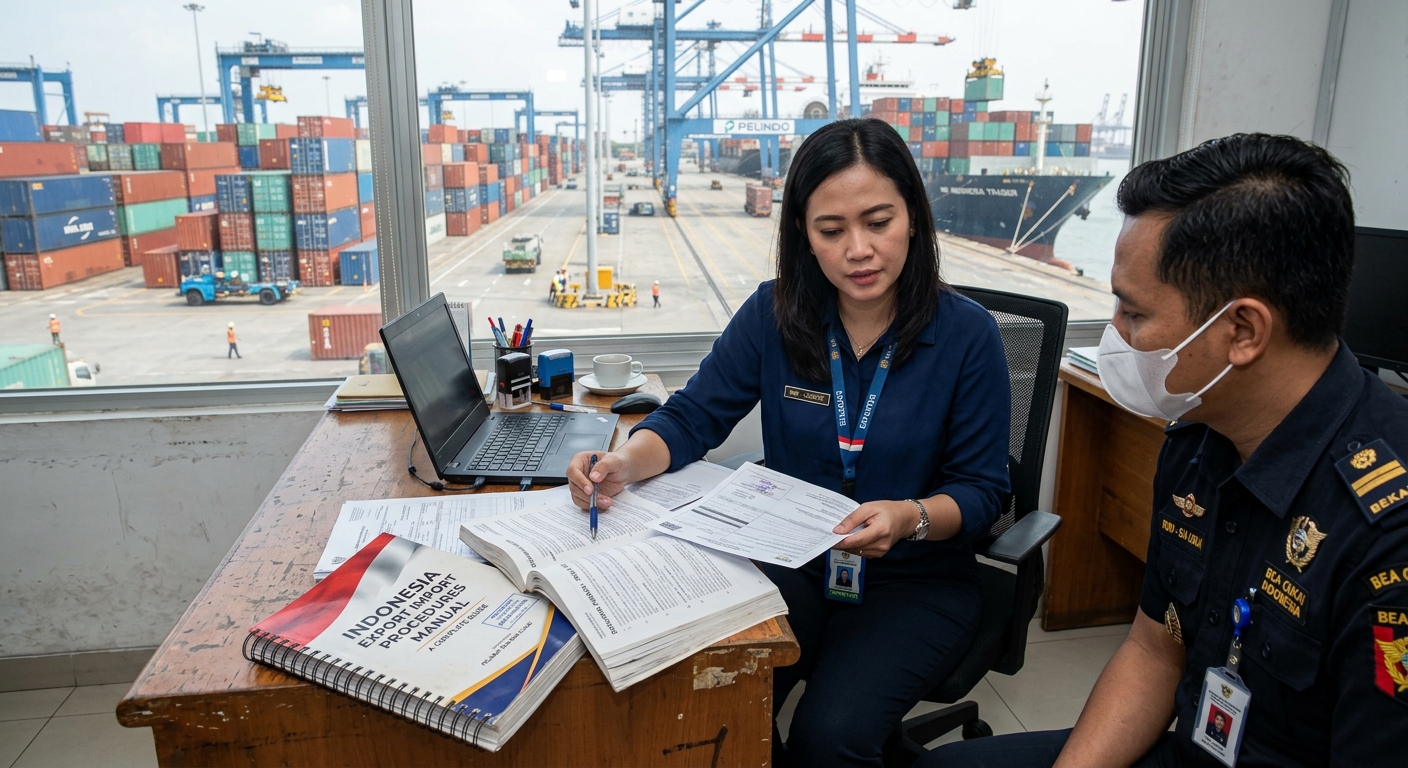
- Export Notification (PEB): Submit the Pemberitahuan Ekspor Barang (PEB) to the customs office. This document details the goods, their value, and destination.
- Customs Inspection: Depending on the risk profile of the goods and the exporter, customs may inspect the cargo. Certain products like wood or minerals require specific surveyor reports (Laporan Surveyor).
- Payment of Export Duties: Some commodities are subject to export duties, which must be paid before customs clearance is granted.
- Issuance of NPE: Once everything is verified and duties are paid, customs will issue a Nota Pelayanan Ekspor (NPE), allowing the goods to be loaded onto the vessel or aircraft.
Import Procedures in Indonesia
Importing goods into Indonesia requires careful attention to detail, as customs regulations are strictly enforced to protect domestic industries and ensure safety standards.
Step-by-Step Import Process
- Pre-Import Verification: Check if the goods require any special import licenses or are subject to quotas. This is crucial before shipping the goods.
- Import Declaration (PIB): Submit the Pemberitahuan Impor Barang (PIB) along with supporting documents (invoice, packing list, bill of lading, and certificate of origin).
- Payment of Import Taxes: Calculate and pay the relevant import duties, Value Added Tax (VAT), and Income Tax (Article 22).
- Customs Channeling: Customs assigns imports to different channels based on risk: Green (no physical inspection), Yellow (document check), or Red (physical inspection and document check).
- Release of Goods: After clearance and issuance of the Surat Persetujuan Pengeluaran Barang (SPPB), the goods can be released from the port.
Key Documentation for Export and Import
Proper documentation is the backbone of smooth customs clearance. Missing or inaccurate documents can lead to delays, fines, or seizure of goods.
| Document Type | Description | Required For |
|---|---|---|
| Commercial Invoice | Details the transaction between buyer and seller, including price. | Both |
| Packing List | Provides specific details about the packaging and contents of each box/pallet. | Both |
| Bill of Lading / Airway Bill | The contract of carriage and receipt of goods by the carrier. | Both |
| Certificate of Origin (CoO) | Certifies the country where the goods were produced (crucial for FTAs). | Both |
| PEB / PIB | The official customs declaration forms for export and import, respectively. | Export (PEB) / Import (PIB) |
Sector-Specific Trade: Charcoal Products
Indonesia is a global leader in the export of charcoal products, primarily coconut and wood-based. Exporting these products requires specific knowledge of international shipping regulations regarding dangerous goods.
When dealing with these commodities, finding reliable partners is essential. For instance, businesses should consult a Comprehensive Guide to Coconut Charcoal Briquettes Manufacturers in Indonesia to understand production capacities and quality controls. Furthermore, those targeting the Middle Eastern or European markets will benefit from A Complete Guide to Shisha Charcoal Briquettes Wholesale in Indonesia to navigate specific buyer preferences.
Charcoal exports often require a Self-Heating Test certificate from an accredited laboratory to prove the cargo is not liable to spontaneous combustion during transit, classifying it properly under IMDG codes.
Leveraging Local Partnerships
Navigating the Indonesian regulatory framework can be challenging for foreign entities. Partnering with local experts, freight forwarders, and established export companies can mitigate risks. Engaging with professionals who understand the nuances of the local market, such as Export Nusa services, can streamline operations and ensure compliance with the latest regulations.
Conclusion
Successfully managing export and import operations in Indonesia requires a deep understanding of the regulatory landscape, meticulous preparation of documentation, and a proactive approach to compliance. By utilizing the OSS system, adhering to customs procedures, and leveraging the expertise of local partners, businesses can effectively tap into Indonesia’s vast trade potential and build a robust supply chain network.
Frequently Asked Questions (FAQ)
What is a NIB and why is it important?
The NIB (Nomor Induk Berusaha) is a Business Identification Number issued by the OSS system. It replaces several previous company registration documents and serves as the primary import/export license (API) and customs access right, making it mandatory for any business trading internationally in Indonesia.
What is the difference between the Green, Yellow, and Red customs channels?
The Green channel allows goods to clear customs without physical inspection. The Yellow channel requires only a document check. The Red channel mandates both a thorough physical inspection of the cargo and a detailed document check, usually assigned to high-risk goods or new importers.
Do I always need a Certificate of Origin (CoO) when importing to Indonesia?
While not always mandatory, a CoO is highly recommended. It is strictly required if you wish to claim preferential tariff rates under various Free Trade Agreements (FTAs) that Indonesia is a party to, such as the ASEAN Trade in Goods Agreement (ATIGA).