

Introduction to Indonesia’s Export Landscape
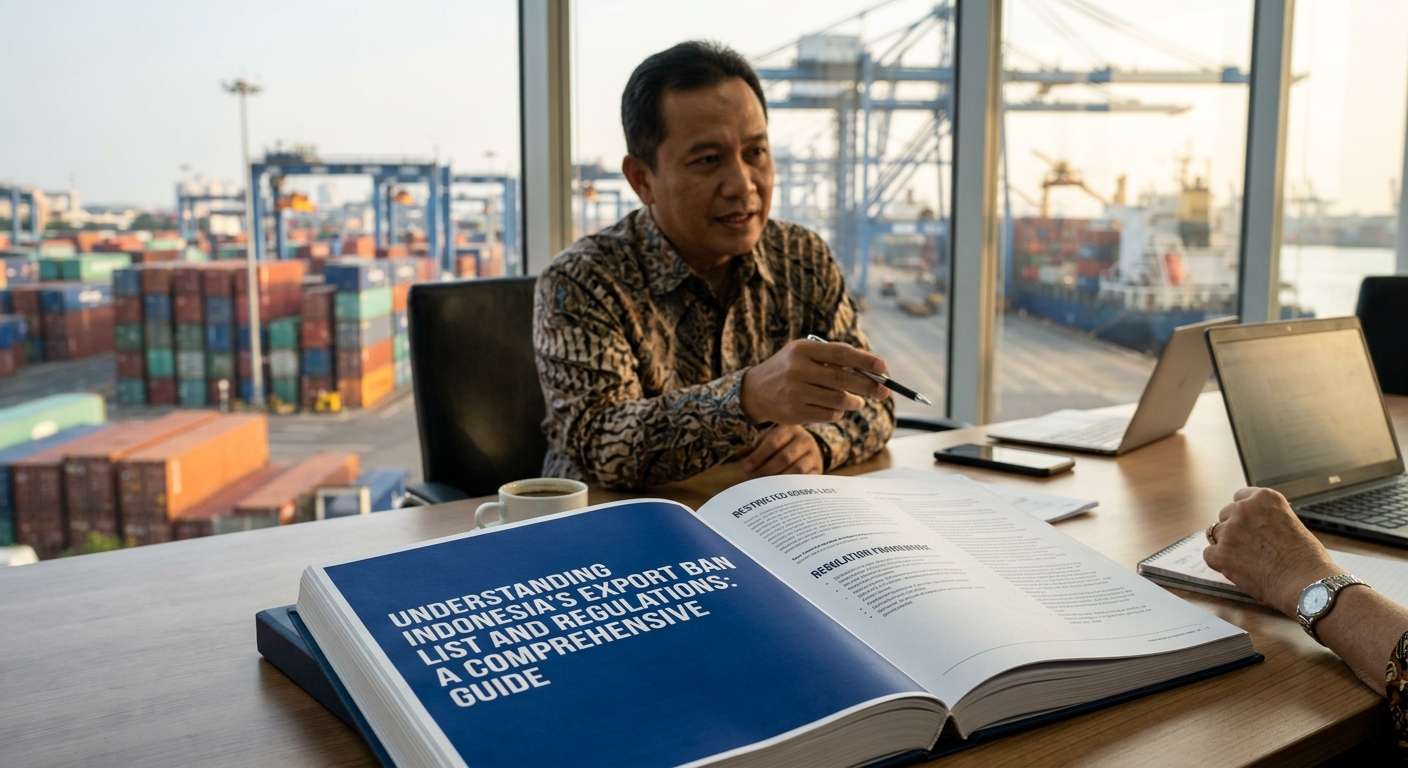
Indonesia is one of the most resource-rich countries in the world, playing a critical role in the global supply chain for commodities such as minerals, agricultural products, and energy resources. Over the past few years, the Indonesian government has implemented a series of strategic export bans and stringent regulations. These policies are primarily aimed at promoting domestic downstream industries, ensuring national resource security, and increasing the value-add of raw materials before they reach international markets. Understanding the Indonesia export ban list and regulations is crucial for global businesses, investors, and traders who rely on Indonesian commodities.
This comprehensive guide delves into the specifics of Indonesia’s export policies, examining the restricted items, the economic rationale behind these decisions, and how international buyers can navigate the complex regulatory environment. From raw minerals to agricultural staples, the regulatory framework is evolving, and staying compliant requires constant vigilance.
The Rationale Behind Indonesia’s Export Bans
The primary driver of Indonesia’s export restrictions is the government’s “downstreaming” (hilirisasi) policy. Instead of exporting raw, unprocessed materials, Indonesia aims to force companies to process these goods domestically. This approach is designed to attract foreign direct investment into processing facilities, create jobs, and ultimately export higher-value products.
Furthermore, domestic market obligations (DMO) dictate that a certain percentage of goods, such as coal and palm oil, must be sold domestically at capped prices to ensure local supply stability and control inflation. Failing to understand these underlying motives can leave foreign buyers caught off guard by sudden regulatory shifts.
The Indonesia Export Ban List: Key Commodities
The Indonesian export ban list is not static; it changes based on domestic needs and geopolitical factors. However, several key commodities have been heavily regulated or outright banned in recent years. Below is a detailed look at the most significant sectors affected.
1. Mineral Resources: Nickel, Bauxite, and Copper
Perhaps the most famous of Indonesia’s export bans is the restriction on nickel ore. Implemented fully in 2020, the ban on raw nickel ore exports sent shockwaves through the global electric vehicle (EV) and stainless steel markets. The strategy was highly successful in attracting billions of dollars in investments for domestic smelters, primarily from Chinese firms.
Following the success of the nickel ban, Indonesia expanded its restrictions to other minerals. The export of washed bauxite was banned to spur the domestic aluminum industry. Similar restrictions and increasing export taxes have been placed on copper concentrate, zinc, and lead, forcing miners to build local processing plants.
| Commodity | Status | Primary Reason for Restriction |
|---|---|---|
| Nickel Ore | Fully Banned | Promote domestic EV battery and stainless steel production |
| Bauxite | Fully Banned | Develop local aluminum processing industry |
| Copper Concentrate | Restricted/Taxed | Mandate construction of domestic smelters |
| Tin | Highly Regulated | Ensure value addition through local refinement |
2. Agricultural Products: Palm Oil
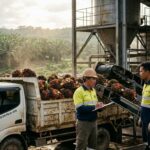
Indonesia is the world’s largest producer and exporter of palm oil. Because it is a staple cooking oil for Indonesians, domestic price surges can lead to significant political pressure. In 2022, Indonesia temporarily shocked global markets by banning palm oil exports to stabilize local cooking oil prices. Although the blanket ban was short-lived, it was replaced by a strict Domestic Market Obligation (DMO) policy.
Exporters are now required to prove they have supplied a certain quota of palm oil to the domestic market before they are granted export permits. For businesses dealing in this sector, having access to a Comprehensive Guide to Indonesia Crude Palm Oil Export Regulations is essential for maintaining a steady supply chain and avoiding legal pitfalls.
3. Coal and Energy
Similar to palm oil, coal is subject to strict DMO rules. Indonesia is a top global thermal coal exporter, but the government mandates that miners reserve at least 25% of their production for the state electricity utility (PLN) at capped prices. In January 2022, a temporary export ban was placed on coal due to critically low inventory levels at domestic power plants. While exports resumed shortly after, the government rigorously enforces the DMO, and companies failing to meet their quotas face severe export embargoes and fines.
4. Coconut and Charcoal Derivatives
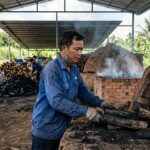
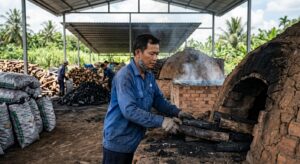
While not subject to sweeping bans like minerals, the export of forestry and agricultural derivatives such as charcoal and cocopeat requires adherence to strict quality and environmental standards. The Indonesian government actively monitors the export of these goods to prevent deforestation and ensure that only sustainably sourced products reach the international market.
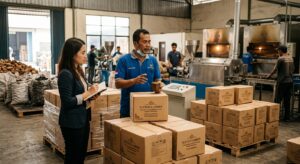
For global buyers looking for high-quality shisha charcoal, navigating the supplier landscape requires understanding these compliance metrics. Buyers are highly encouraged to consult resources like The Ultimate Guide to Premium Shisha Charcoal Suppliers in Indonesia to find vendors who meet all legal export criteria. Additionally, for agricultural mediums, working with a certified Private Label Cocopeat Manufacturer Sumatra: A Comprehensive Guide provides insights into sourcing sustainable, export-ready coconut derivatives without violating environmental regulations.
Navigating Export Regulations and Customs
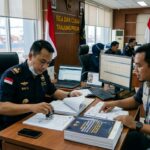
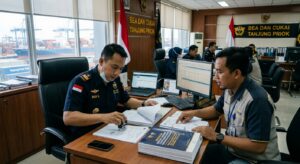
Understanding the ban list is only half the battle; businesses must also navigate the complex bureaucratic processes of the Indonesian Directorate General of Customs and Excise. Exporting from Indonesia requires a series of licenses, permits, and tax clearances.
Essential Export Documentation
- Nomor Induk Berusaha (NIB): The Business Identification Number, which acts as a basic import/export license.
- Pemberitahuan Ekspor Barang (PEB): The Export Declaration form that must be submitted to customs before goods can be loaded onto a vessel.
- Laporan Surveyor (LS): A Surveyor Report required for specific commodities (like minerals and certain agricultural goods) to verify the quantity and quality of the shipment.
- Certificate of Origin (CoO): Essential for buyers looking to claim preferential tariff rates under various free trade agreements.
Moreover, certain goods are subject to Export Duties (Bea Keluar), which can fluctuate based on government reference prices. To fully grasp the administrative and legal requirements for corporate trading, foreign buyers should review the Indonesia Customs Export Regulations for B2B: A Comprehensive Guide. This resource breaks down the exact steps and compliance frameworks necessary to execute seamless B2B transactions.
The Impact of Indonesia’s Policies on Global Trade
Indonesia’s proactive and sometimes protectionist export policies have significantly altered global trade dynamics. On one hand, these regulations have successfully spurred domestic industrialization. By forcing companies to process goods locally, Indonesia has climbed the value chain, resulting in increased export revenues from finished and semi-finished goods rather than raw materials.
On the other hand, these bans have caused volatility in international commodity markets. Countries heavily reliant on Indonesian raw materials have had to scramble to find alternative sources or invest heavily in Indonesian processing infrastructure. The World Trade Organization (WTO) has even seen disputes regarding these policies, with nations arguing that the bans violate international free trade agreements. Despite external pressures, the Indonesian government remains steadfast in its downstreaming agenda, signaling that the era of cheap, raw material exports is definitively over.
Best Practices for Importers and Global Businesses
For international companies doing business with Indonesia, agility and compliance are key. Here are several best practices to ensure smooth operations:
- Stay Informed: Indonesian trade regulations can change rapidly. Regularly monitor announcements from the Ministry of Trade and the Ministry of Energy and Mineral Resources.
- Partner with Compliant Suppliers: Ensure that your local partners have a strong track record of fulfilling Domestic Market Obligations and possess all necessary environmental and export certifications.
- Consider Local Investments: To secure long-term supply, especially in the mineral sector, foreign companies should consider establishing joint ventures or investing directly in local processing facilities.
- Engage Legal and Customs Experts: The intricacies of Indonesian customs require specialized knowledge. Utilizing local legal counsel or specialized trade consultants can prevent costly shipment delays and fines.
Conclusion
The Indonesia export ban list and regulations reflect a confident, resource-rich nation determined to maximize the economic value of its natural wealth. Through aggressive downstreaming policies and stringent domestic market obligations, Indonesia is reshaping its role in the global supply chain. While these regulations present challenges—ranging from outright bans on raw minerals to complex compliance frameworks for agricultural goods—they also offer opportunities for strategic investments and sustainable sourcing. By staying deeply informed about customs requirements, partnering with compliant manufacturers, and adapting to legislative shifts, global businesses can successfully navigate the complexities of Indonesian trade and secure their supply chains for the future.
Frequently Asked Questions (FAQ)
What is the main reason behind Indonesia’s export bans?
The primary reason is the government’s “downstreaming” policy, which aims to force the domestic processing of raw materials. This strategy creates local jobs, attracts foreign direct investment for building smelters and refineries, and increases the overall export value of the country’s commodities.
Are all raw minerals banned from export in Indonesia?
While not all are banned, many key minerals face severe restrictions. Raw nickel ore and washed bauxite are fully banned. Others, like copper concentrate and tin, are subject to high export taxes, volume quotas, and strict mandates requiring the development of local processing facilities.
How does the Domestic Market Obligation (DMO) affect palm oil exports?
The DMO requires palm oil producers to sell a specific percentage of their output to the domestic market at government-capped prices. Producers are only granted export permits after they have proven compliance with their DMO quotas, ensuring that local cooking oil supplies remain stable.
What documentation is required to export goods from Indonesia?
Exporters generally need a Business Identification Number (NIB), an Export Declaration (PEB), and a Packing List and Commercial Invoice. Depending on the commodity, additional documents like a Surveyor Report (LS), phytosanitary certificates, or a Certificate of Origin (CoO) may also be strictly required by Indonesian Customs.