

Introduction to Coconut Shell Charcoal Factories in Java
Java, Indonesia, is widely recognized as a central hub for the production of high-quality coconut shell charcoal. The region’s abundant agricultural resources provide an ideal environment for establishing a world-class coconut shell charcoal factory java setup. This article delves deep into the processes, benefits, and market dynamics surrounding this thriving industry, which supplies premium charcoal to international markets for various uses, including shisha, barbecue, and industrial applications.
The Manufacturing Process
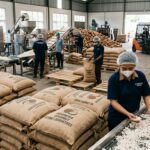
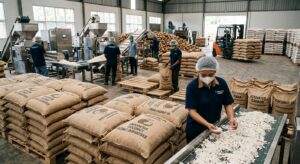
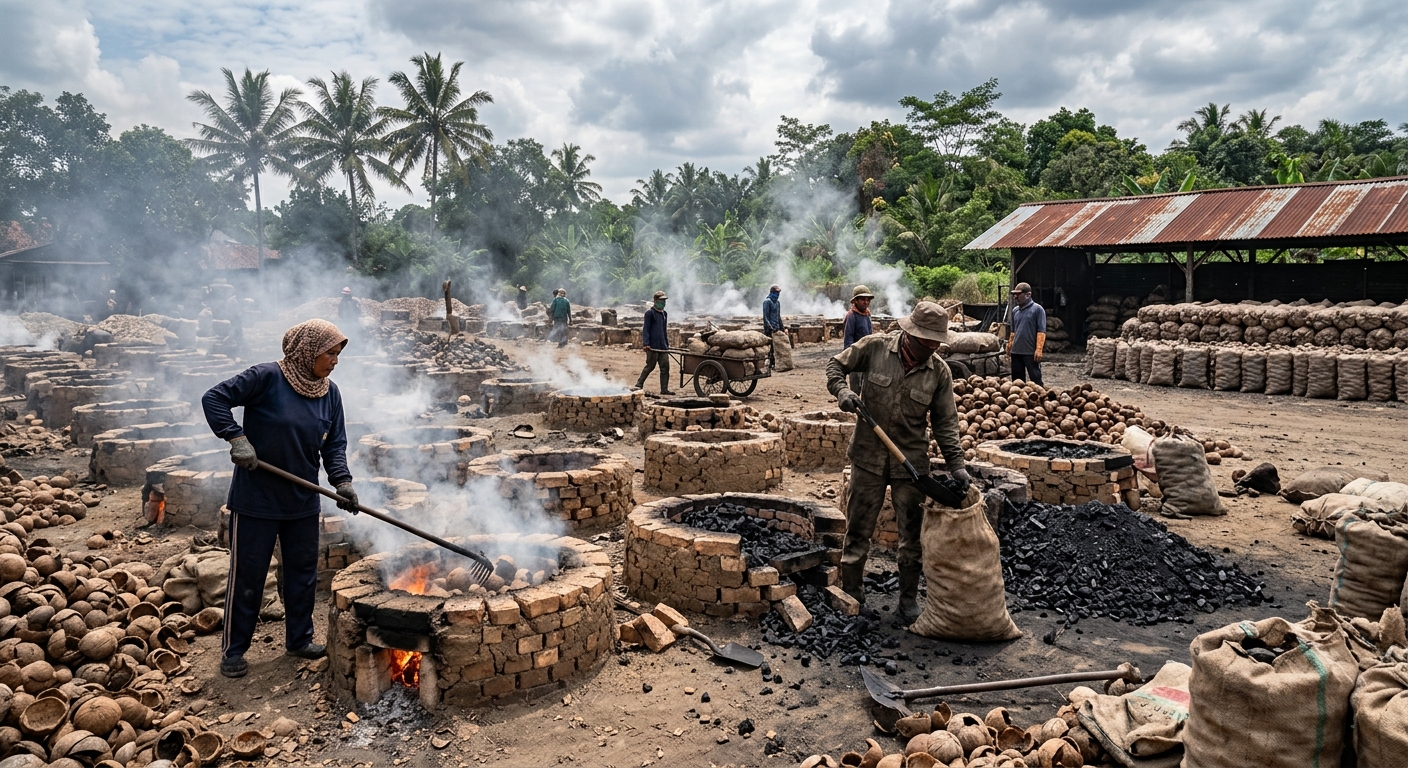
The journey from a discarded coconut shell to premium charcoal briquettes involves a meticulous manufacturing process. First, high-quality, mature coconut shells are sourced from local farmers. These shells undergo a rigorous cleaning and sorting phase to ensure consistency. The carbonization process follows, where the shells are burned in specialized kilns with restricted oxygen. This step is crucial for yielding charcoal with high fixed carbon and low ash content.
After carbonization, the charcoal is crushed into a fine powder, mixed with a natural binder like tapioca starch, and pressed into various shapes. Quality control is paramount at every stage. For buyers looking into specific applications, such as hookah, reading The Ultimate Guide to Finding a Shisha Charcoal Briquette Manufacturer in Indonesia provides excellent insights into what to look for regarding product specifications and factory standards.
Why Choose Java for Production?
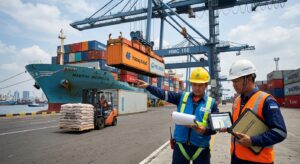
Java offers strategic advantages for charcoal production. The island boasts a robust infrastructure, skilled labor, and proximity to major shipping ports, making export logistics highly efficient. Furthermore, Indonesia’s overall agricultural export ecosystem is vast. While navigating related sectors, it is also beneficial to understand broader agricultural export regulations, such as by Understanding the Indonesia Palm Oil Export Tax Rate: A Comprehensive Guide, which highlights the country’s export dynamics.
Sustainability and Eco-Friendly Practices
One of the strongest selling points of coconut shell charcoal is its sustainability. It is a 100% natural, renewable resource that utilizes agricultural waste. By repurposing coconut shells, factories in Java help reduce environmental waste and prevent deforestation associated with traditional wood charcoal. Additionally, many factories are expanding their eco-friendly product lines. For instance, the by-products of the coconut industry are vast. You can learn more by checking out this Comprehensive Guide to Bulk Cocopeat Block Suppliers in Indonesia.
Quality Standards and Specifications
When sourcing from a coconut shell charcoal factory java, buyers should demand strict adherence to international quality standards. The table below outlines typical specifications for premium grade charcoal briquettes:
| Specification | Standard Value |
|---|---|
| Fixed Carbon | 75% – 85% |
| Ash Content | 1.5% – 3.0% |
| Volatile Matter | 10% – 15% |
| Moisture Content | Max 5% |
| Burning Time | 90 – 120 minutes |
To ensure you are partnering with reputable suppliers, it is highly recommended to consult established trade platforms. You can find reliable Indonesian exporters to streamline your procurement process and guarantee product authenticity and quality.
Conclusion
The coconut shell charcoal factory java sector represents a vital, sustainable, and highly lucrative industry. With its abundance of raw materials, skilled workforce, and commitment to quality, Java continues to dominate the global market for coconut charcoal. Whether for personal use or large-scale industrial applications, sourcing from this region guarantees a product that is both high-performing and environmentally responsible. As global demand for sustainable fuel alternatives rises, the future of Java’s charcoal industry looks exceptionally bright.
Frequently Asked Questions
What makes coconut shell charcoal better than wood charcoal?
Coconut shell charcoal is considered superior because it burns hotter, lasts longer, and produces significantly less ash and smoke compared to traditional wood charcoal. It is also a more sustainable, eco-friendly option as it utilizes agricultural waste rather than cutting down trees.
How can I verify the quality of a charcoal factory in Java?
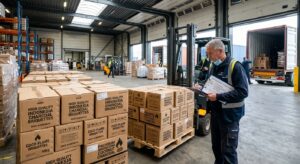
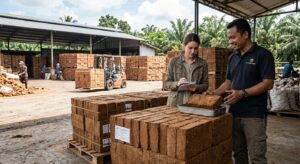
To verify quality, request product samples and lab test reports detailing fixed carbon, ash content, and moisture levels. Additionally, check for factory certifications (such as ISO), read customer reviews, and ideally, conduct a factory visit or hire a local third-party inspection agency.
Are there minimum order quantities (MOQ) when buying from Java?
Yes, most factories require a Minimum Order Quantity, which is typically one 20-foot shipping container (around 18-20 metric tons). However, some manufacturers may negotiate smaller trial orders for new buyers to test the market.