

Introduction to Sulawesi’s Organic Cocopeat Industry
As sustainable agriculture gains global momentum, the demand for eco-friendly growing mediums has skyrocketed. Among these, cocopeat—a byproduct of coconut processing—has emerged as a premier soil conditioner and hydroponic substrate. Finding a certified organic cocopeat supplier Sulawesi can be a game-changer for international agribusinesses seeking high-quality, sustainable materials. Sulawesi, one of Indonesia’s largest islands, boasts abundant coconut plantations and a growing reputation for producing superior cocopeat.
This comprehensive guide explores the advantages of sourcing organic cocopeat from Sulawesi, the certification processes involved, and how international buyers can navigate the Indonesian export market efficiently. Whether you are expanding your agricultural supply chain or exploring new sustainable products, understanding the nuances of Sulawesi’s cocopeat industry is essential.
Why Choose a Certified Organic Cocopeat Supplier in Sulawesi?
Sulawesi’s unique climate and volcanic soil contribute to the robust growth of coconut palms, resulting in high-quality coconut husks. When processed correctly, these husks yield premium cocopeat that is rich in natural nutrients and exhibits excellent water retention properties. Partnering with a certified organic cocopeat supplier Sulawesi ensures that the product is free from harmful chemicals and pathogens, making it ideal for sensitive agricultural applications.
The Importance of Organic Certification
Organic certification is crucial in the international market. It guarantees that the cocopeat has been processed using environmentally friendly methods, without the use of synthetic fertilizers or pesticides during the coconut palm’s growth cycle. Certified organic cocopeat is widely preferred in organic farming, horticulture, and commercial greenhouse operations. When looking for suppliers, it is important to verify their certifications to ensure compliance with international standards.
For businesses looking to diversify their product lines, exploring different manufacturing partnerships is vital. For instance, you might be interested in Finding Reliable White Label Manufacturers in Indonesia to package organic cocopeat under your own brand.
The Processing of Organic Cocopeat in Sulawesi
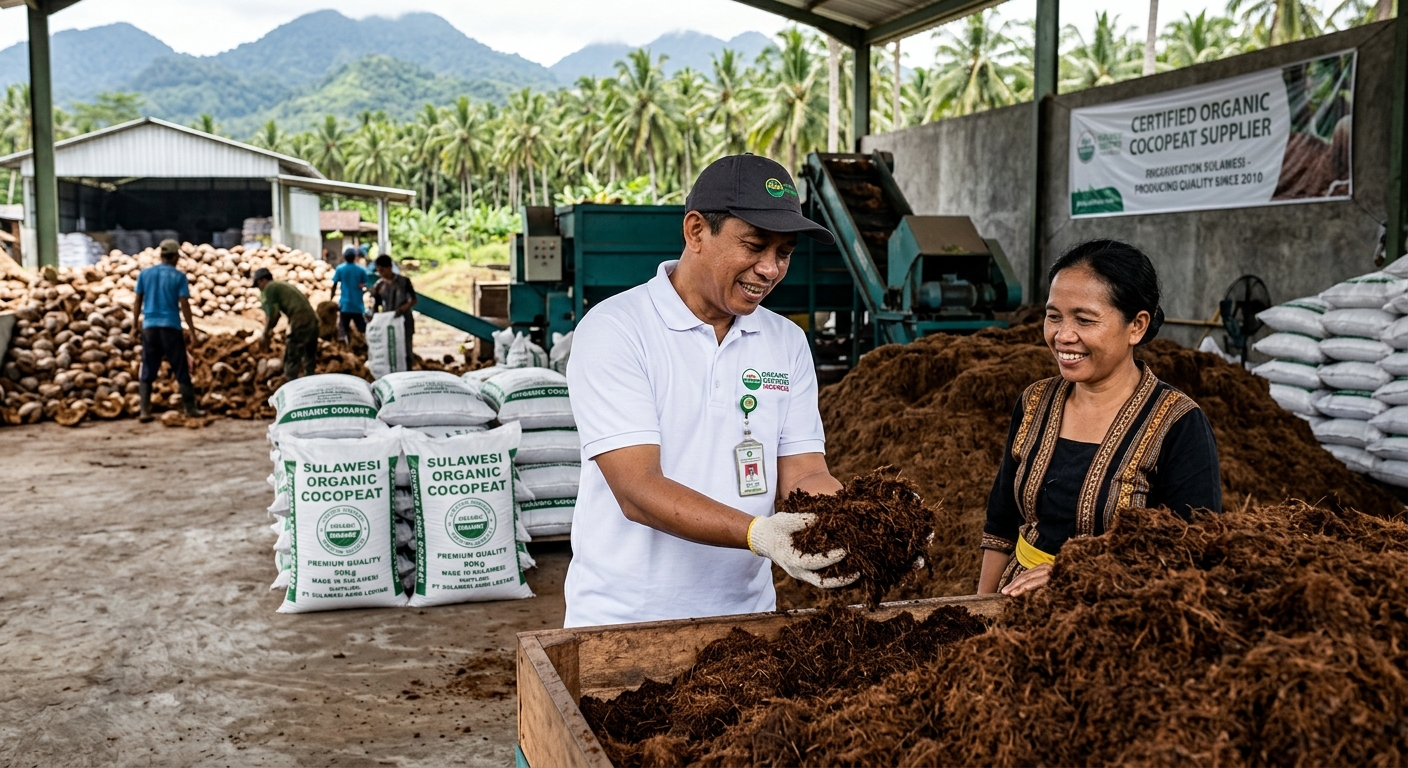
The journey from coconut husk to premium cocopeat involves several meticulous steps. A reliable certified organic cocopeat supplier Sulawesi will have strict quality control measures in place throughout the manufacturing process.
Harvesting and Husk Collection
The process begins with the careful harvesting of mature coconuts from organic plantations across Sulawesi. The husks are separated from the nut and collected for processing. Utilizing husks from certified organic farms is the first step in ensuring the final product meets organic standards.
Washing and Buffering
Raw cocopeat naturally contains high levels of sodium and potassium, which can be detrimental to plant growth if not properly managed. The husks are soaked in fresh water to reduce electrical conductivity (EC) levels. In premium processing, the cocopeat undergoes a buffering process, often using calcium nitrate, to balance the cation exchange capacity (CEC). This makes the cocopeat an ideal, stable growing medium.
Drying and Sieving
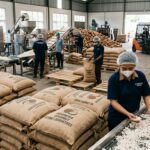
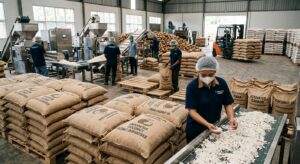
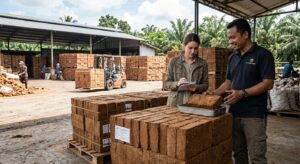
After washing, the cocopeat is dried under the sun or in controlled drying facilities to achieve an optimal moisture content. It is then sieved to remove long fibers and fine dust, resulting in a consistent texture. Buyers often specify their preferred particle size based on their specific agricultural needs.
Compression and Packaging
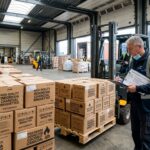
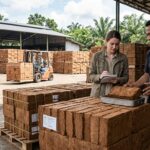
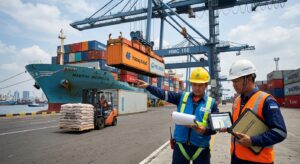
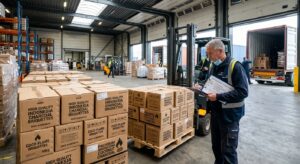
To facilitate efficient shipping, the dried and sieved cocopeat is compressed into blocks, briquettes, or grow bags. A certified supplier will ensure that packaging materials also align with sustainable practices. When navigating the export of these goods, utilizing an export business platform can streamline logistics and compliance.
Navigating the Indonesian Export Market
Sourcing agricultural products from Indonesia requires an understanding of the local trade landscape. While cocopeat is a primary focus, Indonesia is also a major exporter of other agricultural commodities. For those interested in broader agricultural sourcing, reading a Comprehensive Guide to Sourcing Crude Palm Oil from Indonesia can provide valuable insights into the country’s export dynamics.
Understanding Trade Regulations
Exporting cocopeat from Sulawesi involves complying with various Indonesian trade regulations and international phytosanitary standards. Buyers must ensure that their certified organic cocopeat supplier Sulawesi possesses the necessary export licenses and phytosanitary certificates proving the product is free from pests and diseases.
To successfully manage this process, it is highly recommended to consult the Comprehensive Guide to Indonesia Trade Regulations for Exporters. This resource provides critical information on customs procedures, documentation requirements, and export tariffs.
Quality Standards for Export-Grade Cocopeat
When evaluating a certified organic cocopeat supplier Sulawesi, buyers should look for specific quality parameters to ensure the product meets their expectations. Below is a table outlining typical specifications for export-grade organic cocopeat blocks:
| Parameter | Standard Specification |
|---|---|
| Electrical Conductivity (EC) | < 0.5 mS/cm (Washed) |
| pH Level | 5.5 – 6.8 |
| Moisture Content | 10% – 15% |
| Expansion Ratio | 1:5 (1 kg expands to 5 liters) |
| Compression Ratio | 5:1 |
| Impurities (Sand/Weed) | < 2% |
Conclusion
Partnering with a certified organic cocopeat supplier Sulawesi offers international buyers access to a sustainable, high-quality agricultural product. Sulawesi’s natural advantages, combined with rigorous organic processing standards, make it a premier destination for sourcing cocopeat. By understanding the processing methods, quality standards, and export regulations of Indonesia, businesses can establish fruitful, long-term supply chain partnerships that support sustainable agriculture worldwide.
Frequently Asked Questions
What makes Sulawesi cocopeat different from others?
Sulawesi cocopeat benefits from the island’s nutrient-rich volcanic soil and ideal climate, which produce robust coconut husks. When processed by certified organic suppliers, it results in a premium growing medium with excellent water retention and low salt content.
Why is organic certification important for cocopeat?
Organic certification ensures that the cocopeat is produced without synthetic chemicals, making it safe for use in organic farming, commercial greenhouses, and sensitive horticultural applications. It also guarantees environmentally friendly manufacturing practices.
How is cocopeat shipped internationally?
To reduce shipping costs and optimize container space, cocopeat is highly compressed into 5kg blocks, briquettes, or grow bags. Once it reaches the destination, water is added, and the cocopeat expands up to five times its compressed volume.
What documentation is required to import cocopeat from Indonesia?
Importers typically require a Commercial Invoice, Packing List, Bill of Lading, Certificate of Origin, and a Phytosanitary Certificate to prove the shipment is free of pests and diseases. Depending on the destination country, organic certification documents may also be necessary.