

Introduction to US-Indonesia Trade Relations
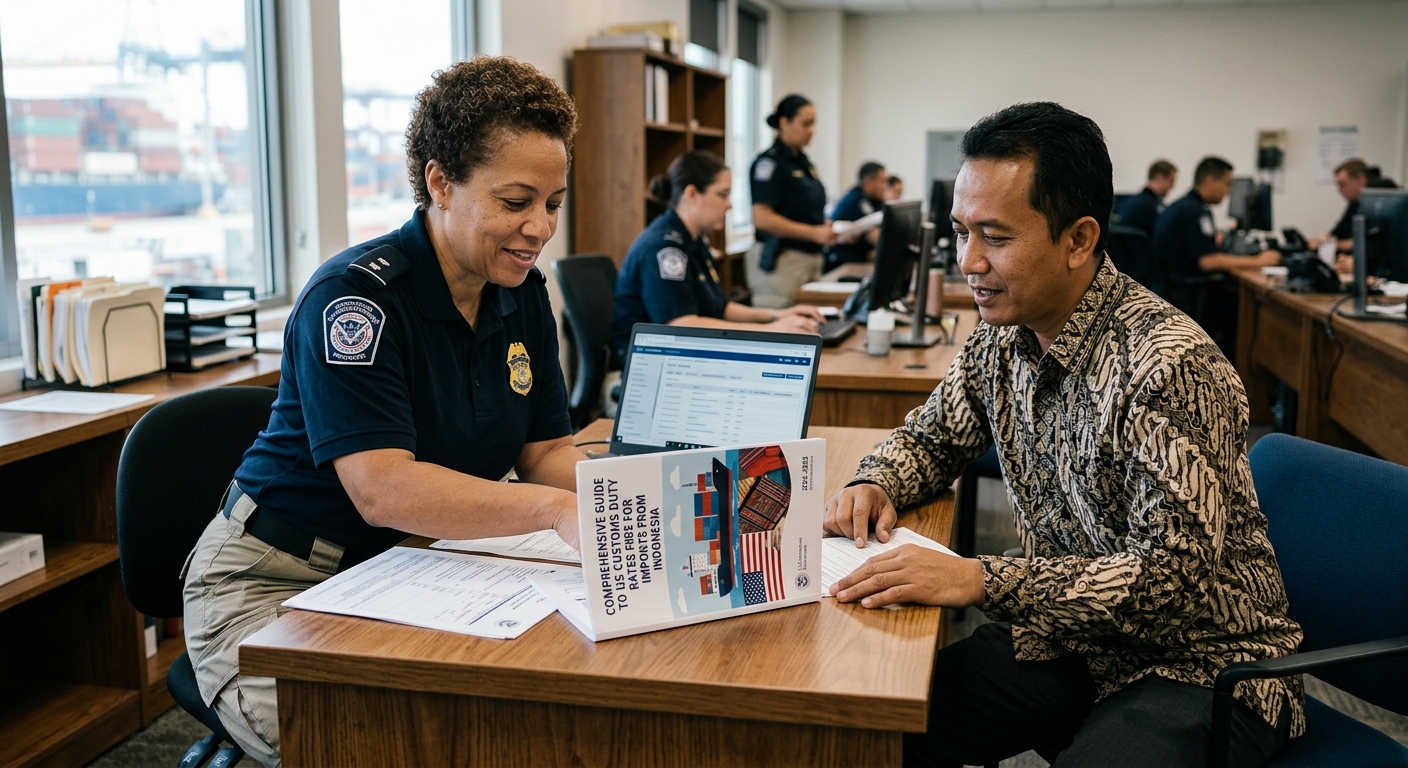
The trade relationship between the United States and Indonesia has flourished over the past decade, creating lucrative opportunities for importers and businesses. Indonesia is renowned for its rich natural resources, agricultural products, textiles, and manufactured goods. However, successfully importing these goods into the United States requires a deep understanding of customs regulations, particularly the assessment of US customs duty rates. This comprehensive guide explores the intricacies of importing from Indonesia, detailing how tariffs are calculated, the importance of accurate classification, and the necessary compliance steps to ensure a smooth supply chain.
Understanding the Harmonized Tariff Schedule (HTS)
When goods cross the US border, they are classified using the Harmonized Tariff Schedule of the United States (HTSUS). The HTS code determines the specific duty rate applicable to a product. Importers must assign a 10-digit code to every item they bring into the country. Misclassification can lead to severe penalties, delayed shipments, and overpayment or underpayment of duties. Because Indonesian exports are diverse—ranging from raw agricultural materials to finished furniture—finding the exact HTS code is the foundational step in calculating your import costs.
Duty Rates: General, Special, and Specific
The US Customs and Border Protection (CBP) enforces duty rates based on the HTSUS. There are generally two types of rates: ad valorem (a percentage of the item’s value) and specific (a fixed amount per unit of weight or volume). Many products from Indonesia benefit from Normal Trade Relations (NTR) status, which grants them the standard “General” rate of duty. It is critical to regularly check the HTSUS online portal, as tariffs and trade policies are subject to change based on international agreements and domestic legislation.
Key Indonesian Exports and Their Duty Considerations
Indonesia’s diverse economy means US buyers import a wide array of goods. Each category comes with its own set of regulatory requirements and duty structures. Below, we examine some of the most prominent sectors.
Agricultural and Horticultural Products
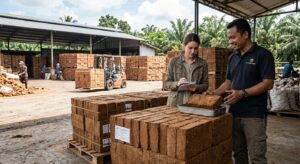
Agricultural products, such as spices, coffee, and growing mediums, are major exports from Indonesia. For instance, coconut-derived products are highly sought after by commercial agricultural operations in the US. If you are exploring this sector, understanding the logistics and compliance is crucial. We highly recommend reading about Partnering with a Cocopeat Growing Media Bulk Distributor for Commercial Agriculture to optimize your supply chain. Additionally, those looking to purchase these materials in large quantities should consult A Complete Guide to Bulk Buying Coco Peat Blocks from Indonesia to understand bulk pricing and US entry requirements. Generally, raw agricultural products like coco peat face relatively low duty rates, but they are strictly monitored by the USDA and APHIS for phytosanitary compliance.
Wood Products and Furniture
Indonesian teak and mahogany furniture are famous worldwide. However, importing timber and wood products into the US is heavily regulated to prevent illegal logging and protect domestic ecosystems. The Lacey Act requires importers to declare the scientific name, value, quantity, and country of origin of the timber. To ensure that your shipments meet both local Indonesian export laws and US import regulations, you must secure the proper documentation. Be sure to review the Indonesian Wood Products Export Certificate: The Ultimate Compliance Guide for detailed insights into legal wood sourcing and SVLK certification.
Additional Fees: MPF and HMF
In addition to standard customs duties, US importers must account for two mandatory user fees levied by CBP: the Merchandise Processing Fee (MPF) and the Harbor Maintenance Fee (HMF). The MPF is typically assessed at 0.3464% of the entered value of the goods, with a minimum and maximum cap that is adjusted annually for inflation. The HMF is assessed at 0.125% of the value of commercial cargo shipped through identified ports. These fees apply regardless of whether the goods are subject to standard tariffs, and they must be factored into your landed cost calculations to maintain accurate profit margins.
The Importance of Proper Customs Clearance
Successfully navigating the US customs process requires meticulous preparation before the goods even leave Indonesian shores. Export clearance in Indonesia is just as critical as import clearance in the United States. Engaging with knowledgeable freight forwarders and customs brokers ensures that all documentation, including commercial invoices, packing lists, and certificates of origin, are flawlessly prepared. For a deeper dive into the export side of the process, check out this Comprehensive Guide to Indonesia Export Custom Clearance Services. Bridging the gap between Indonesian export protocols and US CBP requirements is the key to preventing costly demurrage fees at the port.
Calculating Landed Costs
To run a profitable import business, calculating the total landed cost is essential. This figure encompasses the cost of the goods, overseas shipping, insurance, US customs duties, MPF, HMF, and any domestic transportation costs to your warehouse. A robust accounting practice should outline a table of expected costs per shipment.
| Cost Component | Description | Estimated Percentage of Total Value |
|---|---|---|
| Product Cost | The agreed commercial value of goods from the Indonesian supplier. | 70% – 80% |
| Freight & Insurance | Cost of ocean/air freight and marine insurance. | 10% – 15% |
| Customs Duties | Calculated based on the HTSUS classification. | 0% – 10% (varies) |
| MPF & HMF | CBP user fees for processing and harbor maintenance. | ~0.47% combined |
| Brokerage Fees | Fees paid to a licensed US customs broker. | Flat rate (varies) |
By diligently tracking these expenses, importers can set appropriate domestic pricing strategies and identify areas where supply chain efficiency can be improved.
Conclusion
Importing goods from Indonesia into the United States offers a wealth of opportunities for businesses willing to navigate the complexities of international trade. By understanding how to classify your goods under the HTSUS, accurately calculating customs duties and associated fees, and ensuring total compliance with both US and Indonesian regulations, you can build a resilient and profitable supply chain. Leveraging the right trade partners, staying updated on tariff changes, and ensuring all export and import documentation is pristine are the hallmarks of a successful international trade strategy.
Frequently Asked Questions (FAQ)
What is the standard duty rate for importing goods from Indonesia to the US?
There is no single standard duty rate. The rate depends entirely on the product’s classification under the Harmonized Tariff Schedule (HTS). Rates can range from duty-free (0%) to over 20% for heavily protected industries like certain textiles or specialized manufactured goods.
Are there any trade agreements between the US and Indonesia that eliminate tariffs?
Currently, the United States and Indonesia do not have a comprehensive Free Trade Agreement (FTA) that universally eliminates tariffs. However, some Indonesian goods may have historically qualified for the Generalized System of Preferences (GSP), which provides duty-free treatment for eligible products, though importers should verify the current legislative status of the GSP program.
What happens if I misclassify my Indonesian imports?
Misclassifying imports can lead to significant consequences, including shipment delays, seizure of goods by Customs and Border Protection (CBP), financial penalties, and retroactive bills for underpaid duties. It is highly recommended to work with a licensed US customs broker to ensure accurate classification.
Do I need a customs broker to import from Indonesia?
While the law does not strictly require an individual importer to use a customs broker, commercial imports involve complex regulatory requirements, bonding, and electronic filings (ACE). Hiring a licensed customs broker is highly recommended to ensure compliance, avoid costly delays, and accurately calculate duties and fees.