

Introduction to Semarang’s Logistics Landscape
Semarang, the capital of Central Java, has rapidly emerged as a pivotal hub for international trade and commerce in Indonesia. With its strategic location and continuous infrastructure development, the city serves as a critical gateway for both importing raw materials and exporting finished goods. At the heart of this bustling trade ecosystem are the freight forwarding services in Semarang, which streamline the complex processes of global logistics. These professionals act as vital intermediaries between shippers and transportation services, ensuring that cargo reaches its destination safely, efficiently, and cost-effectively.
As global supply chains become increasingly complex, the role of a proficient freight forwarder cannot be overstated. From navigating intricate customs regulations to managing multi-modal transportation, freight forwarders in Semarang provide end-to-end solutions tailored to the unique needs of diverse industries. Whether dealing with garments, furniture, or agricultural products, leveraging local expertise is essential for smooth international operations.
The Core Functions of Freight Forwarders in Semarang
Freight forwarding services in Semarang encompass a wide array of logistical tasks designed to relieve businesses of the burden of supply chain management. These services are highly integrated, offering a seamless transition of goods from the factory floor to the final consumer.
Sea and Air Freight Management
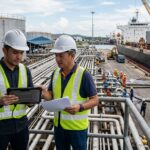
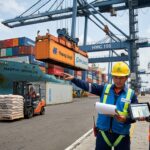
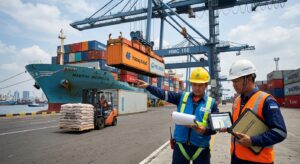
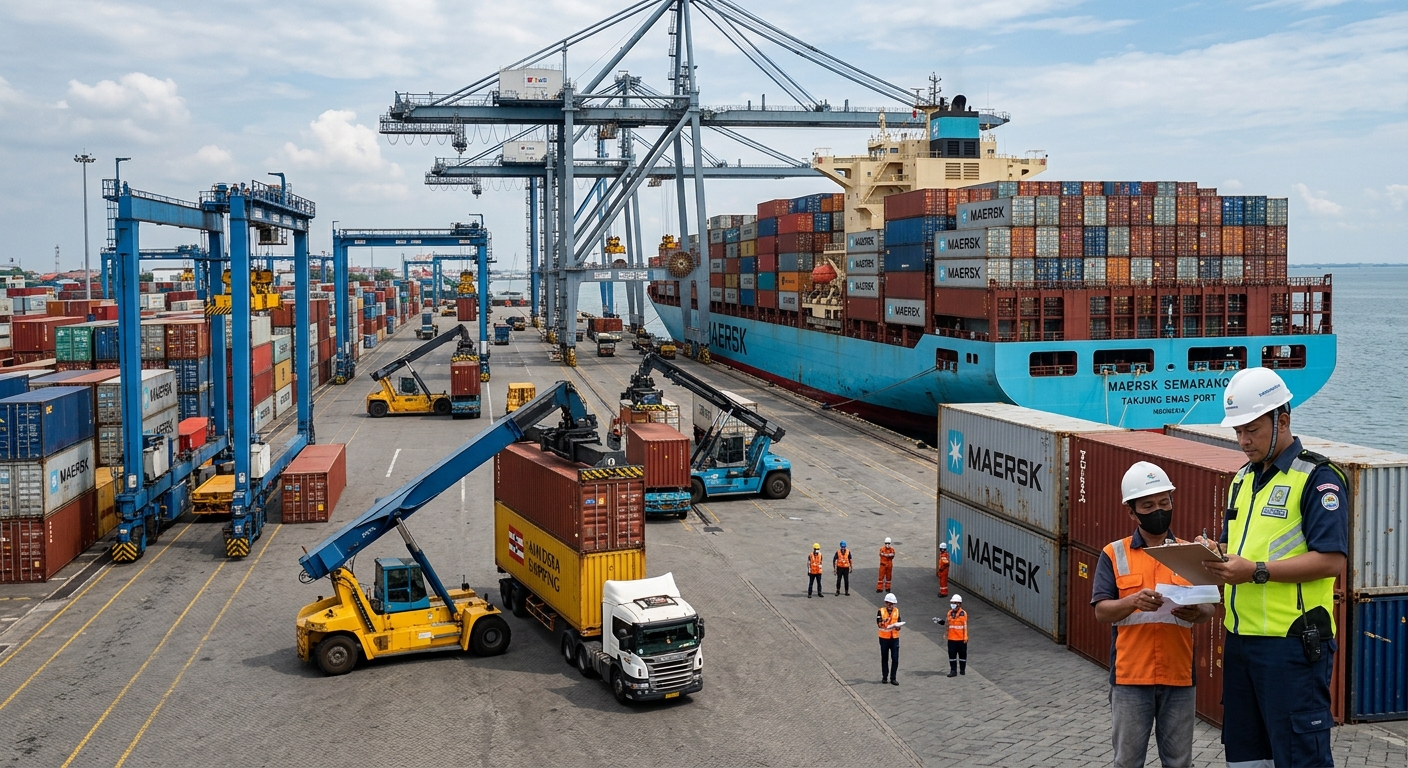
The primary function of any freight forwarder is the orchestration of cargo movement. In Semarang, sea freight is heavily reliant on the Tanjung Emas Port, a facility that has seen significant upgrades to handle large container volumes. Freight forwarders negotiate rates with shipping lines, consolidate cargo (LCL), or book full containers (FCL) to optimize costs for their clients. For time-sensitive shipments, air freight through Ahmad Yani International Airport offers a rapid, albeit more expensive, alternative. Forwarders assess the client’s needs to recommend the most appropriate mode of transport.
Customs Clearance and Compliance
Navigating Indonesian customs can be a daunting task for international traders. Freight forwarders in Semarang employ licensed customs brokers who are intimately familiar with the latest import and export regulations. They prepare and submit necessary documentation, such as the Bill of Lading, Commercial Invoice, and Packing List. Furthermore, they help clients understand international trade laws. For instance, when looking to expand into European markets, reading A Comprehensive Analysis of the Indonesia-Europe Trade Agreement can provide businesses with critical insights into tariff reductions and compliance standards that forwarders help enforce.
Warehousing and Distribution
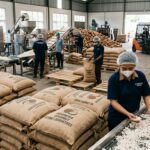
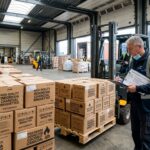
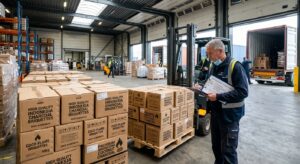
Beyond transportation, comprehensive freight forwarding services in Semarang include secure warehousing and efficient distribution. Many forwarders operate their own facilities or partner with local warehouses to offer storage, inventory management, and order fulfillment. This allows businesses to store goods strategically close to the port, reducing lead times and mitigating the risks associated with production delays or sudden fluctuations in market demand.
Sourcing and Logistics Integration in Central Java
Central Java is renowned for its manufacturing capabilities, producing everything from intricate wooden furniture to bulk agricultural commodities. Effective freight forwarding is tightly linked to the sourcing process. Buyers often work closely with local manufacturers, which requires a deep understanding of production timelines and order volumes. Before goods are even ready for pickup, businesses must negotiate terms with suppliers. In this context, Mastering the Art of Negotiating MOQ with Indonesian Factories is a crucial step in ensuring that the volume of goods aligns with the most cost-effective freight forwarding strategies, such as filling a 20-foot or 40-foot container.
Handling Specialized Cargo: Agricultural and Manufactured Goods
Semarang’s export portfolio is incredibly diverse, meaning freight forwarders must be adept at handling specialized cargo. Each product category comes with its own set of logistical challenges, packaging requirements, and safety regulations.
Exporting Charcoal and Briquettes
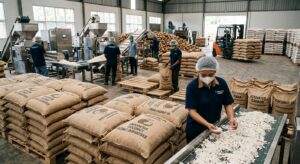
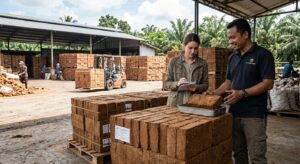
One of the region’s notable exports is coconut shell charcoal. This product requires stringent handling protocols due to its classification as a potentially hazardous material (spontaneously combustible) under international maritime regulations. Freight forwarders must ensure proper ventilation, specific container types, and rigorous documentation. For businesses involved in this sector, consulting Coconut Shell Charcoal Manufacturer Indonesia: The Ultimate Guide provides valuable context on product specifications, which in turn helps logistics providers prepare the correct shipping environment.
Furniture and Textile Exports
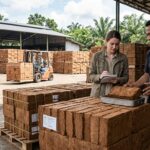
Semarang and its surrounding cities, such as Jepara, are globally famous for high-quality furniture. Transporting these items requires specialized packing to prevent damage during transit. Freight forwarders provide fumigation services, moisture control within containers, and careful stuffing techniques to maximize space utilization while protecting fragile items. To succeed in exporting these high-value goods, you need reliable export partners who can coordinate seamlessly between the factory and the port.
Comparing Transportation Modes in Semarang
Choosing the right transportation mode is a critical decision in global logistics. Below is a comparison of the primary freight options available through Semarang’s forwarding services.
| Logistics Factor | Sea Freight (Tanjung Emas) | Air Freight (Ahmad Yani) |
|---|---|---|
| Cost Efficiency | Highly cost-effective for large, bulky, and heavy cargo. | Premium pricing, calculated by weight and volume. |
| Transit Time | Slower (typically 15 to 45 days depending on the destination). | Fast (usually 2 to 7 days globally). |
| Ideal Cargo Type | Furniture, machinery, bulk agricultural products, charcoal. | Electronics, urgent samples, high-value small goods. |
| Environmental Impact | Lower carbon footprint per ton of cargo transported. | Higher carbon footprint per ton. |
Conclusion
Freight forwarding services in Semarang are the invisible engine powering Central Java’s robust international trade. By offering a comprehensive suite of services—from sea and air freight management to complex customs clearance and specialized cargo handling—these logistics experts enable businesses to navigate the complexities of global supply chains with confidence. Whether you are exporting intricate furniture, bulk agricultural commodities, or exploring new markets under bilateral trade agreements, partnering with a knowledgeable local freight forwarder is paramount to ensuring your cargo arrives safely, on time, and within budget. As Semarang’s infrastructure continues to modernize, the capabilities of its logistics sector will only expand, offering even greater opportunities for global traders.
Frequently Asked Questions (FAQ)
What is the main port used by freight forwarders in Semarang?
The primary seaport handling international freight in Semarang is Tanjung Emas Port. It is equipped to handle substantial container traffic, bulk cargo, and passenger vessels, serving as the main maritime gateway for Central Java.
Can freight forwarders in Semarang handle door-to-door delivery?
Yes, many professional freight forwarding services in Semarang offer comprehensive door-to-door logistics. This includes picking up the goods from the manufacturer’s facility, handling all export and import customs clearance, and delivering the cargo directly to the buyer’s specified address overseas.
Why is customs clearance expertise important in Indonesia?
Indonesian customs regulations can be complex and frequently updated. A freight forwarder with strong customs clearance expertise ensures that all documentation is accurate, duties are correctly calculated, and shipments comply with local laws, thereby avoiding costly delays, fines, or cargo confiscation at the port.