

Introduction to Southeast Asian Commodity Sourcing
Southeast Asia has emerged as a powerhouse in the global supply chain, offering an abundance of natural resources, a skilled workforce, and increasingly sophisticated manufacturing capabilities. For global businesses, sourcing commodities from this region presents a strategic advantage, balancing cost-effectiveness with high-quality outputs. From agricultural products to manufactured goods, the diversity of offerings makes nations like Indonesia, Vietnam, Thailand, and Malaysia highly attractive to international buyers.
As supply chain diversification becomes a priority for companies looking to mitigate risks associated with over-reliance on a single market, Southeast Asia stands out as a resilient and dynamic alternative. Understanding the intricacies of sourcing from this region requires insight into local regulations, logistical infrastructure, and cultural nuances.
Key Commodities Sourced from Southeast Asia
The region is rich in a variety of commodities, primarily agricultural, forestry, and mineral products. Indonesia, for example, is a top exporter of agricultural derivatives.
Agricultural and Biomass Products
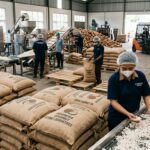
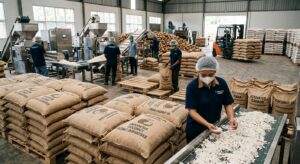
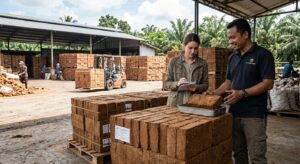
Southeast Asia is a major player in the biomass and agricultural sector. For instance, businesses looking to enhance their agricultural practices often seek sustainable growing mediums. You can learn more about this by reading The Ultimate Guide to Bulk Buy Coco Peat Pellets for Your Agricultural Needs.
Additionally, the region is renowned for its high-quality charcoal products, which are in high demand globally for both industrial and culinary applications. For detailed insights, explore A Complete Guide to Export Quality Coconut Shell Charcoal.
Strategic Advantages of Sourcing in the Region
Sourcing from Southeast Asia offers several competitive advantages. The region boasts competitive labor costs, growing domestic markets, and government incentives aimed at boosting foreign direct investment. Furthermore, the Association of Southeast Asian Nations (ASEAN) facilitates smoother intra-regional trade and presents a united front in global trade negotiations.
International trade agreements play a crucial role in lowering tariffs and easing customs procedures. For a deeper understanding of how these agreements impact trade, review A Comprehensive Analysis of the Indonesia-Europe Trade Agreement, which highlights significant shifts in regulatory frameworks beneficial to European importers.
Logistics and Supply Chain Management
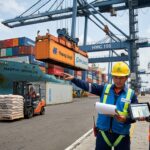
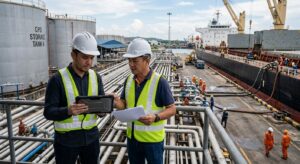
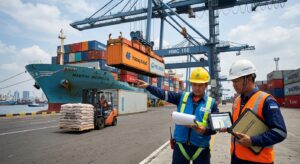
Effective logistics management is vital when sourcing commodities from Southeast Asia. While the region has seen massive investments in port infrastructure and road networks, navigating the logistical landscape still requires expertise. Partnering with reliable freight forwarders ensures that goods move efficiently from the factory floor to the final destination.
For those shipping out of one of the region’s busiest hubs, understanding the container shipping process is essential. We recommend reading the Comprehensive Guide to Freight Forwarding Containers from Jakarta to optimize your shipping strategies and avoid common logistical pitfalls.
The following table compares key attributes of major sourcing hubs in Southeast Asia to help you evaluate which market best fits your commodity needs:
| Sourcing Hub | Primary Commodities | Infrastructure Rating (1-10) | Major Export Ports |
|---|---|---|---|
| Indonesia | Coal, Palm Oil, Biomass, Rubber | 7 | Tanjung Priok, Tanjung Perak |
| Vietnam | Coffee, Rice, Electronics, Textiles | 8 | Cat Lai, Hai Phong |
| Thailand | Automotive parts, Rice, Rubber | 9 | Laem Chabang, Bangkok |
| Malaysia | Palm Oil, Electronics, Petroleum | 9 | Port Klang, Tanjung Pelepas |
Overcoming Sourcing Challenges
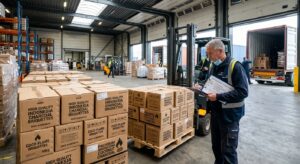
While the benefits are substantial, businesses must navigate challenges such as regulatory inconsistencies, varying quality standards, and language barriers. Conducting thorough due diligence, implementing stringent quality control measures, and building strong relationships with local suppliers are critical steps to mitigating these risks. Employing local sourcing agents or establishing a regional procurement office can greatly enhance operational efficiency and supplier communication.
Conclusion
Sourcing commodities from Southeast Asia offers a wealth of opportunities for global businesses seeking to optimize their supply chains, reduce costs, and access high-quality products. By leveraging regional strengths, understanding the logistical frameworks, and capitalizing on favorable trade agreements, companies can build resilient and profitable sourcing strategies. As the region continues to develop its infrastructure and regulatory environment, its role as a central hub for global commerce will only grow stronger.
Frequently Asked Questions (FAQ)
What are the top commodities sourced from Southeast Asia?
The top commodities include agricultural products like palm oil, rubber, and coffee, biomass products such as coco peat and coconut shell charcoal, as well as minerals, electronics, and textiles.
How do trade agreements benefit importers sourcing from this region?
Trade agreements, such as those between ASEAN and other global markets, typically lower import tariffs, simplify customs procedures, and provide a more stable and predictable regulatory environment for international businesses.
What are the main logistical challenges when shipping from Southeast Asia?
Common challenges include port congestion during peak seasons, varying levels of domestic infrastructure quality, and navigating complex local customs regulations. Partnering with experienced local freight forwarders is highly recommended to overcome these hurdles.
Why is Indonesia a key market for biomass products?
Indonesia has a vast agricultural sector that produces large quantities of coconut and palm by-products. This abundance of raw materials makes it an ideal and cost-effective market for sourcing high-quality biomass items like charcoal and growing mediums.