

Introduction to Freight Forwarding in Jakarta
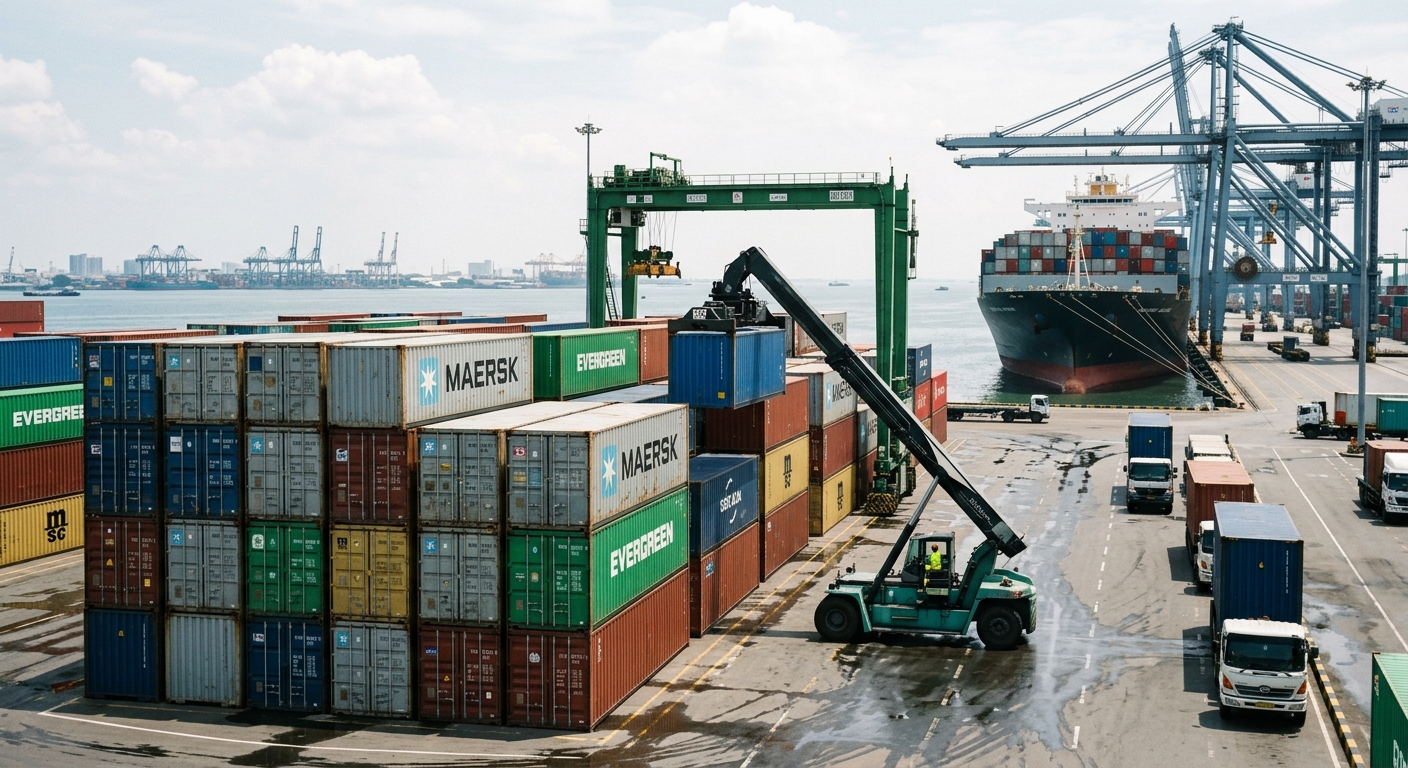
Jakarta is not just the capital of Indonesia; it is the beating heart of the nation’s international trade and commerce. As one of Southeast Asia’s fastest-growing economies, Indonesia relies heavily on efficient logistics to move goods across borders. The Port of Tanjung Priok in Jakarta is the busiest and most advanced Indonesian seaport, handling more than 50% of Indonesia’s trans-shipment cargo traffic. This makes freight forwarding from Jakarta an essential service for businesses worldwide looking to import goods ranging from textiles and furniture to agricultural products.
Understanding the intricacies of container shipping is crucial for optimizing your supply chain. In this guide, we will explore the essential aspects of moving a freight forwarding container from Jakarta, including the types of services available, customs regulations, and how to choose the right logistics partner.
The Strategic Importance of Jakarta in Global Trade
Jakarta serves as a critical node in the global supply chain. Its strategic location allows for streamlined maritime routes connecting Asia with Europe, the Americas, and Oceania. When dealing with international logistics, utilizing a reliable freight forwarder in Jakarta ensures that your cargo navigates the complex web of port operations, customs clearance, and inland transportation seamlessly.
For a deeper dive into maritime logistics in the region, you can review A Complete Guide to Sea Freight Container Shipping in Jakarta, which offers valuable insights into the operational capacities of Tanjung Priok and best practices for sea freight.
Types of Container Shipping Services
When shipping from Jakarta, businesses generally choose between two primary container services: Full Container Load (FCL) and Less than Container Load (LCL). Your choice will depend on the volume of goods, budget, and time constraints.
Full Container Load (FCL)
FCL is the ideal choice when your cargo volume is large enough to fill an entire 20-foot or 40-foot container. This method offers exclusive use of the container, reducing the risk of damage and contamination since the container remains sealed from the port of origin in Jakarta to the final destination.
Less than Container Load (LCL)
LCL is suitable for smaller shipments that do not require a full container. In an LCL arrangement, your goods are consolidated with cargo from other shippers. While this is more cost-effective for smaller volumes, it can involve longer transit times due to the consolidation and deconsolidation processes at the ports.
Below is a comparison of FCL and LCL container shipping options from Jakarta to help you decide which service best fits your logistics needs:
| Shipping Method | Volume Suitability | Transit Time Speed | Risk of Damage | Cost Efficiency |
|---|---|---|---|---|
| Full Container Load (FCL) | Large (Over 15 CBM) | Faster | Lower | High for large volumes |
| Less than Container Load (LCL) | Small (Under 15 CBM) | Slower | Higher | High for small volumes |
Navigating Customs and Regulations in Indonesia
Exporting goods from Jakarta requires strict adherence to Indonesian customs regulations. The Directorate General of Customs and Excise oversees all export and import activities. To avoid costly delays, your freight forwarder must prepare accurate documentation, including the Commercial Invoice, Packing List, Bill of Lading, and the required Export Declaration (PEB).
Furthermore, specialized products require specific certifications. For instance, if you are exporting food or cosmetics, you might need to consult a Comprehensive Guide to Halal Certified Private Label Manufacturers to ensure compliance with halal requirements, which are stringently regulated in Indonesia and highly valued in global markets.
Choosing the Right Freight Forwarder in Jakarta
A competent freight forwarder acts as your logistics architect. They negotiate freight rates, arrange cargo insurance, track inland transportation, and handle customs clearance. When selecting a forwarder in Jakarta, consider their industry experience, global network, and expertise in handling your specific type of cargo.
It is also beneficial to understand how logistics operate in other major Indonesian ports. For example, comparing services can be useful; you might want to read The Comprehensive Guide to Freight Forwarding Services in Semarang to understand the broader logistics landscape in Java.
Specialized Cargo Shipping
Not all cargo is created equal. Jakarta exports a vast array of goods, some of which require specialized handling, such as temperature-controlled reefer containers for perishables or flat rack containers for oversized machinery. Additionally, agricultural exports are a significant part of Indonesia’s trade. For businesses involved in the agriculture sector, securing the right export strategy is vital. To learn more about exporting specialized agricultural products, check out The Ultimate Guide to Finding an Organic Cocopeat Growing Media Exporter.
Conclusion
Managing a freight forwarding container from Jakarta involves strategic planning, a deep understanding of maritime logistics, and compliance with local customs regulations. By choosing the right shipping method—whether FCL or LCL—and partnering with an experienced freight forwarder, businesses can optimize their supply chains, reduce costs, and ensure that their goods arrive safely and on time at their international destinations. Jakarta’s robust port infrastructure and strategic location will continue to make it a vital hub in global trade for years to come.
Frequently Asked Questions (FAQ)
What is the main port used for freight forwarding in Jakarta?
The primary port for international shipping in Jakarta is the Port of Tanjung Priok, which is the largest and busiest seaport in Indonesia, handling the majority of the country’s international cargo.
How long does it take to clear customs for exports in Jakarta?
If all documentation is accurate and complete, export customs clearance in Jakarta typically takes 1 to 2 business days. However, missing documents or physical inspections can cause delays.
Should I choose FCL or LCL for my shipment from Jakarta?
You should choose FCL if you have enough cargo to fill a 20-foot or 40-foot container (generally over 15 cubic meters) or if you want a faster, more secure transit. LCL is better suited for smaller shipments where you only pay for the space you use.
What documents are required to export a container from Jakarta?
Standard required documents include a Commercial Invoice, Packing List, Bill of Lading (B/L), Export Declaration (PEB), and depending on the goods, a Certificate of Origin or specific product licenses.