

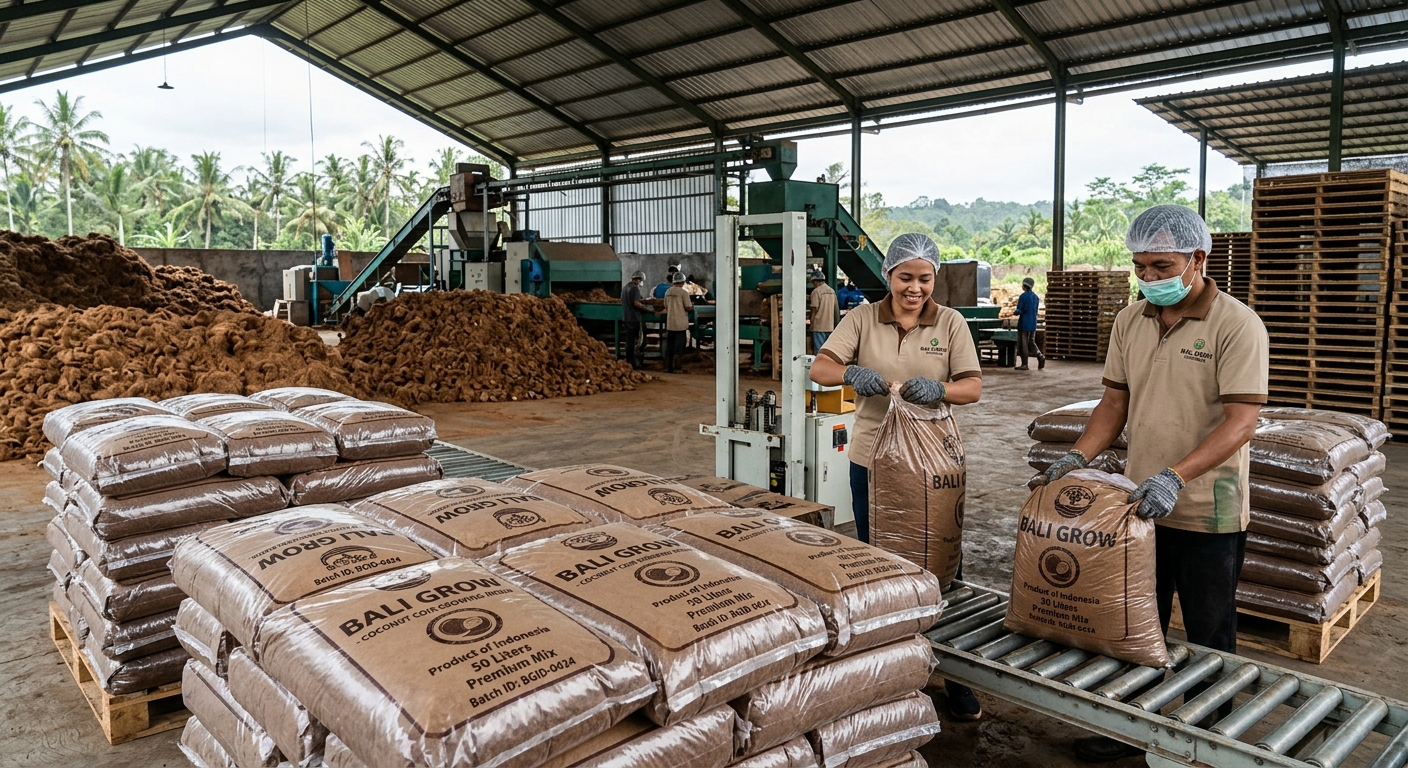
Introduction to Private Label Growing Media in Indonesia
The global demand for high-quality, sustainable agricultural and horticultural products has been rising steadily. Among these products, growing media stands out as a critical component for modern farming, hydroponics, and greenhouse operations. Indonesia, rich in natural resources and agricultural expertise, has become a premier destination for sourcing private label growing media. Partnering with an Indonesian manufacturing company offers businesses a unique opportunity to provide premium, sustainable substrates under their own brand name.
Private labeling allows brands to bypass the complex manufacturing process while still offering superior products tailored to their customers’ needs. In Indonesia, raw materials like coconut coir (cocopeat) are abundant, making it a highly competitive market for producing growing media. For businesses looking to scale operations, understanding the nuances of the Indonesian market is essential.
The Rise of Sustainable Growing Substrates
In recent years, the shift toward sustainable agriculture has accelerated. Traditional soil-based growing methods are increasingly being supplemented or replaced by soil-less substrates. These alternatives provide better aeration, water retention, and disease resistance. Among the various options, cocopeat has emerged as a frontrunner due to its renewable nature and excellent physical properties.
Indonesia is one of the world’s leading producers of coconuts, providing an immense supply of raw husks. These husks are processed into various forms of growing media, including pith, fibers, and chips. By leveraging private label manufacturing, international brands can tap into this sustainable resource, offering eco-friendly solutions to commercial growers and hobbyists alike. For more detailed insights on sourcing these materials, you can read A Complete Guide to Wholesale Cocopeat Growing Media from Indonesia.
Benefits of Private Labeling in Indonesia
Opting for a private label strategy when sourcing growing media from Indonesia presents several distinct advantages for your business.
- Cost-Effectiveness: Manufacturing in Indonesia benefits from lower operational and labor costs compared to Western countries, allowing for highly competitive pricing.
- Quality Control: Reputable Indonesian manufacturers adhere to strict quality standards, ensuring consistency in pH levels, electrical conductivity (EC), and moisture content.
- Customization: Private labeling allows brands to specify exact blends, adding nutrients or combining different substrate types (e.g., coco chips and pith) to meet specific crop requirements.
- Focus on Marketing: By outsourcing production, your company can dedicate resources entirely to branding, sales, and customer relationships.
Types of Growing Media Available for Private Labeling
Indonesian manufacturers offer a variety of growing media suitable for different agricultural applications. Understanding these options will help you select the right products for your brand.
1. Cocopeat (Coco Pith)
Cocopeat is the spongy, granular material extracted from coconut husks. It is renowned for its exceptional water retention capacity, holding up to 10 times its weight in water. This makes it ideal for seed starting, potting mixes, and hydroponic farming. It is typically compressed into blocks or briquettes for efficient shipping.
2. Coco Chips
Coco chips are small chunks of coconut husk. They provide excellent aeration and drainage, preventing root rot in plants like orchids and anthuriums. They can be used on their own or mixed with cocopeat to create a balanced growing medium.
3. Coco Fiber
Coco fiber consists of the stringy strands found in the coconut husk. It is often used to improve the structural integrity of potting soils and for manufacturing products like hanging basket liners and erosion control mats.
The following table compares the primary types of coconut-based growing media available from Indonesian manufacturers based on key properties:
| Media Type | Water Retention | Aeration Capability | Primary Application |
|---|---|---|---|
| Cocopeat (Pith) | High | Moderate | Seed starting, general hydroponics |
| Coco Chips | Moderate | High | Orchids, structural soil mix |
| Coco Fiber | Low | High | Soil amendment, basket liners |
The Manufacturing and Quality Assurance Process
Creating high-quality growing media is a meticulous process. It begins with the aging of coconut husks, which helps to stabilize the material and reduce naturally occurring salts. Once aged, the husks are milled to separate the pith, chips, and fiber.
A crucial step in the manufacturing process is washing and buffering. Raw cocopeat can have high levels of sodium and potassium, which can be detrimental to plant growth. Premium Indonesian manufacturers wash the material extensively with fresh water and often buffer it with calcium nitrate to displace unwanted salts. This ensures a low electrical conductivity (EC) and an optimal pH level, typically between 5.5 and 6.5.
After processing, the media is dried to a specific moisture content and compressed into various shapes, such as 5kg blocks, grow bags, or disks. During the packaging phase, your private label branding is applied. The ability to customize packaging is a significant benefit, much like the customization options found in other Indonesian export sectors. For instance, you can learn more by reading A Complete Guide to Custom Order Charcoal Briquettes Manufacturers.
Logistics and Exporting from Indonesia
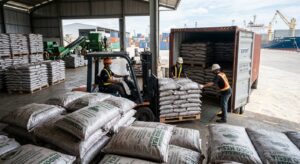
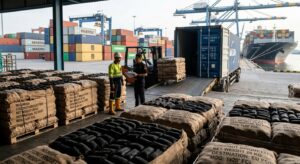
Importing growing media from Indonesia requires a clear understanding of international logistics. Because growing media is typically compressed, it is highly efficient to ship via sea freight in standard 20-foot or 40-foot containers.
Documentation is critical. Phytosanitary certificates are mandatory for agricultural products to prove they are free from pests and diseases. A reliable Indonesian manufacturer will handle this documentation, along with certificates of origin and fumigation certificates, ensuring a smooth customs clearance process in your destination country. Proper logistics management is vital across all export industries in the region, a concept similarly explored in the Comprehensive Guide to Shisha Charcoal Private Label Manufacturing in Indonesia.
Conclusion
Sourcing private label growing media from Indonesia is a strategic move for brands looking to offer premium, sustainable agricultural products. With abundant raw materials, skilled manufacturing, and strict quality control processes, Indonesia stands as a top-tier supplier. By understanding the types of media available, the manufacturing standards required, and the logistics involved, you can successfully build and expand your brand’s product line with confidence.
Frequently Asked Questions (FAQ)
What is the minimum order quantity (MOQ) for private label growing media?
MOQs vary by manufacturer but typically start at one 20-foot shipping container to ensure cost-effective production and shipping.
Can I customize the blend of the growing media?
Yes, most private label manufacturers in Indonesia allow you to customize the ratio of cocopeat, coco chips, and coco fiber to suit specific crop requirements.
Is Indonesian cocopeat washed and buffered?
Reputable manufacturers offer both washed (low EC) and unwashed (high EC) cocopeat. Buffered cocopeat is also widely available for premium agricultural applications. Always specify your EC and pH requirements when ordering.
How long does the production and shipping process take?
Production generally takes 2 to 4 weeks depending on order size and custom requirements. Shipping times vary by destination but typically range from 3 to 6 weeks via sea freight.