

Introduction to Southeast Asian Charcoal Markets
For businesses involved in the hospitality sector, retail barbecue supplies, or food distribution, finding a reliable supply of high-quality charcoal is a critical operational requirement. Sourcing BBQ charcoal from Southeast Asia has become the gold standard for global buyers seeking premium quality, sustainable materials, and competitive pricing. The region, particularly nations like Indonesia, Vietnam, and Thailand, boasts an abundance of natural resources ideal for charcoal production, including vast agricultural byproducts like coconut shells and sustainably managed hardwood forests. This comprehensive guide will explore the nuances of identifying the right products, vetting suppliers, managing international logistics, and ensuring that your imports meet strict quality and environmental standards.
Understanding the Types of Charcoal Available
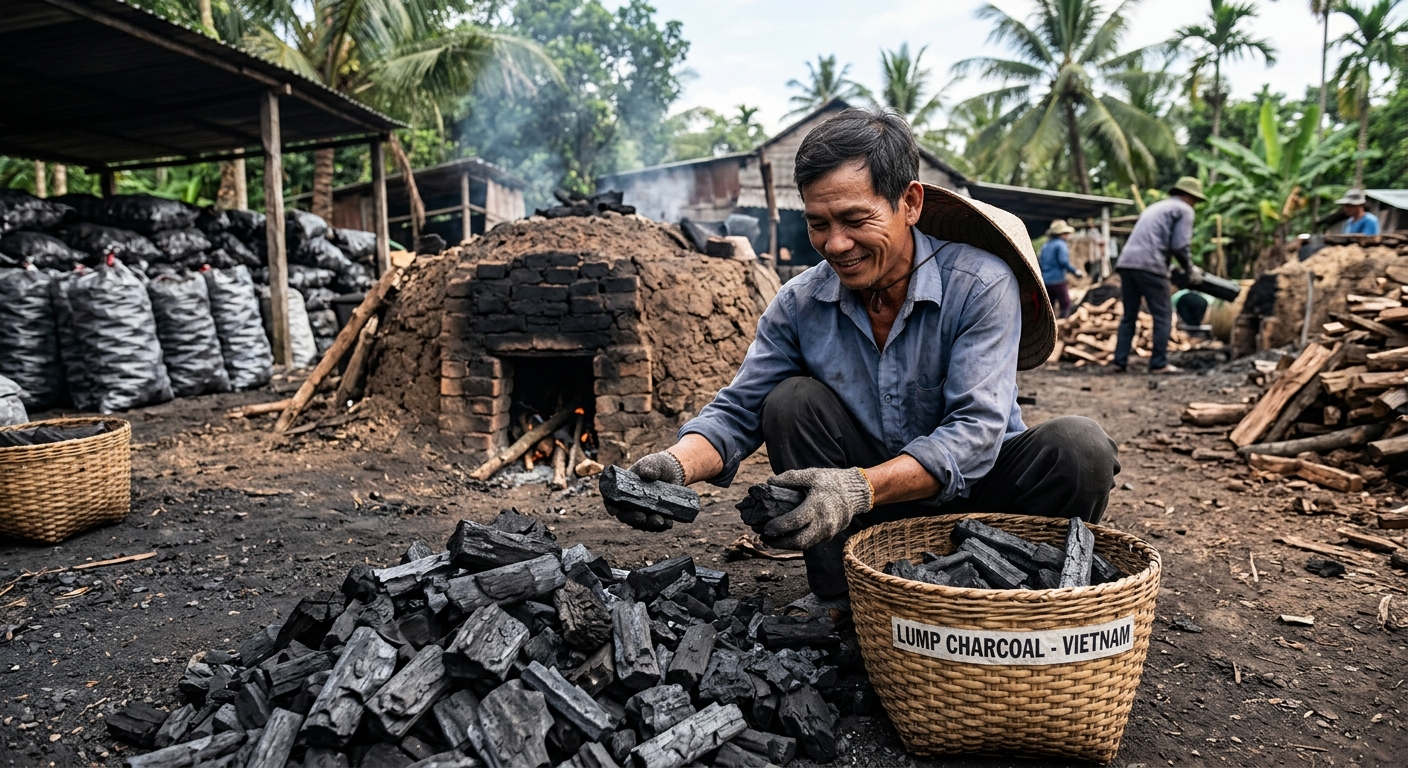
Southeast Asia is renowned for producing two primary categories of BBQ charcoal: traditional hardwood lump charcoal and extruded briquettes made from biomass. Hardwood lump charcoal is prized by culinary professionals for its natural aroma, quick lighting capabilities, and high heat output. It is often produced from woods like mangrove, tamarind, or rubberwood. Conversely, briquettes are highly valued for their uniform shape, consistent burn rate, and remarkably low ash production.
Coconut shell charcoal briquettes, predominantly sourced from Indonesia and the Philippines, have seen a massive surge in global demand. These briquettes burn hotter and longer than standard wood charcoal and emit virtually no smoke. If you are looking to build your own brand in this lucrative niche, you can explore the White Label Charcoal Briquettes in Indonesia: A Complete Guide to understand the manufacturing processes, minimum order quantities, and custom packaging options available to international buyers.
To assist in your procurement strategy, the following table compares the two primary types of BBQ charcoal sourced from the region based on key performance attributes.
| Charcoal Type | Primary Raw Material | Average Burn Time | Heat Output (Calorific Value) | Ash Content |
|---|---|---|---|---|
| Hardwood Lump | Tamarind, Halaban, Mangrove | 2 to 3 hours | 6,500 – 7,000 kcal/kg | 3% to 5% |
| Coconut Briquettes | Carbonized Coconut Shells | 4 to 6 hours | 7,200 – 7,500 kcal/kg | 1.5% to 2.5% |
Vetting and Selecting Reliable Suppliers
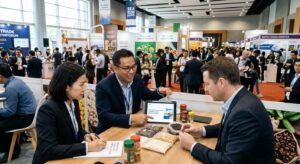
The success of your importing venture hinges entirely on the reliability and integrity of your suppliers. While the market is flooded with manufacturers, not all possess the necessary export licenses, production capacity, or quality control mechanisms required for international trade. Begin your search by attending regional trade shows, utilizing verified B2B directories, and working with local sourcing agents who have boots on the ground. It is essential to request company profiles, business registration documents, and evidence of previous export shipments.
When communicating with potential factories, inquire about their carbonization processes, moisture content control, and sizing procedures. A reputable factory should be able to provide laboratory test reports detailing fixed carbon percentage, volatile matter, moisture, and ash content. To ensure seamless communication and reliable top export partners, many buyers opt to collaborate with established trade facilitators who understand both local manufacturing constraints and international buyer expectations.
Navigating Customs, Tariffs, and Regulations
Importing agricultural and biomass products like charcoal involves strict regulatory compliance to prevent the introduction of pests and to ensure environmental sustainability. Depending on your destination country, you may need phytosanitary certificates, Certificates of Origin (Form A, Form D, etc.), and fumigation certificates. Additionally, charcoal is often classified as a potentially hazardous material (spontaneously combustible) under maritime shipping regulations, requiring specific safety certifications like the Self-Heating Test (SHT) certificate.
Understanding the tariff structures of both the exporting and importing nations is crucial for accurate landed cost calculations. Certain free trade agreements may reduce or eliminate import duties on biomass fuels. For a deep dive into the regulatory landscape of the region’s largest exporter, review the Comprehensive Guide to Customs and Tariffs Importing from Indonesia. This resource outlines the essential documentation required to clear customs smoothly and avoid costly demurrage fees.
Logistics, Shipping, and Freight Management
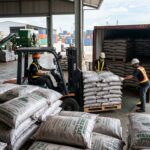
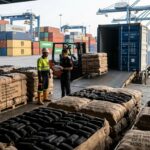
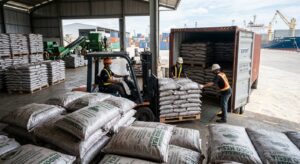
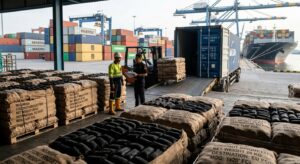
Once your cargo is produced and packaged, the next major hurdle is international freight. Charcoal is typically shipped in 20-foot or 40-foot standard shipping containers. However, due to its classification under the IMDG Code (International Maritime Dangerous Goods) as Class 4.2, many shipping lines require a Vanning Certificate and a Material Safety Data Sheet (MSDS) before accepting the booking. Some carriers are hesitant to transport charcoal, which can limit your options and drive up freight costs.
Working with a freight forwarder who specializes in dangerous goods and biomass commodities is highly recommended. They can negotiate better rates with shipping lines that are accustomed to handling charcoal. Freight rates fluctuate based on seasonality, fuel surcharges, and global supply chain dynamics. To budget accurately for your shipments, consult the Comprehensive Guide to Sea Freight Shipping Rates from Indonesia, which provides current insights into container costs, transit times, and port handling charges.
Quality Assurance and Sustainability
As consumer awareness regarding environmental degradation grows, sourcing sustainable charcoal is no longer optional—it is a business imperative. Western markets increasingly demand products that do not contribute to deforestation. Ensure that your suppliers source raw materials from legal, sustainable sources. For hardwood lump charcoal, look for Forest Stewardship Council (FSC) certification. For coconut briquettes, the sustainability aspect is inherently stronger, as it utilizes agricultural waste that would otherwise be discarded or burned in open air.
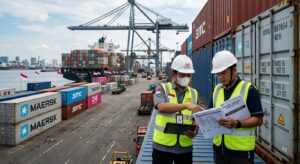
Implementing strict quality assurance protocols before the cargo leaves the port is vital. Hire independent third-party inspection agencies, such as SGS or Intertek, to perform pre-shipment inspections. They will verify the weight, packaging integrity, and conduct random sampling to ensure the charcoal meets your specified criteria for moisture and carbon content. Do not rely solely on the factory’s internal quality reports.
Conclusion
Sourcing BBQ charcoal from Southeast Asia presents a highly profitable opportunity for global buyers seeking premium, long-lasting, and sustainably produced fuel. By understanding the distinct differences between hardwood lump and coconut shell briquettes, rigorously vetting suppliers, and mastering the complex logistics of international shipping, importers can build a resilient supply chain. While the regulatory and freight challenges of handling combustible materials require diligence, the reward of delivering top-tier charcoal to a hungry consumer market makes the endeavor well worth the effort. Always prioritize sustainability, build strong relationships with your manufacturers, and stay informed on global shipping and tariff trends to maintain a competitive edge.
Frequently Asked Questions
What makes Southeast Asian charcoal better than locally produced options?
Southeast Asia offers unique raw materials, such as extremely dense tropical hardwoods and high-quality coconut shells, which produce charcoal with superior heat output, longer burn times, and lower ash content compared to many softer woods found in other regions.
Is charcoal considered a dangerous good for shipping?
Yes, under international maritime regulations, charcoal is often classified as a Class 4.2 dangerous good (substance liable to spontaneous combustion). This requires special testing, such as a Self-Heating Test, and specific documentation like an MSDS to secure space on a container ship.
What is the minimum order quantity (MOQ) for importing charcoal?
Most reputable manufacturers in Southeast Asia require a minimum order of one 20-foot shipping container. This typically equates to roughly 17 to 18 metric tons of coconut briquettes or 12 to 15 metric tons of hardwood lump charcoal, depending on the packaging.
How can I verify that my charcoal is sustainably sourced?
To ensure sustainability, request certifications such as FSC (Forest Stewardship Council) for wood-based charcoal, or verify that the supplier uses 100% agricultural byproducts (like coconut shells). Third-party audits and supply chain transparency reports are also valuable tools for verification.