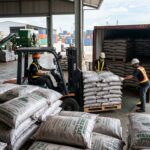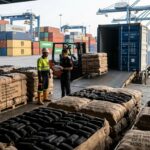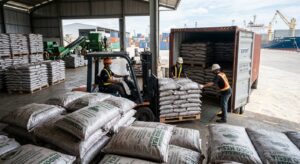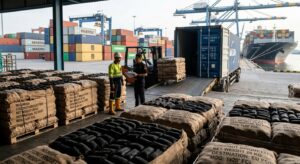


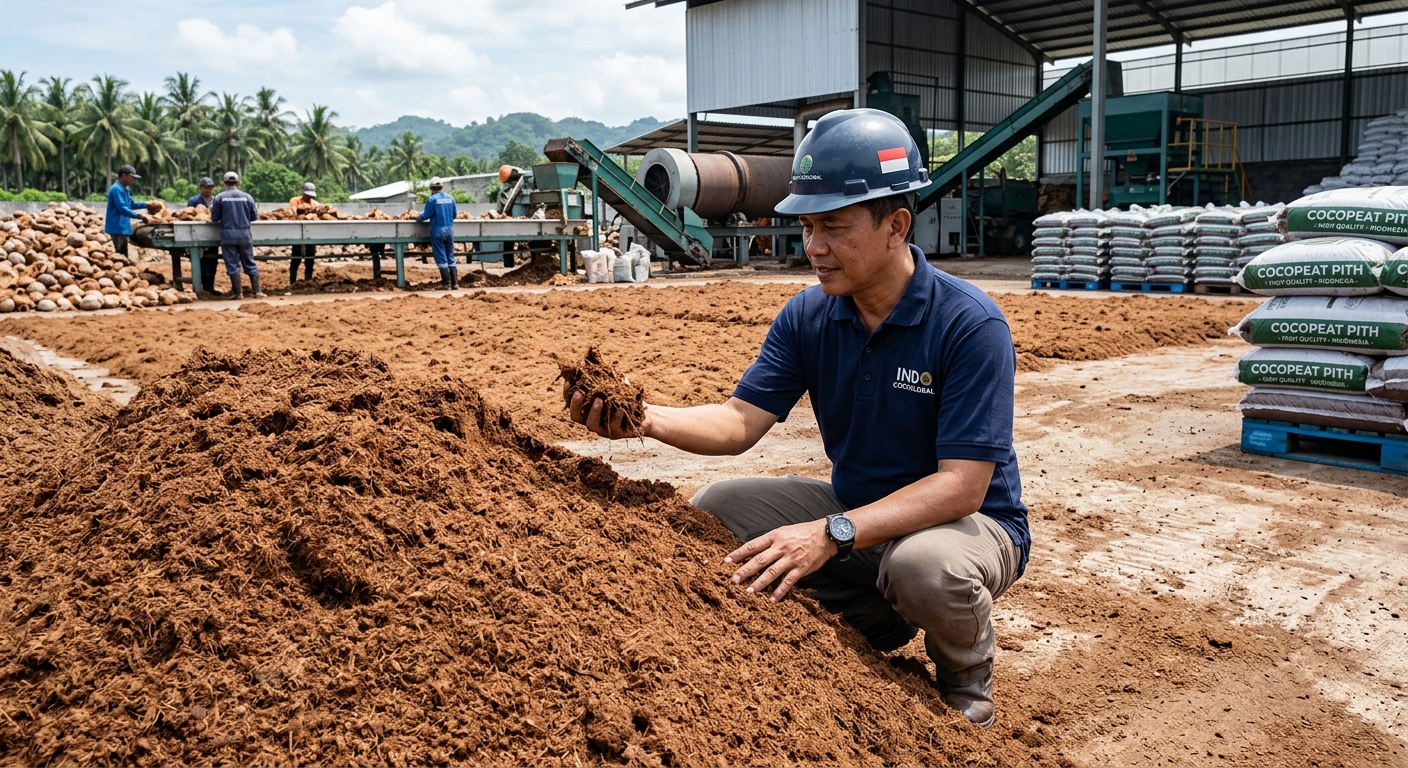
Introduction to Indonesian Cocopeat Pith
In recent years, the global agricultural sector has seen a massive shift toward sustainable and eco-friendly growing media. Among the top contenders is cocopeat pith, a byproduct of the coconut coir industry. As one of the world’s largest coconut producers, Indonesia has naturally positioned itself as a leading supplier of premium cocopeat pith. This versatile material is highly prized by horticulturists, greenhouse growers, and hydroponic farmers for its exceptional water retention, excellent aeration properties, and natural resistance to diseases.
Sourcing cocopeat pith from an Indonesia supplier offers numerous advantages, from competitive pricing to high-volume availability. However, navigating the international trade landscape requires a deep understanding of export regulations, product specifications, and supplier capabilities. In this comprehensive guide, we will explore the nuances of the Indonesian cocopeat market, the benefits of using cocopeat pith, and crucial considerations for international buyers looking to import this valuable organic growing medium.
Why Choose Indonesia as Your Cocopeat Pith Supplier?
Indonesia’s tropical climate provides the ideal conditions for year-round coconut cultivation. This geographical advantage ensures a steady and abundant supply of coconut husks, the raw material used to produce cocopeat pith. Beyond sheer volume, Indonesian suppliers have invested heavily in modern processing facilities to ensure their products meet strict international quality standards.
When you partner with an established Indonesia supplier of cocopeat pith, you benefit from their expertise in washing, buffering, and drying the material to achieve the optimal electrical conductivity (EC) and pH levels required for various crops. Furthermore, the country’s strategic location and developed port infrastructure make it highly efficient for global shipping. To better understand the logistics of importing these materials on a large scale, buyers should review this Comprehensive Guide to Organic Growing Media Bulk Import: Navigating International Sourcing.
The Manufacturing Process of Cocopeat Pith
Understanding how cocopeat pith is manufactured can help buyers assess the quality of the product they are purchasing. The process begins with the collection of mature coconut husks, which are then soaked in water to soften the fibers—a process known as retting. After retting, the husks are mechanically decorticated to separate the long coir fibers from the spongy pith material.
The extracted pith is then washed thoroughly to remove natural salts and impurities. For premium agricultural applications, the pith may undergo a buffering process using calcium nitrate to displace sodium and potassium ions, ensuring the growing medium does not lock up essential nutrients. Finally, the cocopeat is sun-dried or machine-dried to a specific moisture content before being compressed into blocks, briquettes, or grow bags for efficient shipping.
Navigating Export Regulations and HS Codes
Importing cocopeat pith from Indonesia requires strict adherence to international trade regulations and customs protocols. One of the most critical aspects of the import/export process is accurately classifying the product using the Harmonized System (HS) code. Proper classification ensures that you pay the correct tariffs and avoid costly delays at customs. For detailed information on this topic, we recommend reading Understanding the HS Code for Cocopeat Export: A Comprehensive Guide.
Additionally, buyers importing into specific regions must be aware of bilateral or multilateral trade agreements that could impact tariffs and import requirements. For instance, the ongoing trade negotiations between Indonesia and the European Union have significant implications for agricultural exports. To stay informed on how these agreements might affect your sourcing strategy, review the IEU-CEPA Impact on Indonesia Trade: A Comprehensive Analysis and consult the Comprehensive Guide to Indonesia European Union Trade Regulations.
Comparing Cocopeat Pith Grades
Indonesian suppliers typically offer different grades of cocopeat pith tailored to specific agricultural and horticultural applications. The primary differences lie in the washing process and the resulting Electrical Conductivity (EC) levels. Below is a comparison of the two main grades available on the market.
| Cocopeat Grade | Electrical Conductivity (EC) | Primary Application | Washing Process |
|---|---|---|---|
| Low EC (Washed) | < 0.5 mS/cm | Seed germination, hydroponics, sensitive plants | Freshwater washed |
| High EC (Unwashed) | > 1.0 mS/cm | Animal bedding, oil spill absorption | Unwashed or minimally washed |
Key Benefits of Using Cocopeat Pith
Cocopeat pith has revolutionized the way we grow plants, offering a sustainable alternative to peat moss. Its unique cellular structure allows it to hold up to ten times its weight in water, ensuring that plant roots have a consistent moisture supply while preventing waterlogging due to its excellent drainage capabilities. Additionally, cocopeat provides optimal aeration, promoting robust root development.
Another significant benefit is its environmental sustainability. While peat moss extraction contributes to the depletion of natural bogs and releases stored carbon, cocopeat is a renewable byproduct that would otherwise be discarded. By utilizing cocopeat pith, growers are actively participating in a circular economy, reducing agricultural waste while enhancing crop yields.
How to Choose the Right Indonesia Supplier
Selecting the right Indonesia supplier of cocopeat pith is a critical decision that will directly impact the success of your agricultural operations. When evaluating potential partners, consider their production capacity, quality control measures, and export experience. A reliable supplier should be able to provide consistent quality, verified by independent laboratory testing for EC, pH, and moisture content.
Furthermore, look for suppliers who practice sustainable sourcing and maintain transparent communication regarding lead times and shipping logistics. Requesting samples before placing a bulk order is always a prudent step to ensure the material meets your specific requirements.
Conclusion
Sourcing cocopeat pith from an Indonesia supplier presents a wealth of opportunities for global agricultural businesses. With its abundant supply of high-quality raw materials, advanced processing capabilities, and strategic export position, Indonesia stands out as a premier destination for this essential growing medium. By understanding the manufacturing process, navigating international trade regulations, and carefully selecting a reputable supplier, buyers can secure a reliable source of premium cocopeat pith to support sustainable and highly productive farming operations.
Frequently Asked Questions
What is cocopeat pith used for?
Cocopeat pith is primarily used as an organic growing medium in horticulture, greenhouse farming, and hydroponics. It is valued for its excellent water retention, aeration, and natural resistance to pests and diseases.
Why is Electrical Conductivity (EC) important in cocopeat?
Electrical Conductivity (EC) indicates the level of soluble salts in the cocopeat. A low EC (washed) cocopeat is essential for sensitive plants and seed germination to prevent nutrient lockout and root burn.
How is cocopeat pith shipped internationally?
To optimize shipping costs, cocopeat pith is typically dried and compressed into 5kg blocks, briquettes, or grow bags. Once it reaches the destination, it can be rehydrated to expand to its original volume.
Is cocopeat environmentally friendly?
Yes, cocopeat is highly environmentally friendly. It is a renewable byproduct of the coconut industry, making it a sustainable alternative to peat moss, the extraction of which depletes natural bogs.