

When looking for high-quality, sustainable growing media, businesses worldwide turn to a reliable cocopeat supplier in Indonesia for wholesale orders. Indonesia, with its vast coconut plantations and tropical climate, is one of the world’s leading producers of cocopeat. This natural byproduct of the coconut industry has transformed modern agriculture, hydroponics, and horticulture. In this comprehensive guide, we will explore everything you need to know about sourcing cocopeat from Indonesia, the benefits of the product, and how to seamlessly navigate the import process.
The Rise of Cocopeat in Global Agriculture
Cocopeat, also known as coir pith, coir fibre pith, or simply coir dust, is made from the husk of the coconut. Previously discarded as waste, this spongy material is now highly valued for its exceptional water-holding capacity, excellent drainage, and optimal aeration. As global agriculture shifts toward more sustainable and eco-friendly practices, cocopeat has emerged as a premier alternative to peat moss, which is harvested from sensitive peat bogs.
Finding a trustworthy export partner in Indonesia ensures that you receive premium-grade cocopeat that has been properly washed, buffered, and dried to meet international standards. The Indonesian cocopeat industry has matured significantly, offering various grades and formulations tailored to different agricultural needs.
Key Benefits of Using Cocopeat
- High Water Retention: Cocopeat can hold up to ten times its weight in water, ensuring plant roots remain hydrated for longer periods.
- Excellent Aeration: Despite its moisture retention, it maintains a porous structure that promotes healthy root growth and prevents rot.
- Eco-Friendly and Renewable: Sourced from coconut husks, an abundant agricultural byproduct, it is a 100% renewable resource.
- Neutral pH: High-quality washed cocopeat typically has a pH between 5.5 and 6.8, which is ideal for most plants.
- Disease Resistance: Naturally resistant to bacterial and fungal growth, it provides a clean starting environment for seeds and cuttings.
Why Choose Indonesia for Wholesale Cocopeat?
Indonesia’s geographical location and climate make it a powerhouse for coconut production. The country produces millions of tonnes of coconuts annually, providing a massive, sustainable supply of raw material for cocopeat production. Working with a cocopeat supplier in Indonesia for wholesale allows international buyers to tap into this abundant resource at competitive prices.
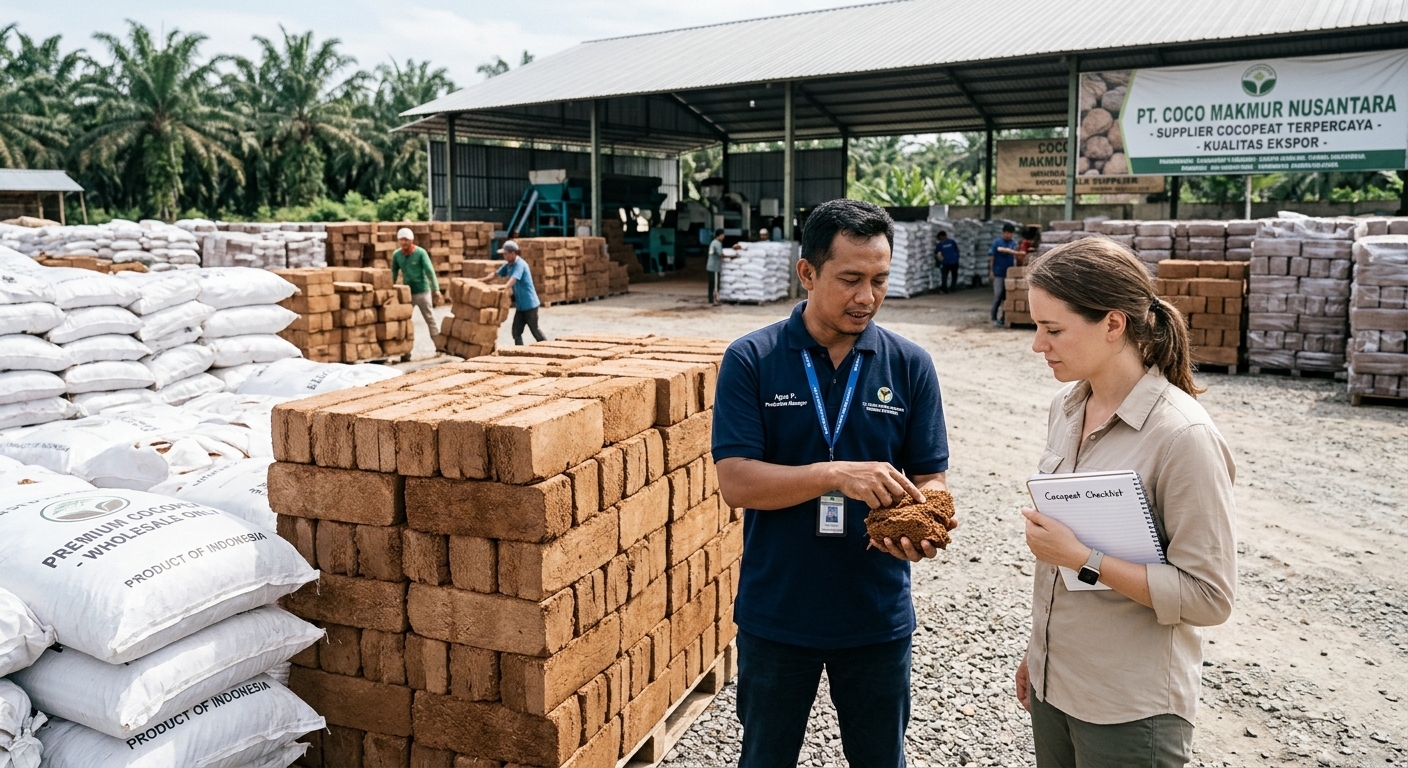
Indonesian suppliers have invested heavily in modern processing facilities. This means the cocopeat is carefully aged, washed to remove excess salts (low EC), and sun-dried or mechanically dried to the proper moisture content before being compressed into blocks, briquettes, or grow bags. If you are exploring the wider region for agricultural products, reading a Comprehensive Guide to Southeast Asia B2B Sourcing for Commodities can provide valuable context on regional trade dynamics.
Types of Cocopeat Products Available
Wholesale suppliers typically offer cocopeat in several formats to suit different logistical and agricultural requirements. The table below compares the three most common formats of exported cocopeat based on their weight, expansion volume, and primary use.
| Product Format | Typical Weight | Expansion Volume (per unit) | Primary Application |
|---|---|---|---|
| 5kg Blocks | 5 kg | 70 – 75 Liters | Commercial greenhouses, potting soil mixing |
| 650g Briquettes | 650 g | 8 – 10 Liters | Retail garden centers, home gardening |
| Grow Bags | 2 – 3 kg | 15 – 20 Liters | Hydroponics (tomatoes, cucumbers, berries) |
Navigating the Import Process
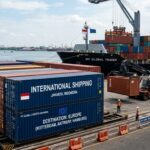
Importing cocopeat in bulk requires an understanding of international trade regulations, logistics, and customs procedures. The compressed nature of cocopeat makes it highly efficient to ship via sea freight. A standard 40-foot High Cube container can hold approximately 22 to 24 metric tons of 5kg cocopeat blocks.
When bringing goods into your country, it is crucial to understand the paperwork involved, such as the Bill of Lading, Commercial Invoice, Packing List, and Phytosanitary Certificate. To ensure a smooth process, we highly recommend reviewing A Complete Guide to Customs Clearance When Importing from Indonesia. This resource outlines the exact steps and documentation required to avoid costly delays at the port.
Quality Control and Specifications
Not all cocopeat is created equal. When engaging a cocopeat supplier in Indonesia for wholesale, you must specify your quality requirements. The most critical metric is Electrical Conductivity (EC), which measures the salt content. High EC cocopeat is unwashed and contains high levels of sodium and potassium, which can harm sensitive plants. Low EC (washed) cocopeat is essential for immediate planting.
Other important specifications include:
- Moisture Content: Should be below 20% to prevent mold during transit and ensure you are not paying for water weight.
- Compression Ratio: Typically 5:1, meaning 5 liters of material is compressed into 1 liter of volume.
- Sand and Impurity Content: Should be kept below 3% to ensure a clean growing medium.
Interestingly, the agricultural byproduct industry in Indonesia is vast and diverse. Many suppliers who process coconut husks also deal in other coconut-derived products. For instance, coconut shells are often turned into high-quality charcoal. If you are interested in diversifying your imports, you might find A Complete Guide to Custom Order Charcoal Briquettes Manufacturers to be a useful read.
Conclusion
Partnering with a reliable cocopeat supplier in Indonesia for wholesale is a strategic move for agricultural businesses, nurseries, and soil blend manufacturers worldwide. Indonesia offers a combination of vast natural resources, modern processing capabilities, and competitive pricing. By understanding the different product formats, specifying the correct quality parameters (like low EC and proper moisture content), and familiarizing yourself with the import process, you can secure a steady supply of this premium, sustainable growing medium. As the world continues to prioritize eco-friendly agricultural practices, Indonesian cocopeat stands out as a vital component for the future of global farming.
Frequently Asked Questions
What is the difference between high EC and low EC cocopeat?
High EC (Electrical Conductivity) cocopeat is unwashed and contains high levels of natural salts, making it unsuitable for most plants without further processing. Low EC cocopeat has been washed with fresh water to remove these salts, making it safe for immediate use in agriculture and hydroponics.
How much cocopeat fits in a standard shipping container?
A standard 40-foot High Cube (HC) container can generally hold between 22 and 24 metric tons of compressed 5kg cocopeat blocks, which equates to roughly 4,400 to 4,800 blocks stacked on pallets or floor-loaded.
Do I need a Phytosanitary Certificate to import cocopeat?
Yes, because cocopeat is a plant-based agricultural product, almost all destination countries require a Phytosanitary Certificate issued by the Indonesian government to prove the shipment is free from pests and diseases.
Can cocopeat be reused?
Yes, one of the advantages of cocopeat is its durability. It degrades very slowly and can be reused for several growing cycles, provided it is properly sterilized and buffered between uses to prevent disease transmission and nutrient imbalance.