

Introduction to Indonesia’s Trade Landscape
Indonesia’s strategic location and abundant natural resources make it a prime hub for international trade. Whether you are looking to export raw materials or import finished goods, understanding the complex web of trade regulations is essential for business success. This guide provides an in-depth look at Indonesia’s export and import regulations, offering valuable insights to help you navigate the legalities, documentation, and procedures required for smooth cross-border transactions.
Key Government Bodies and Legal Framework
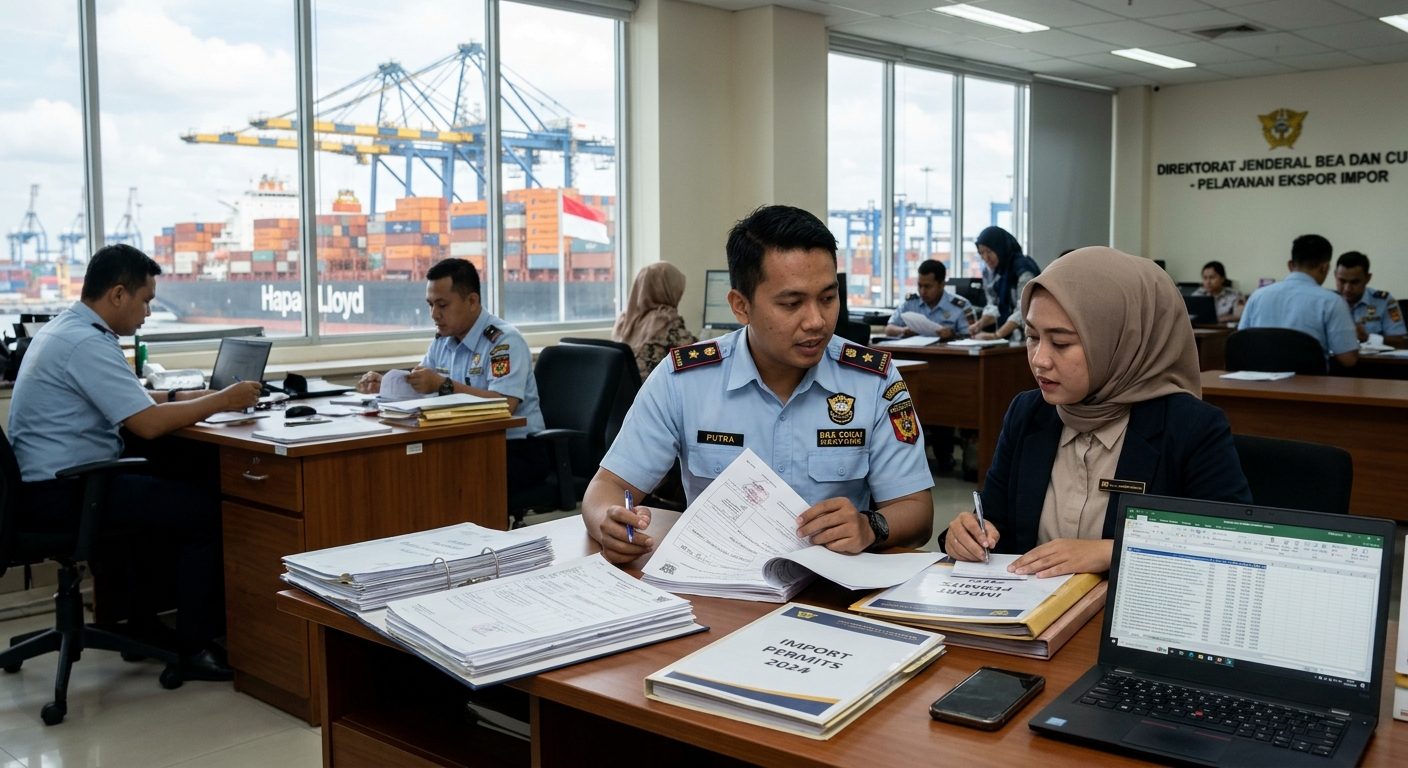
The regulatory framework governing international trade in Indonesia is managed by several key government agencies. The Ministry of Trade (MoT) sets the overall policies, while the Directorate General of Customs and Excise (DGCE) under the Ministry of Finance handles the enforcement at ports and borders. Familiarizing yourself with these institutions is the first step toward compliance.
Recent reforms, such as the implementation of the Online Single Submission (OSS) system, have streamlined the licensing process. This integrated platform allows businesses to apply for the necessary permits digitally, significantly reducing administrative bottlenecks and fostering a more business-friendly environment.
Import Regulations and Licensing in Indonesia
Business Identification Number (NIB)
Before importing any goods into Indonesia, a company must obtain a Business Identification Number, known as Nomor Induk Berusaha (NIB). The NIB serves as the basic import license and company registration number. It has replaced several older licenses, making the initial setup phase much simpler for foreign and domestic investors alike.
Import Restrictions and Quotas
While the NIB grants basic importing rights, certain product categories are subject to specific import restrictions. The government imposes quotas and additional licensing requirements on items such as electronics, textiles, iron, steel, and certain food products. Businesses must check the Indonesian Harmonized System (HS) code for their specific goods to determine if additional approvals from relevant ministries are required.
Understanding tariff structures is also crucial. For those dealing with cross-border trade to the West, reviewing resources like A Complete Guide to Import Duties from Indonesia to North America can provide essential insights into calculating costs and maintaining profitability.
Export Regulations and Procedures
General Export Requirements
Exporting from Indonesia is generally less restricted than importing, as the government actively encourages the export of manufactured goods and value-added products. However, exporters still need a valid NIB. Goods are categorized into three types: goods free to export, goods restricted for export, and goods prohibited from export.
Restricted and Prohibited Exports
To protect domestic industries and preserve natural resources, Indonesia restricts or prohibits the export of certain raw materials. For example, raw mineral ores often require processing or smelting before they can be legally exported. Agricultural products and forestry goods may also face specific export taxes or require a Surveyor Report (Laporan Surveyor) to verify quantity and quality before shipment.
When looking for specific products, working with established suppliers who understand these regulations is vital. For instance, if you are sourcing fuel products, finding a reliable partner like a Premium BBQ Charcoal Supplier from Indonesia: A Sourcing Guide ensures compliance and quality control.
Customs Clearance and Documentation
Essential Shipping Documents
Smooth customs clearance hinges on accurate and complete documentation. Whether exporting or importing, the standard required documents include:
- Commercial Invoice: Detailing the transaction value, parties involved, and goods description.
- Packing List: Specifying the contents, weight, and dimensions of each package.
- Bill of Lading (B/L) or Airway Bill (AWB): The official transport document.
- Certificate of Origin (CoO): Required to claim preferential tariff rates under Free Trade Agreements (FTAs).
- Insurance Certificate: For goods shipped under CIF terms.
Mishandling documentation can lead to costly delays at the port, demurrages, or even seizure of goods by customs authorities.
Special Considerations: Packaging and Compliance
Packaging plays a critical role in international trade, not only for protecting goods but also for meeting customs and market standards. Indonesian regulations require specific labeling, particularly for food, pharmaceuticals, and consumer goods. The labels must often be in the Indonesian language (Bahasa Indonesia) and include details such as ingredients, expiration dates, and halal certification where applicable.
For specialized goods, custom packaging solutions are often necessary to meet international shipping standards. Exploring a resource like Custom Packaging Charcoal Briquettes Export: A Complete Guide provides practical advice on preparing products for the global market safely and compliantly.
Comparing Common Export Terms
Understanding the different export mechanisms is crucial for businesses. Below is a comparison of two common export methods utilized in Indonesia.
| Export Method | Customs Control | Duty Status | Primary Use Case |
|---|---|---|---|
| Direct Export | Standard processing | Subject to standard export taxes | General manufactured goods and commodities |
| Bonded Zone Export | Strict supervision | Duty exemption on imported raw materials | Manufacturing for 100% export purposes |
Leveraging Professional Trade Services
Given the complexities of Indonesia’s trade laws, many companies opt to work with local experts, freight forwarders, and customs brokers. These professionals possess the localized knowledge required to expedite clearance and ensure full compliance with the latest regulations. For businesses looking for comprehensive export solutions, partnering with experts at Indonesian export services can bridge the gap between complex legal requirements and successful market entry.
Conclusion
Successfully navigating the Indonesia export and import regulations requires due diligence, accurate documentation, and a thorough understanding of the local legal framework. By leveraging the OSS system for licensing, staying updated on restricted goods lists, and partnering with experienced local professionals, international businesses can capitalize on the vast opportunities within the Indonesian market. Staying compliant not only mitigates risks and costly delays but also builds a foundation for long-term, profitable international trade.
Frequently Asked Questions (FAQ)
What is a NIB and why is it important?
The Business Identification Number (NIB) is a unique registration number issued via the Online Single Submission (OSS) system. It serves as a company’s basic import and export license, customs identification, and overall business registration in Indonesia.
Are there taxes on exports from Indonesia?
While most manufactured goods are exempt from export duties to encourage international trade, certain raw materials and commodities (such as palm oil, minerals, and specific forestry products) are subject to export taxes to prioritize domestic processing.
How do Free Trade Agreements (FTAs) affect importing into Indonesia?
Indonesia is part of several FTAs, particularly through ASEAN. Utilizing these agreements can significantly reduce or eliminate import tariffs, provided the importer submits a valid Certificate of Origin (CoO) proving the goods were manufactured in a participating country.
What happens if I import restricted goods without the proper licenses?
Importing restricted goods without the necessary permits from the relevant ministries will result in customs detaining the shipment. This can lead to heavy fines, demurrage charges, re-exportation of the goods, or in severe cases, confiscation and destruction.