

Introduction to Shisha Charcoal Briquettes in Indonesia
Indonesia has emerged as the premier destination for sourcing high-quality shisha charcoal briquettes. With abundant natural resources, particularly coconut shells, the country produces some of the finest, longest-lasting, and most environmentally friendly charcoal products in the world. For wholesalers, distributors, and shisha lounge owners globally, partnering with Indonesian manufacturers offers a strategic advantage. This article provides an in-depth look into the shisha charcoal briquette wholesale market in Indonesia, exploring production standards, sourcing strategies, logistics, and trade regulations.
Why Choose Indonesian Coconut Charcoal for Shisha?
When it comes to shisha, the quality of the charcoal drastically affects the smoking experience. Unlike quick-light charcoals that often contain chemical accelerants, natural coconut shell briquettes from Indonesia are 100% natural. They offer several distinct advantages:
- High Heat Output: Coconut charcoal burns hotter than traditional wood charcoal.
- Long Burning Time: A single briquette can last upwards of two hours, making it highly cost-effective.
- Low Ash Content: High-quality Indonesian briquettes typically yield less than 2.5% ash, keeping the shisha flavor pure.
- Odorless and Tasteless: They do not emit any unwanted smells or flavors, ensuring the integrity of the shisha tobacco.
- Eco-Friendly: Sourced from coconut waste, no trees are felled to produce these briquettes.
The Manufacturing Process
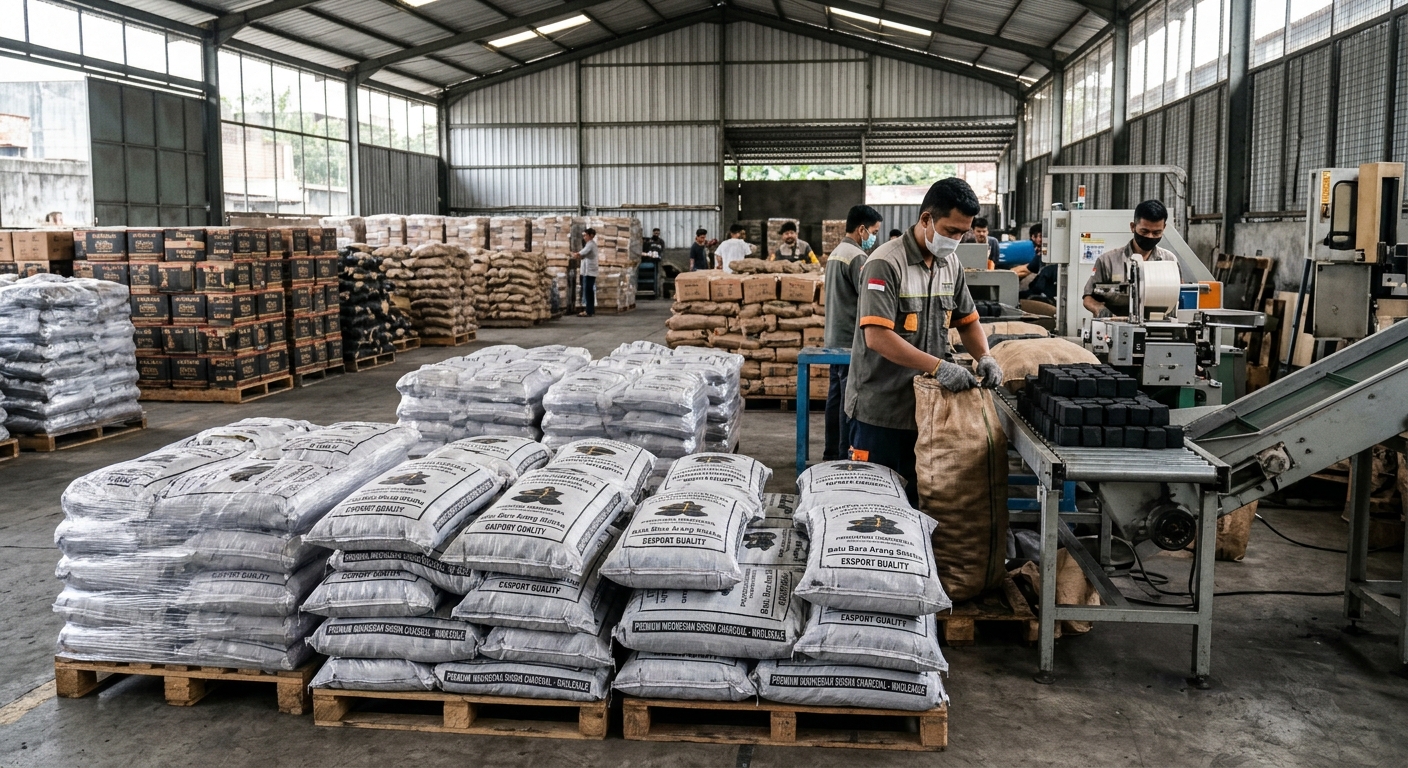
The creation of premium shisha charcoal briquettes is a meticulous process. It begins with the careful selection of fully mature coconut shells. These shells undergo a carbonization process, turning them into raw charcoal. The raw charcoal is then crushed into a fine powder, mixed with a natural binder (usually tapioca starch), and pressed into specific shapes—most commonly cubes, flats, or hexagons.
After shaping, the briquettes are dried in specialized industrial ovens to reduce moisture content to below 5%. This precise drying process is crucial for preventing the briquettes from cracking during use and ensuring a quick, consistent burn.
To help you understand the variations in product specifications, the table below compares two standard grades of Indonesian shisha charcoal.
| Charcoal Grade | Ash Content (%) | Burn Time (Minutes) | Moisture Content (%) |
|---|---|---|---|
| Premium Grade | 1.5 – 2.0 | 120 – 150 | Max 4.0 |
| Standard Grade | 2.5 – 3.0 | 90 – 120 | Max 5.0 |
Sourcing and White Labeling
Many international buyers choose to build their own brands using Indonesian charcoal. White labeling is highly prevalent, allowing buyers to customize the shape, size, and packaging of the briquettes to suit their local markets. If you are interested in establishing your own brand, we highly recommend reading The Ultimate Guide to Indonesia White Label Coconut Charcoal for comprehensive insights into packaging design, quality control, and supplier negotiation.
Understanding Trade Regulations and Import Duties
Importing charcoal briquettes involves navigating various trade regulations. Charcoal is classified as a hazardous material (Class 4.2 under the IMDG Code) due to its self-heating properties. Therefore, strict adherence to shipping regulations, including obtaining a Self-Heating Test certificate and Material Safety Data Sheet (MSDS), is mandatory.
Before you begin the export process from Indonesia, it is crucial to familiarize yourself with local laws. You can find detailed information by consulting the Comprehensive Guide to Indonesia Trade Regulations for Exporters. This resource covers licensing, documentation, and compliance requirements.
Furthermore, if you are importing into the North American market, understanding the tariff landscape is vital for pricing your products competitively. For a detailed breakdown, review A Complete Guide to Import Duties from Indonesia to North America.
Logistics: Shipping Your Charcoal
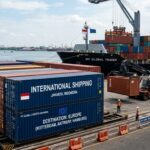
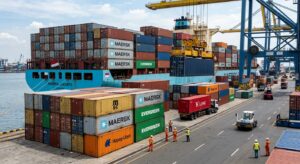
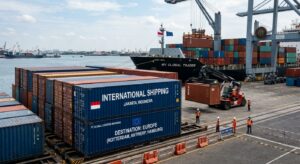
Logistics is a significant component of the wholesale charcoal business. Because charcoal is heavy and bulky, it is almost exclusively shipped via ocean freight. Buyers typically purchase in container loads to maximize freight efficiency. A standard 20ft container can hold approximately 18 to 19 metric tons of charcoal briquettes, depending on the packaging.
Proper planning of your shipment from major ports like Tanjung Priok is essential to avoid delays and unexpected costs. To ensure a smooth logistics process, refer to Shipping a 20ft Container from Jakarta: The Ultimate Professional Guide.
Conclusion
The shisha charcoal briquette wholesale market in Indonesia offers unparalleled opportunities for global buyers seeking premium, natural products. By leveraging the high-quality coconut shell charcoal produced in Indonesia, businesses can provide their customers with a superior smoking experience. Success in this market, however, requires a deep understanding of product specifications, supplier verification, trade regulations, and logistics. By following the best practices outlined in this guide and consulting the provided professional resources, you can establish a profitable and sustainable supply chain from Indonesia to your home market.
Frequently Asked Questions (FAQ)
What is the minimum order quantity (MOQ) for wholesale shisha charcoal from Indonesia?
Most reputable manufacturers in Indonesia require a minimum order quantity of one 20ft container, which equates to roughly 18 metric tons. This is due to the economies of scale in production and the strict shipping regulations for charcoal.
Why is coconut shell charcoal considered better than wood charcoal for shisha?
Coconut shell charcoal is preferred because it burns hotter, lasts longer, produces significantly less ash, and is completely odorless and tasteless, meaning it will not alter the flavor of the shisha tobacco.
Is a special certificate required to ship charcoal internationally?
Yes. Because charcoal is prone to self-heating, it requires an MSDS (Material Safety Data Sheet), a Self-Heating Test (SHT) certificate, and a Vanning Certificate to prove that the goods are safe for ocean transport according to the IMDG Code.
Can I customize the shape and packaging of the charcoal?
Absolutely. The vast majority of Indonesian manufacturers offer OEM or white-label services. You can specify the briquette dimensions (e.g., 25x25x25mm cubes) and have the inner boxes and master cartons printed with your brand’s custom design.