

Introduction to Bulk Cocopeat Block Suppliers in Indonesia
Indonesia is globally recognized for its abundant coconut resources, making it a premier destination for high-quality coconut-derived products. Among these, cocopeat has emerged as a highly sought-after agricultural and horticultural material. As global demand for sustainable growing media increases, finding reliable bulk cocopeat block suppliers in Indonesia has become crucial for commercial growers, hydroponic farms, and distributors worldwide.
Cocopeat, also known as coir pith or coir dust, is a versatile and eco-friendly byproduct of the coconut husk processing industry. By compressing this material into manageable blocks, suppliers reduce shipping costs and ensure the product remains viable for long-term storage. In this comprehensive guide, we will explore the landscape of Indonesian cocopeat suppliers, the benefits of using cocopeat blocks, and how to select the right exporter for your business needs.
The Rise of Indonesia as a Cocopeat Export Hub
Indonesia’s tropical climate provides the perfect environment for coconut cultivation. The nation boasts vast coastlines lined with coconut plantations, resulting in an enormous supply of raw materials. Traditionally, coconut husks were discarded or burned, but modern agricultural practices have transformed this waste into a valuable commodity.
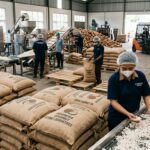
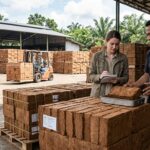
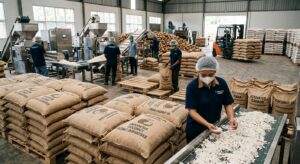
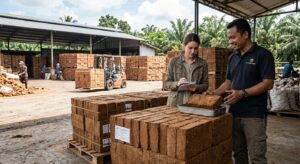
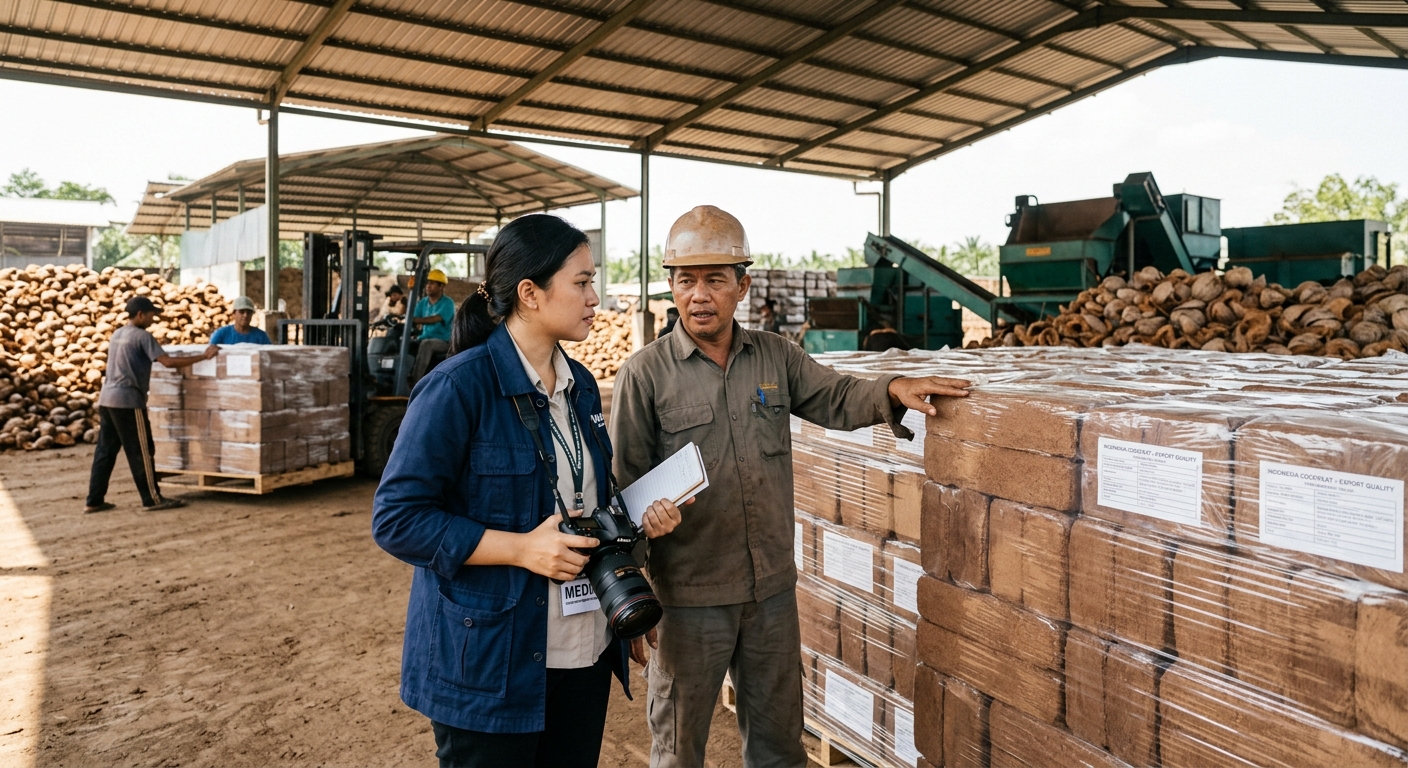
Today, Indonesian manufacturers utilize advanced processing techniques to wash, dry, and compress cocopeat into blocks, typically weighing around 5 kilograms. These blocks are easy to handle and expand significantly when hydrated, providing an excellent growing medium. For buyers interested in broader sustainable coconut products, reading a Comprehensive Guide to Coconut Charcoal Briquettes Manufacturers in Indonesia can offer valuable insights into the country’s manufacturing capabilities.
Why Choose Cocopeat Blocks?
Superior Water Retention
One of the primary reasons growers prefer cocopeat is its extraordinary water-holding capacity. A standard cocopeat block can absorb up to eight times its weight in water, ensuring that plant roots have a steady supply of moisture between watering cycles. This characteristic is particularly beneficial in arid climates or greenhouse environments where precise water management is critical.
Excellent Aeration and Drainage
Despite its high water retention, cocopeat maintains a porous structure that promotes optimal root aeration. It prevents waterlogging, reducing the risk of root rot and fungal diseases. This balance of moisture retention and drainage makes it an ideal medium for seed propagation, potting mixes, and hydroponic systems.
Eco-Friendly and Sustainable
As a 100% natural and renewable resource, cocopeat is an environmentally friendly alternative to peat moss. Peat moss extraction contributes to the degradation of peat bogs, which are vital carbon sinks. By utilizing cocopeat, growers support sustainable agricultural practices. If you are deeply committed to organic farming, you might want to review The Ultimate Guide to Finding an Organic Cocopeat Growing Media Exporter to ensure your supply chain meets strict environmental standards.
Key Factors to Consider When Selecting Bulk Cocopeat Block Suppliers in Indonesia
Sourcing bulk cocopeat from overseas requires careful consideration to ensure you receive a product that meets your specifications. Here are the critical factors to evaluate when choosing an Indonesian supplier.
Electrical Conductivity (EC) Levels
Raw coconut husks contain high levels of naturally occurring salts, such as sodium and potassium. For most horticultural applications, these salts must be washed out to achieve a Low EC cocopeat (typically less than 0.5 mS/cm). High EC cocopeat is generally used as animal bedding. Always verify the EC levels with your supplier before making a bulk purchase.
Moisture Content and Expansion Ratio
Quality cocopeat blocks should have a moisture content of around 15% to 20%. If the blocks are too wet, they can develop mold during transit; if they are too dry, they may crumble. Additionally, a standard 5kg block should expand to yield between 70 to 75 liters of usable cocopeat when hydrated.
Sieving and Fiber Content
Depending on your application, the ratio of fine dust to short fibers matters. Fine cocopeat holds more water, while a higher fiber content improves drainage. Reliable bulk cocopeat block suppliers in Indonesia will offer customized sieving options (e.g., 6mm or 8mm mesh) to cater to different crop requirements.
Understanding the Export and Shipping Process
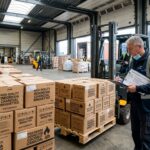
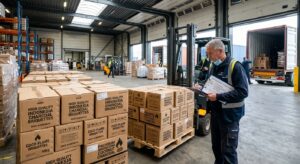
Importing bulk agricultural materials involves logistical planning. Indonesian suppliers typically ship cocopeat blocks in 20-foot or 40-foot High Cube (HC) containers. A 40-foot HC container can hold approximately 20 to 24 metric tons of palletized cocopeat blocks.
It is essential to work with suppliers who have experience in international trade and can provide the necessary documentation, including Phytosanitary Certificates, Fumigation Certificates, and Certificates of Origin. Just as you would research heavily when sourcing other bulk materials, such as consulting A Complete Guide to Choosing a Bulk Coconut Charcoal Supplier in Indonesia, taking the time to vet the export readiness of a cocopeat supplier is paramount.
Evaluating Supplier Reliability and Certifications
To establish a successful long-term partnership, conduct thorough due diligence on potential bulk cocopeat block suppliers in Indonesia. Look for manufacturers with recognized quality management certifications, such as ISO 9001. Requesting samples before placing a full container order is standard industry practice and allows you to test the EC, pH, and expansion rate firsthand.
Furthermore, consider the supplier’s production capacity. Ensuring they can consistently meet your volume requirements during peak planting seasons is vital for your supply chain stability.
Conclusion
Sourcing from bulk cocopeat block suppliers in Indonesia offers businesses access to premium, sustainable growing media at competitive prices. By understanding the critical quality metrics—such as EC levels, moisture content, and expansion ratios—and partnering with reputable, export-ready manufacturers, you can secure a reliable supply of high-grade cocopeat. Whether you are operating a large-scale hydroponic farm or a retail garden center, Indonesian cocopeat blocks represent a smart, eco-friendly investment in modern agriculture.
Frequently Asked Questions (FAQ)
What is the difference between High EC and Low EC cocopeat blocks?
Low EC (Electrical Conductivity) cocopeat has been thoroughly washed to remove natural salts, making it safe for plant cultivation. High EC cocopeat is unwashed and retains these salts, making it unsuitable for sensitive plants but ideal for use as animal bedding or in soil remediation.
How much does a standard 5kg cocopeat block expand?
When properly hydrated, a high-quality 5kg cocopeat block from a reputable Indonesian supplier will typically expand to produce between 70 to 75 liters of usable growing medium, depending on the compression ratio and fiber content.
Are phytosanitary certificates required when importing cocopeat from Indonesia?
Yes, most importing countries require a Phytosanitary Certificate to ensure the cocopeat is free from pests, diseases, and weed seeds. Reliable bulk cocopeat block suppliers in Indonesia will provide this certificate along with other necessary shipping documents.
Can I request customized fiber ratios in my bulk order?
Absolutely. Most professional Indonesian manufacturers allow buyers to specify the ratio of fine coir pith to short fibers to suit specific crop requirements, ensuring optimal water retention and drainage for your specific application.